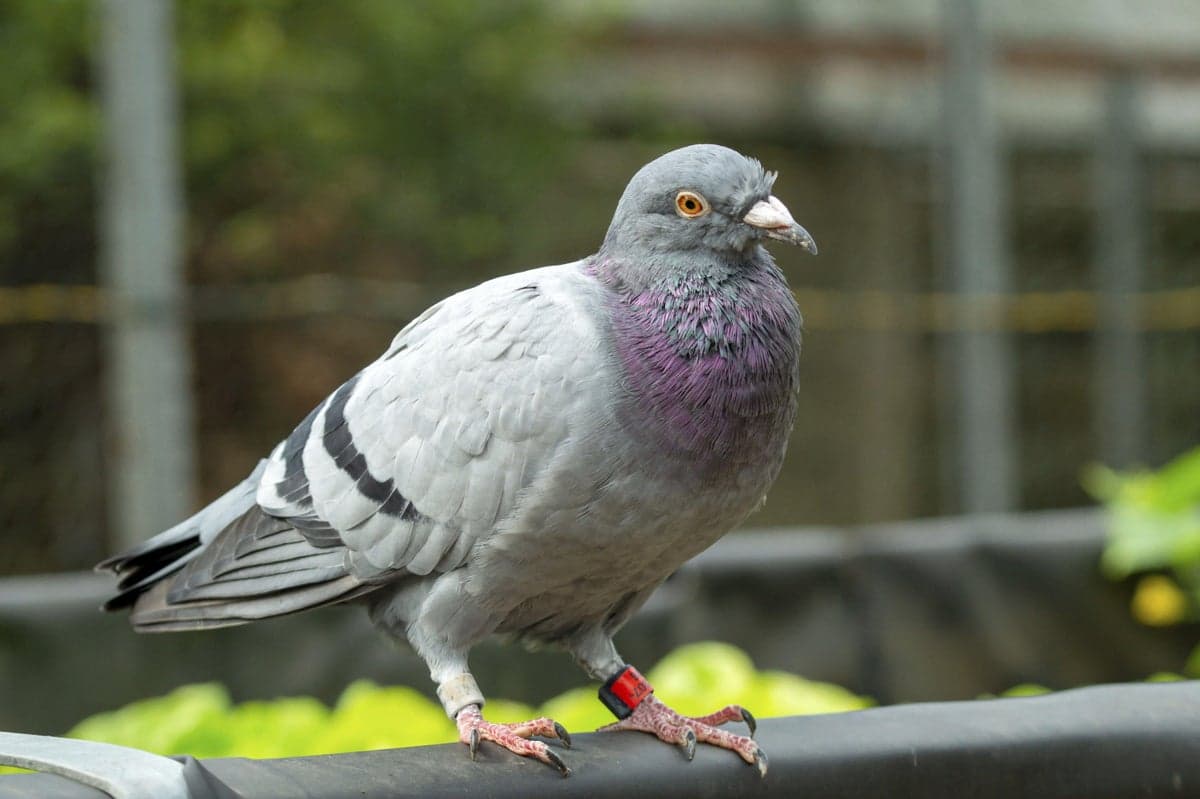
A New Study Says Homing Pigeon Livers Act Like Compasses. Other Experts Aren’t so Sure
Why It Matters
If validated, a liver‑based magnetic sense could reshape our understanding of animal navigation and inspire new bio‑inspired sensing technologies; the controversy underscores the need for robust evidence before overturning established magnetoreception models.
Key Takeaways
- •Study links liver macrophages with pigeon homing loss after drug removal
- •Magnetic iron in macrophages is superparamagnetic, but sensitivity is disputed
- •Earlier work showed beak neurons are iron‑laden macrophages, not true compasses
- •Critics say evidence is correlational, lacking a clear neural transmission pathway
Pulse Analysis
The mystery of animal magnetoreception has lingered for decades, prompting researchers to hunt for a biological compass hidden in beaks, eyes, and even the nervous system. Early hypotheses ranged from magnetite crystals in the beak to quantum‑entangled proteins in the retina, each offering tantalizing clues but falling short of a definitive mechanism. Understanding how birds, especially homing pigeons, decode Earth’s weak magnetic field matters not only for basic biology but also for developing navigation systems that mimic nature’s efficiency.
The new Science paper shifts the focus to the liver, reporting that pigeons harbor dense clusters of iron‑rich macrophages that appear to respond to magnetic fields. By administering a drug that selectively eliminates these cells, the team observed a dramatic loss of homing ability on overcast days, suggesting a functional role for the liver’s immune cells. However, the study leans on superparamagnetism to explain how such iron could detect the planet’s subtle field, a claim many experts find speculative. Critics point out that the iron form identified reacts weakly to geomagnetic forces and that the research offers correlation without demonstrating how the signal reaches the brain.
The debate highlights a broader lesson: extraordinary claims about sensory biology require rigorous, multi‑disciplinary validation. If future work confirms a liver‑based magnetic sensor, it could open avenues for bio‑engineered navigation tools and deepen our grasp of evolutionary adaptations. Until then, the scientific community remains cautious, emphasizing reproducibility, mechanistic clarity, and the integration of visual and olfactory cues that pigeons already use. The ongoing discourse ensures that any breakthrough will be built on solid, reproducible evidence, preserving the credibility of magnetoreception research.
A new study says homing pigeon livers act like compasses. Other experts aren’t so sure
Comments
Want to join the conversation?
Loading comments...