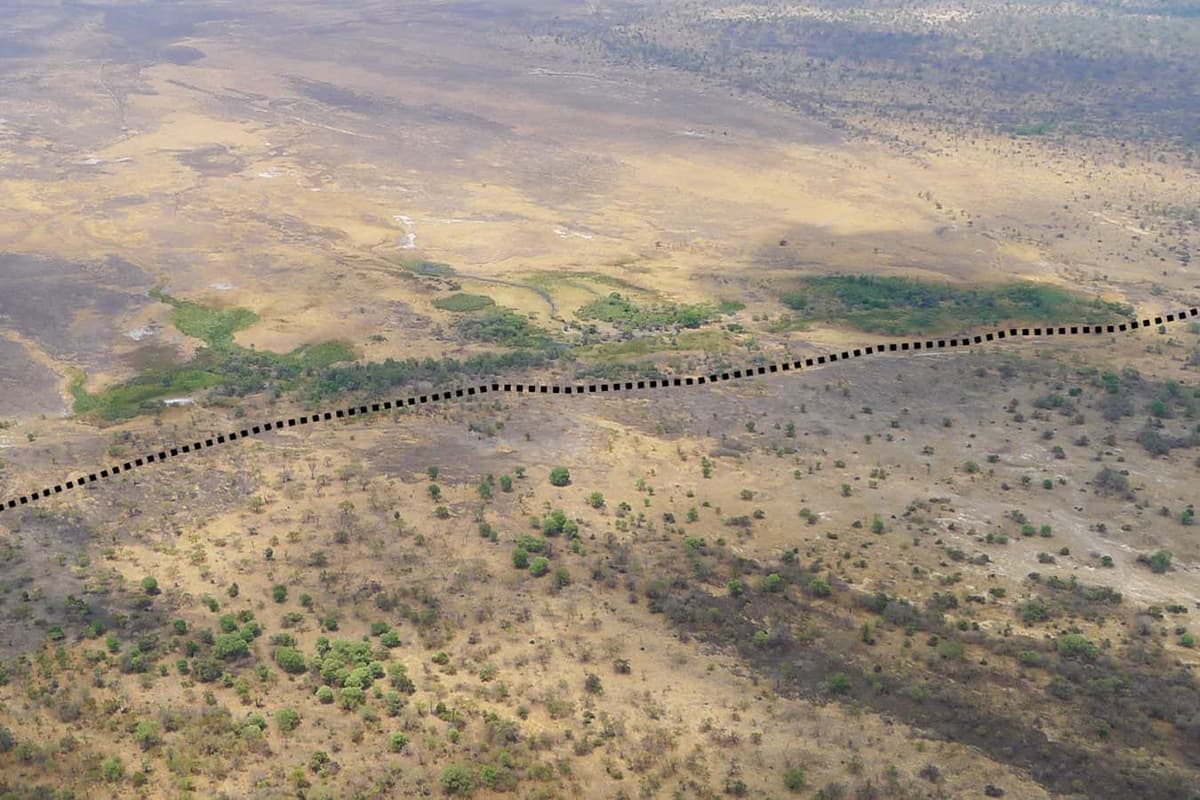
A New Tectonic Plate Boundary Could Be Forming in Southern Africa
Why It Matters
The discovery confirms that a nascent rift is actively channeling mantle resources, reshaping our understanding of African plate dynamics and opening a potential helium supply for high‑tech industries.
Key Takeaways
- •Helium‑3 and carbon isotopes match mantle signatures in Zambian springs
- •Kafue Rift lies within a 2,500‑km rift zone from Tanzania to Namibia
- •Helium concentrations reach 2.3% – viable for commercial capture
- •Early-stage rift could evolve into a new continental plate boundary
Pulse Analysis
The Kafue Rift’s newly documented mantle signatures add a rare data point to the study of continental breakup. While the East African Rift has long been the poster child for active divergence, the Zambian hot springs reveal that rifting can be detected at a much earlier stage through geochemical fingerprints. Helium‑3 and carbon isotope ratios that mirror deep‑Earth compositions suggest that fissures are already allowing mantle fluids to ascend, a phenomenon typically associated with mature rift systems.
Geologists view this development as a potential precursor to a future plate boundary, though the timeline remains speculative. The 2,500‑kilometre rift corridor linking Tanzania to Namibia may gradually segment the African plate, altering regional stress fields and seismic risk. Compared with the well‑documented East African Rift, the Kafue Rift shows lower seismicity and no active volcanism, underscoring that rift initiation can manifest subtly, primarily through thermal anomalies and fluid migration.
Beyond scientific intrigue, the economic implications are significant. Helium‑3 concentrations of up to 2.3 % place the Kafue Rift among the few global locales where helium can be harvested economically, feeding demand from semiconductor manufacturing, MRI technology, and aerospace research. As industries scramble for stable helium supplies, the region could attract investment in extraction infrastructure, positioning Zambia as a strategic player in the emerging helium market while prompting policymakers to balance resource development with geological stewardship.
A new tectonic plate boundary could be forming in southern Africa
Comments
Want to join the conversation?
Loading comments...