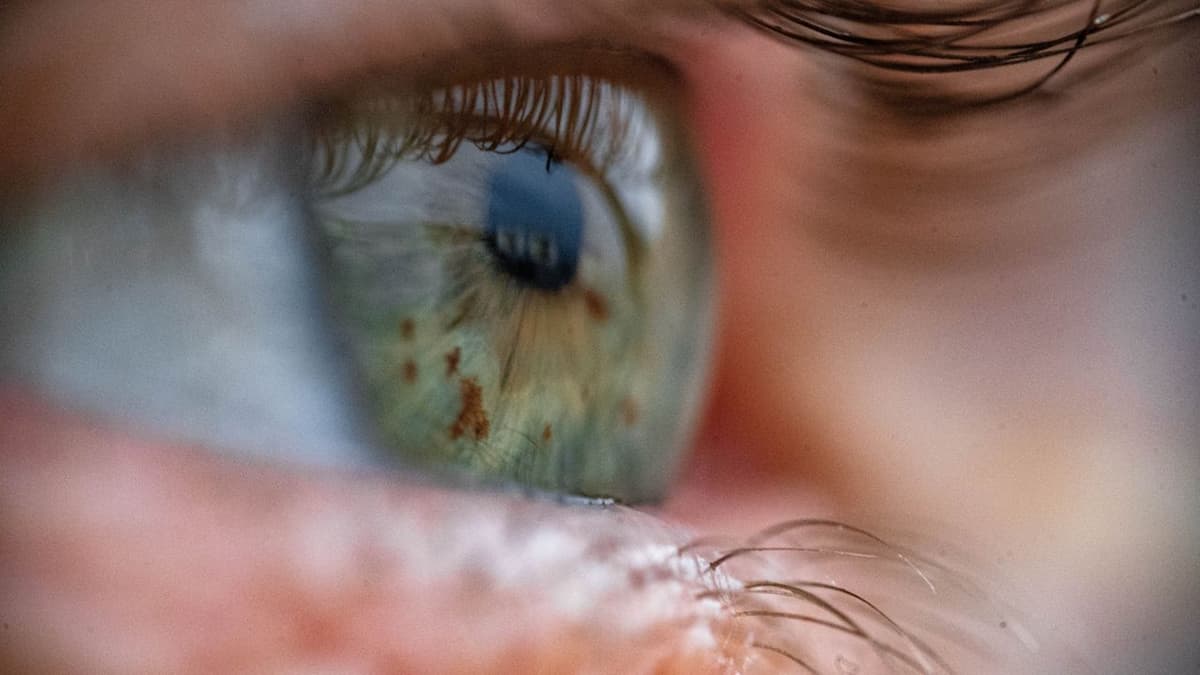
A New Test Could Flag People at Risk for Anemia by Filming Their Eyeballs — No Needles Required

Why It Matters
The technology could enable frequent, painless anemia screening without blood draws, expanding access in underserved settings and reducing reliance on costly lab infrastructure. Its success would signal a shift toward AI‑powered, image‑based diagnostics in routine care.
Key Takeaways
- •AI model predicts hemoglobin from 10‑second eye videos
- •Test identified anemia with 83% accuracy in 224‑person trial
- •White of the eye offers pigment‑independent measurement across skin tones
- •Potential for smartphone‑based screening in low‑resource settings
- •Current limitations include eye conditions and need for precise camera alignment
Pulse Analysis
The new eye‑video test represents a convergence of computer vision and hematology, turning a simple, non‑invasive video into a proxy for blood counts. By recording the bulbar conjunctiva at 50× magnification, the system captures the flow of red cells through superficial vessels. VesselNet, a deep‑learning model trained on paired video snapshots and laboratory hemoglobin values, extracts subtle patterns that correlate with oxygen‑carrying capacity. This workflow sidesteps the need for finger‑prick devices, which can be affected by skin pigmentation, and opens the door to scalable, low‑cost screening tools.
Compared with FDA‑cleared devices like the Pronto‑7, which shines light through the nail bed, the eye‑based method offers a more uniform optical window across diverse populations. The reported 83% detection rate sits within the performance envelope of existing non‑invasive sensors, yet it falls short of the precision required for therapeutic decisions such as transfusion thresholds. Moreover, the technique currently measures only hemoglobin and red‑cell count, omitting white‑cell and platelet data that comprehensive blood panels provide. Operational challenges—such as ensuring steady eye positioning, mitigating blink artifacts, and accounting for ocular conditions—must be addressed before the technology can transition from research labs to clinics.
If subsequent studies confirm its reliability across larger, more varied cohorts, the platform could be integrated into smartphones or portable devices, democratizing anemia monitoring in remote or low‑resource environments. Frequent, painless assessments would benefit patients undergoing dialysis, chemotherapy, or chronic disease management, where anemia is a common complication. Ultimately, the eye‑video approach exemplifies how AI‑enhanced imaging can expand point‑of‑care diagnostics, but its clinical impact hinges on overcoming technical hurdles and achieving regulatory clearance.
A new test could flag people at risk for anemia by filming their eyeballs — no needles required
Comments
Want to join the conversation?
Loading comments...