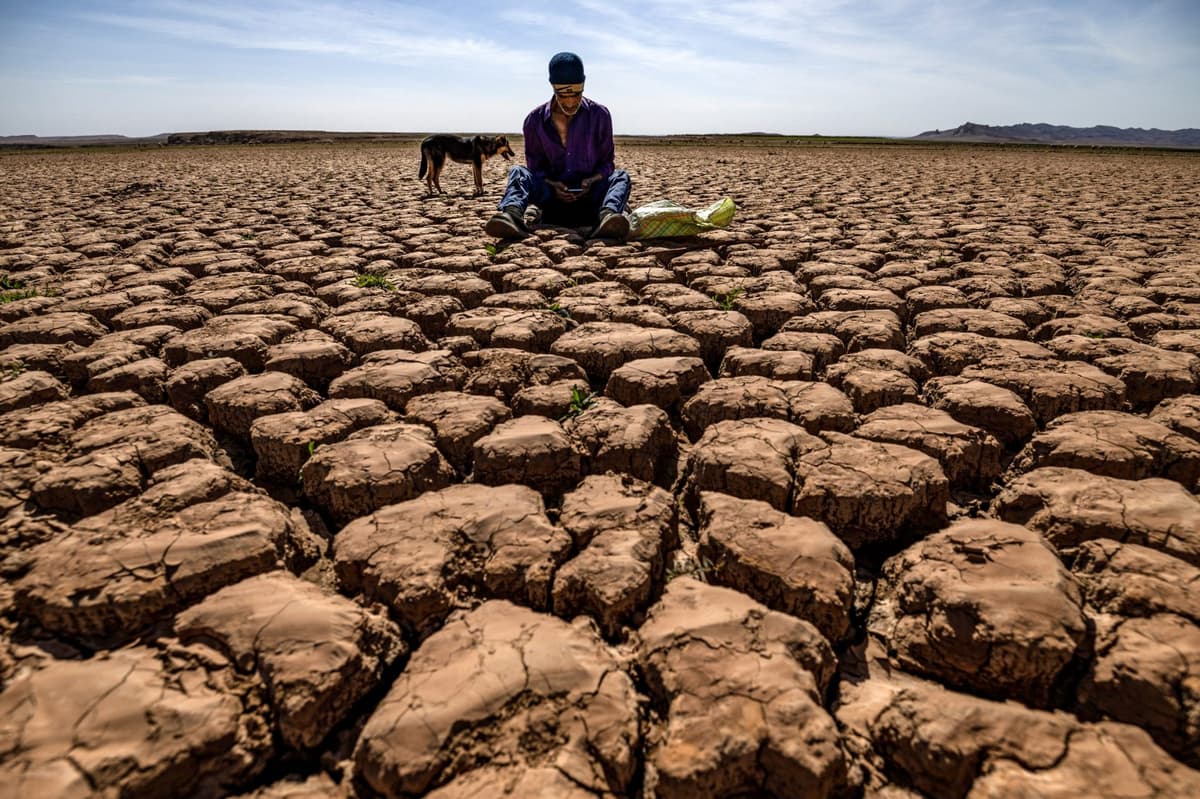
A Rare ‘Super’ El Niño Is Looking More Likely. Here’s What to Expect
Why It Matters
An imminent Super El Niño threatens to amplify global supply‑chain stress, inflating food and energy costs while reshaping weather‑related risk for investors and policymakers.
Key Takeaways
- •El Niño odds hit 82% for July onset.
- •67% chance of a “Super” El Niño by 2027.
- •Potential global crop loss and higher food prices.
- •Atlantic hurricane season may see fewer storms, but higher wind shear.
- •Energy demand could spike as temperatures rise.
Pulse Analysis
The latest ENSO outlook from the U.S. Climate Prediction Center shows an 82 percent likelihood that El Niño will be in place by late July, and a 67 percent chance it will intensify into a so‑called ‘Super’ event through 2027. While “Super” El Niño is not an official meteorological term, it denotes sea‑surface temperatures at least 2 °C above average for several consecutive months. Climate scientists warn that a warmer baseline—driven by anthropogenic climate change—could make such extreme episodes more frequent, magnifying their global reach beyond the Pacific basin.
From a commodities perspective, a Super El Niño can reshape supply dynamics for staple crops and energy resources. Drier, hotter conditions are expected across the U.S. Midwest, Australia and parts of Southeast Asia, jeopardizing wheat, corn and rice harvests and tightening global food inventories. Conversely, regions such as California may see increased rainfall, benefitting nuts and certain fruits, but the net effect is typically a rise in commodity prices. Fisheries also feel the heat; warmer surface waters suppress nutrient upwelling, reducing anchovy catches off Peru and pressuring global fish markets.
Utilities and power grids are the next line of exposure. Elevated temperatures drive higher air‑conditioning demand, straining generation capacity and raising the risk of rolling blackouts, especially in regions reliant on hydroelectric power that may suffer reduced reservoir levels. Meanwhile, the anticipated dip in Atlantic hurricane activity could lower insurance losses for Gulf Coast oil and gas infrastructure, yet the same El Niño pattern typically fuels more intense Pacific typhoons, threatening Asian energy assets. Investors are therefore pricing in broader weather‑related volatility, with futures on agricultural products, natural gas and renewable‑energy equities reflecting the heightened uncertainty.
A rare ‘super’ El Niño is looking more likely. Here’s what to expect
Comments
Want to join the conversation?
Loading comments...