A Review of Dietary Patterns and the Colorectal Polyp-to-Carcinoma Sequence: Polyp Occurrence, Polyp Recurrence, and Colorectal Cancer
Why It Matters
Understanding how whole‑diet patterns influence polyp formation and recurrence can inform primary‑prevention strategies that lower colorectal cancer burden, a leading cause of death worldwide.
Key Takeaways
- •Mediterranean, DASH, and prudent diets lower adenoma and CRC risk by ~15‑30%
- •Ultra‑processed foods and Western patterns raise odds 18‑20% and double adenoma risk
- •Diet‑polyp recurrence data are sparse; Mediterranean adherence cut recurrence ~70%
- •Observational links dominate; randomized trials show mixed outcomes, urging rigorous long‑term studies
Pulse Analysis
Colorectal cancer remains the third most common malignancy and the second leading cause of cancer death, largely because most tumors arise from benign polyps that develop over years. This long latency creates a unique window for prevention, and diet is one of the few modifiable factors that can be addressed at the population level. Recent epidemiologic work has shifted from single‑nutrient analyses to whole‑diet assessments, recognizing that foods interact within complex patterns that shape gut microbiota, inflammation and metabolic pathways critical to polyp initiation.
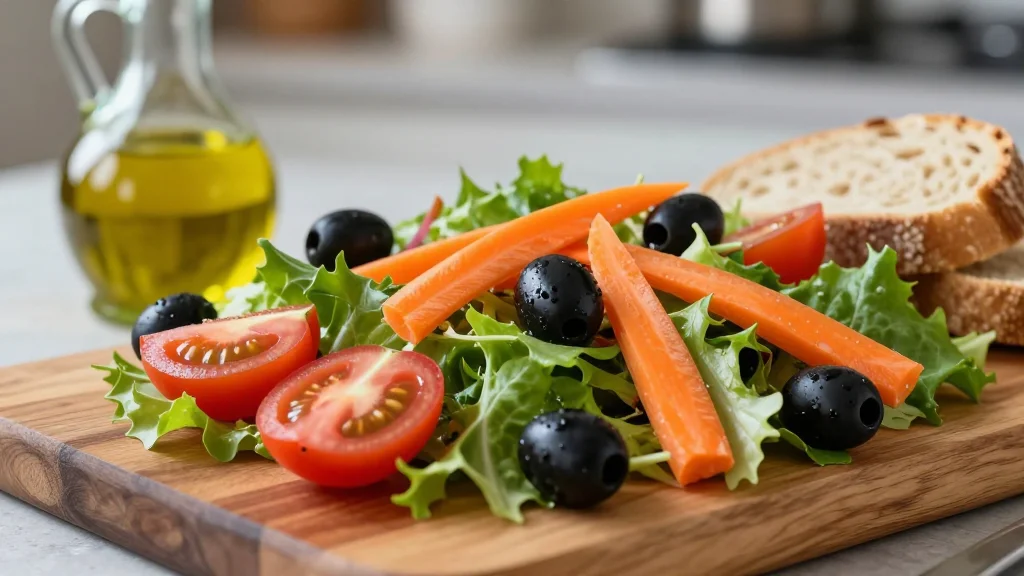
Across dozens of cohort, case‑control and meta‑analysis studies, diets rich in fruits, vegetables, whole grains, legumes, fish and olive oil—embodied by the Mediterranean and DASH scores—consistently show 15‑30% lower odds of both adenomatous and serrated polyps, as well as a modest reduction in colorectal cancer incidence. In contrast, Western dietary patterns high in red and processed meats, refined carbohydrates, saturated fats and ultra‑processed foods increase polyp risk by 18‑20% and can more than double the likelihood of advanced lesions. Mechanistic indices such as the Dietary Inflammatory Index and sulfur‑microbial scores reinforce these findings by linking pro‑inflammatory, high‑sulphur diets to a tumor‑promoting colonic environment.
Despite these clear associations for polyp occurrence, data on recurrence after polypectomy are limited and often contradictory. A handful of European trials suggest that strong adherence to a Mediterranean diet may slash recurrence risk by up to 70%, yet large randomized controlled trials of low‑fat, high‑fiber interventions have shown null effects. The predominance of observational evidence underscores the urgent need for preregistered, long‑duration dietary intervention studies that can establish causality, quantify effect sizes, and guide clinical guidelines. For healthcare providers and policymakers, integrating dietary counseling into colorectal cancer screening programs could amplify the preventive impact of existing surveillance strategies, ultimately reducing the disease’s clinical and economic toll.
A review of dietary patterns and the colorectal polyp-to-carcinoma sequence: polyp occurrence, polyp recurrence, and colorectal cancer
Comments
Want to join the conversation?
Loading comments...