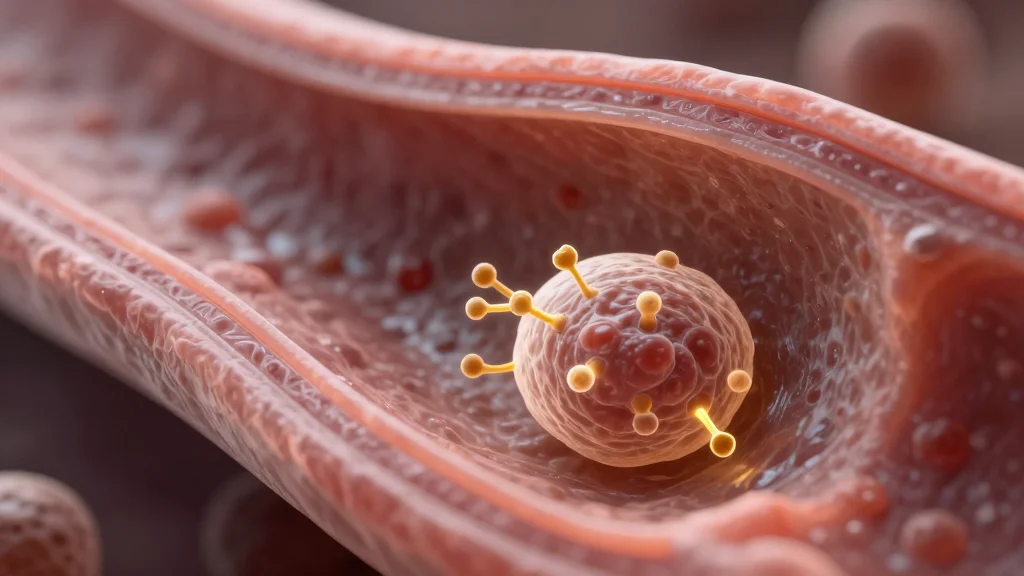
A SEMA7A Feedback Loop in Macrophages Accelerates Atherosclerosis

Key Takeaways
- •Macrophage SEMA7A upregulated in human atherosclerotic cells
- •Deletion reduces lesion size by 57% in mice
- •Integrin β1/JNK/MSR1 axis drives lipid uptake
- •GLPG0187 blocks integrin β1, halting plaque growth
- •Findings open new therapeutic avenues for cardiovascular disease
Pulse Analysis
Atherosclerosis remains the leading cause of mortality worldwide, largely because macrophage dysfunction undermines plaque clearance. Recent bioinformatic mining of GEO datasets revealed that SEMA7A, an immunoregulatory semaphorin, is markedly over‑expressed in macrophages within diseased vessels, alongside its receptor integrin β1. This molecular signature suggests that SEMA7A may act as a switch that converts protective macrophages into pro‑atherogenic agents, a hypothesis now supported by rigorous in‑vivo work.
In mouse models engineered for macrophage‑specific Sema7a loss, researchers observed a striking 57.2% drop in atherosclerotic lesion volume and enhanced plaque stability. Cellular assays traced the effect to an integrin β1‑JNK‑MSR1 signaling axis that accelerates lipid uptake and foam‑cell formation. By amplifying MSR1 expression, SEMA7A effectively fuels the lipid‑laden phenotype that drives plaque growth, linking a single ligand to a cascade of metabolic and inflammatory disturbances.
The translational relevance of these findings is underscored by the efficacy of GLPG0187, a small‑molecule integrin β1 antagonist, which curbed lesion development when administered to disease‑prone mice. This proof‑of‑concept positions the SEMA7A‑integrin β1 pathway as a high‑value target for next‑generation cardiovascular therapeutics. Pharmaceutical firms can leverage existing integrin‑blocking platforms to accelerate clinical testing, while academic labs may explore combinatorial strategies that pair lipid‑lowering agents with immune modulators, potentially reshaping the treatment landscape for atherosclerotic disease.
A SEMA7A Feedback Loop in Macrophages Accelerates Atherosclerosis
Comments
Want to join the conversation?