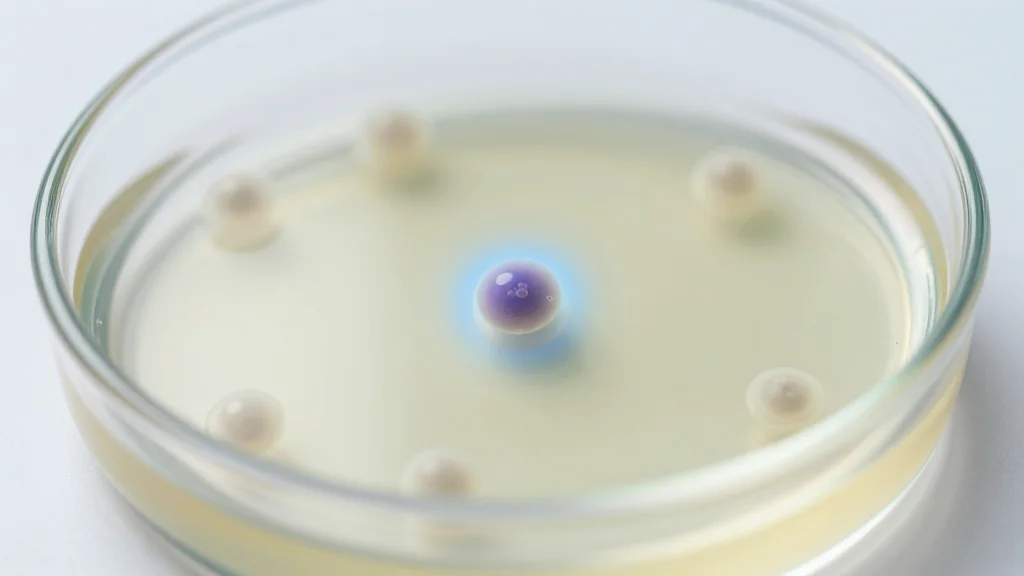
A 'Stemness Checkpoint' Helps Control Stem Cell Identity
Why It Matters
By revealing a shared molecular lever that preserves stem‑cell identity, the study offers a scalable strategy to enhance cell‑based research, drug screening, and therapeutic manufacturing, while also suggesting a novel target for anti‑aging interventions.
Key Takeaways
- •GSK3α identified as universal stemness checkpoint across species
- •Inhibiting GSK3α preserves identity of mouse ESCs and EpiSCs
- •Checkpoint functions in neural, formative and human stem cells
- •Findings could streamline cell‑therapy manufacturing and disease‑modeling
- •Targeting GSK3α may enable new anti‑aging interventions
Pulse Analysis
The concept of a "stemness checkpoint" reshapes our understanding of how pluripotent cells balance self‑renewal with differentiation. While earlier work emphasized blocking differentiation signals, the new research pinpoints GSK3α as a pivotal kinase that actively drives cells toward lineage commitment. By pharmacologically inhibiting GSK3α, scientists can decouple the differentiation cascade from the core pluripotency network, allowing diverse stem‑cell populations to remain stable under uniform culture conditions.
In the study, mouse embryonic stem cells (mESCs) and epiblast stem cells (mEpiSCs) were cultured side‑by‑side for more than thirty days, yet each retained its characteristic gene expression profile when GSK3α activity was suppressed. The checkpoint’s influence was confirmed in neural stem cells, formative stem cells, and human induced pluripotent stem cells, and it proved conserved in rats, rabbits, and cattle. This cross‑species robustness suggests that GSK3α inhibition could become a standard component of stem‑cell expansion protocols, reducing the need for bespoke media formulations and lowering production costs for cell‑based therapies.
Beyond laboratory efficiency, the findings have far‑reaching implications for regenerative medicine and aging research. Controlling the GSK3α checkpoint may enable the generation of larger, more homogeneous cell batches for tissue engineering, disease modeling, and personalized drug testing. Moreover, the hypothesis that age‑related stem‑cell decline stems from progressive activation of differentiation checkpoints positions GSK3α as a potential therapeutic target to preserve tissue health. Future work will likely explore selective GSK3α inhibitors in vivo, aiming to translate this molecular insight into clinical strategies for organ repair and longevity.
A 'stemness checkpoint' helps control stem cell identity
Comments
Want to join the conversation?
Loading comments...