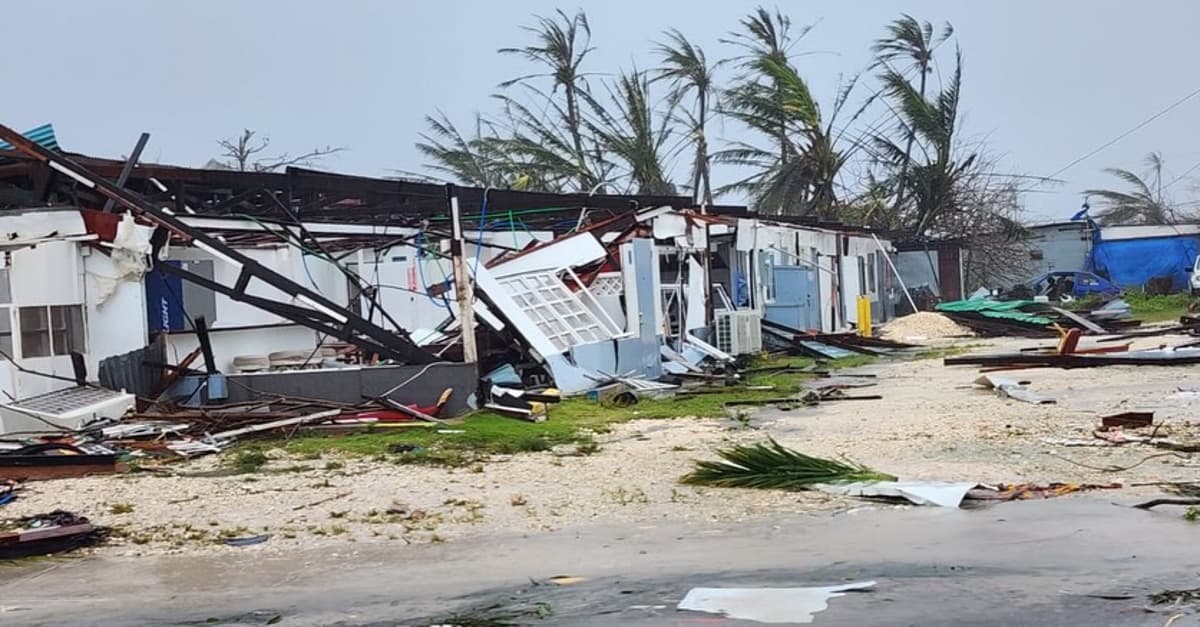
A ‘Super Typhoon’ Just Devastated the Mariana Islands — Months Before Peak Storm Season
Why It Matters
The storm highlights the vulnerability of U.S. territories to climate‑driven extreme weather and the critical need for reliable federal disaster funding, especially as the CNMI struggles with economic recovery and limited political representation.
Key Takeaways
- •Super Typhoon Sinlaku hit CNMI as Category 5, 185 mph winds.
- •Storm struck in April, two months before typical peak season.
- •FEMA pre‑positioned supplies but DHS funding stalemate threatens aid.
- •CNMI’s economy in downturn; tourism arrivals down over 50% since COVID.
- •Scientists say warmer oceans 3‑5 °F above average fueled rapid intensification.
Pulse Analysis
The arrival of Super Typhoon Sinlaku in mid‑April caught the Northern Mariana Islands off‑guard, striking well before the Pacific’s traditional peak‑storm window. With sustained winds of 185 mph, the Category 5 system ripped roofs off homes, flooded low‑lying areas, and left thousands without electricity, water, or cell service for days. Residents recalled the devastation of Super Typhoon Yutu in 2018, but Sinlaku’s early timing and sheer intensity amplified the sense of vulnerability across Saipan, Tinian and surrounding islands.
Federal response was swift on paper: FEMA pre‑stocked Guam’s distribution center with over a million liters of water, hundreds of thousands of meals, cots, blankets, tarps and dozens of generators, and dispatched additional units to Saipan. Yet the agency’s capacity is tethered to the Department of Homeland Security, which is mired in a congressional funding stalemate. Lawmakers’ disputes over broader immigration and budget priorities risk delaying critical aid, a concern echoed by local officials who depend on timely federal assistance to rebuild infrastructure and restore tourism—a sector that has slumped more than 50 % since COVID‑19.
Scientists attribute Sinlaku’s rapid intensification to ocean surface temperatures 3‑5 °F above recent averages, a clear signal of climate change’s role in amplifying Pacific storms. For U.S. territories like the CNMI, which lack voting representation in Congress, the convergence of climate risk and political marginalization creates a perfect storm of policy challenges. Strengthening disaster‑relief mechanisms, securing dedicated funding streams, and integrating climate‑adaptation strategies are essential to protect these communities from increasingly frequent and severe weather events.
A ‘super typhoon’ just devastated the Mariana Islands — months before peak storm season
Comments
Want to join the conversation?
Loading comments...