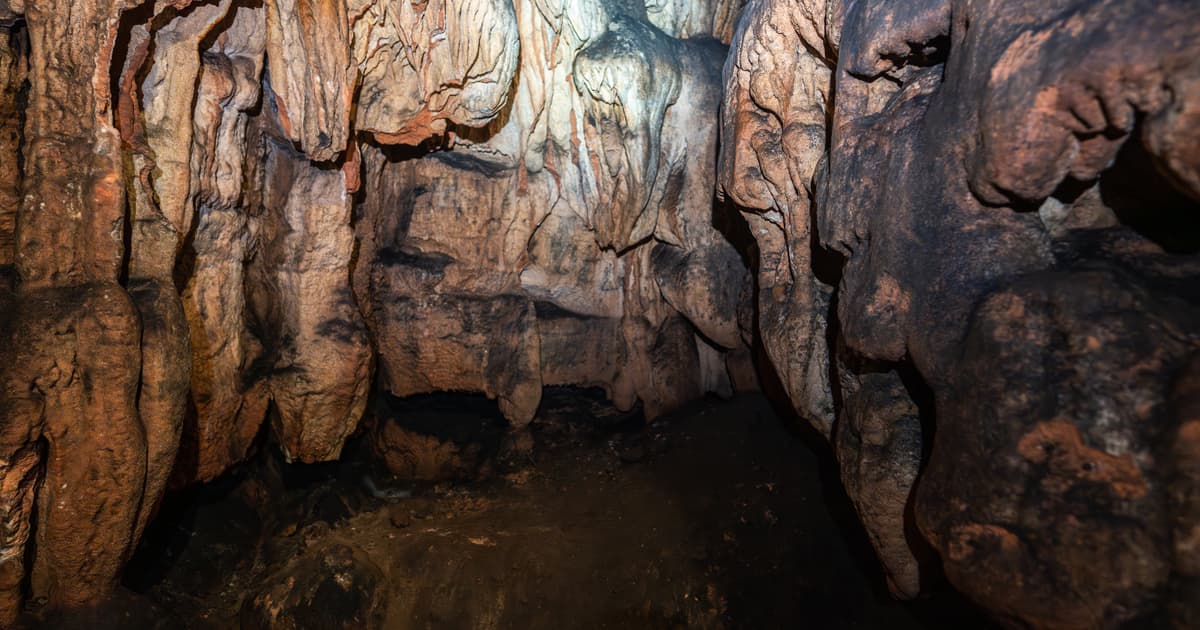
A Survey of 64 Limestone Caves in Cambodia, Reported in March 2026, Turned up Around 11 Species New to Science, Among Them a Turquoise Pit Viper, a Flying Snake, Geckos, Micro-Snails and Millipedes
Why It Matters
Documenting previously unknown species creates the scientific basis for conservation action, while the rapid loss of karst habitats threatens irreversible biodiversity loss in a globally under‑protected ecosystem.
Key Takeaways
- •Survey documented 11 potentially new species across 64 Cambodian caves
- •Three new gecko species formally described, two more pending
- •Karst hills act as isolated evolutionary labs, driving endemism
- •Quarrying threatens up to 20% of hill habitats
- •Only ~1% of global karst ecosystems currently protected
Pulse Analysis
Cambodia’s karst landscapes have emerged as hotspots of hidden biodiversity, a fact underscored by the recent Fauna & Flora report. Over a two‑year field campaign, researchers cataloged a suite of novel taxa—from a vivid turquoise pit viper to micro‑snails barely a millimeter long—demonstrating how limestone outcrops serve as natural laboratories where species diverge in isolation. This surge of discoveries adds critical data to global biodiversity inventories and reinforces the scientific imperative to map and protect such cryptic ecosystems before they vanish.
The report also paints a sobering picture of habitat pressure. Quarrying operations now scar roughly one‑fifth of the surveyed hills, and with less than one percent of karst formations worldwide under any form of protection, Cambodia’s limestone hills sit on a precarious edge. The fragile, range‑restricted fauna—often confined to a single hill—face extinction if their sole refuge is destroyed. These findings give policymakers concrete evidence to justify stricter land‑use regulations and to prioritize karst conservation in national development plans.
Beyond immediate protection concerns, the newly documented species open avenues for broader scientific inquiry and sustainable economic opportunities. Detailed taxonomic work can illuminate evolutionary pathways unique to karst environments, while responsibly managed eco‑tourism could generate revenue for local communities and fund ongoing research. As the global community grapples with accelerating biodiversity loss, Cambodia’s caves exemplify both the richness of undiscovered life and the urgency of safeguarding it before it disappears.
A survey of 64 limestone caves in Cambodia, reported in March 2026, turned up around 11 species new to science, among them a turquoise pit viper, a flying snake, geckos, micro-snails and millipedes
Comments
Want to join the conversation?
Loading comments...