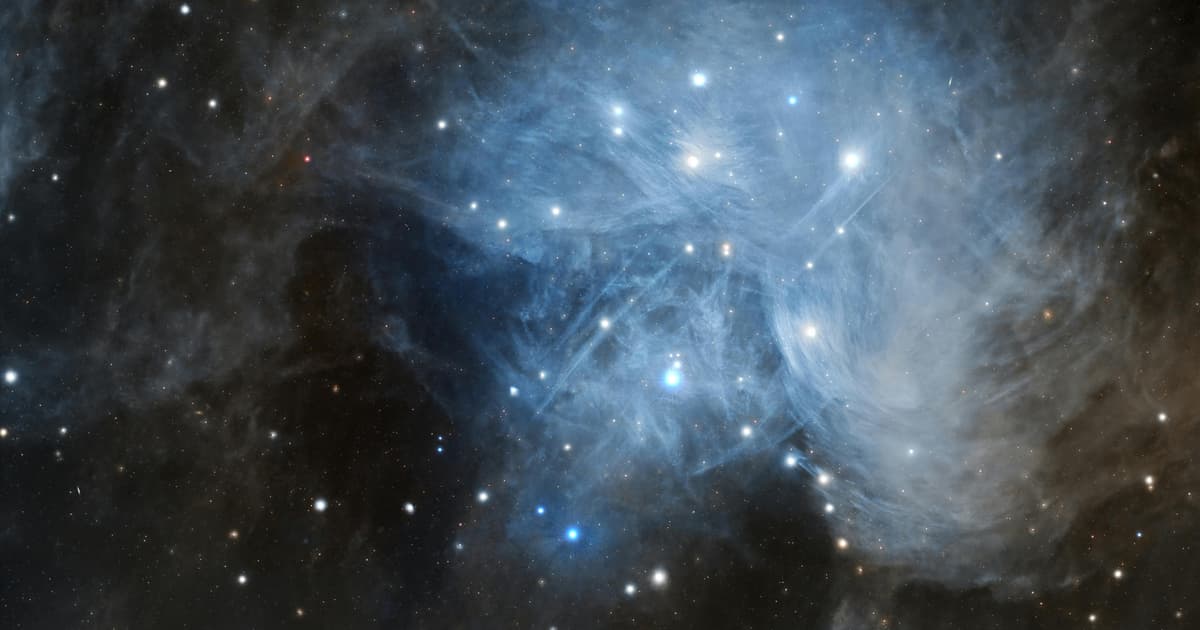
A Teaspoon of Material From a Neutron Star — the Collapsed Remnant of a Massive Star that Has Compressed All Its Mass Into a Sphere the Size of a Small City — Would Weigh Approximately a Billion Tons on Earth, More than the Combined Weight of Every Human Being Currently Alive, Packed Into a Volume Smaller than a Sugar Cube, in Matter so Dense that Physics Itself Struggles to Describe What It Is Doing
Why It Matters
Understanding neutron‑star density pushes the limits of nuclear physics and informs models of extreme matter, which are crucial for interpreting gravitational‑wave events and the synthesis of heavy elements.
Key Takeaways
- •One teaspoon of neutron‑star matter weighs ~2 billion tonnes on Earth
- •Density ≈ 4 × 10^17 kg/m³, 400 million tonnes per cm³
- •Such matter would decompress explosively if removed from its star’s gravity
- •NICER mission measures radii to constrain neutron‑star equation of state
- •Neutron‑star mergers forge heavy elements and emit detectable gravitational waves
Pulse Analysis
Neutron stars are the universe’s most compact objects, packing up to twice the Sun’s mass into a sphere only about 20 km across. This extreme compression yields a density of roughly 4 × 10^17 kg per cubic metre, meaning a single teaspoon would weigh around two billion tonnes—far more than the entire human population combined. The comparison to a sugar cube or Mount Everest helps convey the mind‑boggling scale, but it also underscores how ordinary matter is mostly empty space held apart by quantum forces that collapse under the star’s gravity.
The scientific community is racing to decode what lies inside these stellar remnants. NASA’s NICER (Neutron star Interior Composition Explorer) mission, mounted on the International Space Station, measures X‑ray pulses to infer a neutron star’s radius for a given mass, tightening constraints on the equation of state that describes ultra‑dense matter. These observations test theories ranging from superfluid neutrons to exotic quark‑gluon plasma, offering a rare laboratory for physics that cannot be reproduced on Earth. As data accumulate, researchers inch closer to answering whether the core contains hyperons, strange quarks, or entirely new phases of matter.
Beyond pure curiosity, neutron‑star research has practical ripple effects. The 2017 GW170817 merger demonstrated how colliding neutron stars generate gravitational waves and forge heavy elements like gold and platinum, reshaping our understanding of cosmic element formation. Improved models of dense matter also refine predictions for future gravitational‑wave detections, aiding the design of next‑generation observatories. In the public sphere, the “teaspoon of neutron‑star material” analogy captures imagination, translating abstract astrophysics into a tangible, awe‑inspiring fact that highlights humanity’s quest to comprehend the extremes of nature.
A teaspoon of material from a neutron star — the collapsed remnant of a massive star that has compressed all its mass into a sphere the size of a small city — would weigh approximately a billion tons on Earth, more than the combined weight of every human being currently alive, packed into a volume smaller than a sugar cube, in matter so dense that physics itself struggles to describe what it is doing
Comments
Want to join the conversation?
Loading comments...