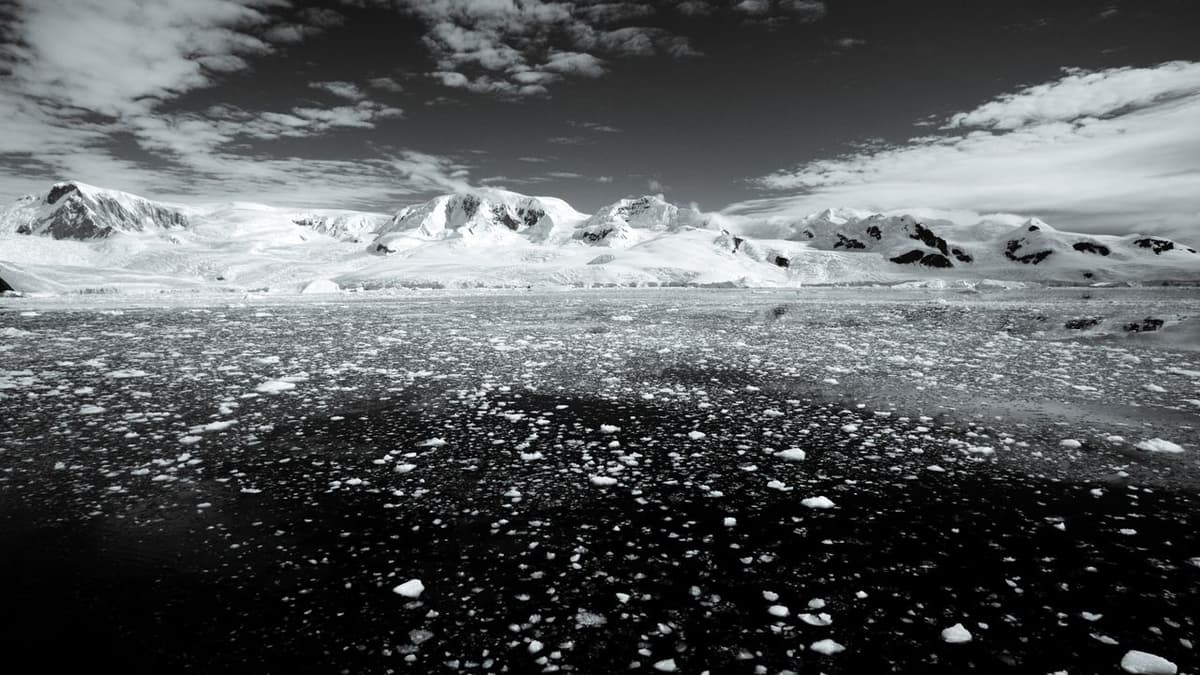
A Texas-Size Chunk of Winter Sea Ice Is Missing From Antarctica — and It's Probably Not Coming Back
Why It Matters
The disappearance of this ice undermines a key climate regulator and habitat, raising the risk of accelerated glacier melt and sea‑level rise. It signals a potentially irreversible shift in Antarctic ocean‑ice dynamics, with global repercussions.
Key Takeaways
- •250,000 sq mi (650,000 km²) of Antarctic winter sea ice missing.
- •Gap size comparable to Texas, larger than France.
- •Scientists warn loss may be permanent, linked to ocean warming.
- •Diminished ice threatens krill, penguins and ocean circulation.
Pulse Analysis
Antarctic winter sea ice acts as a thermal shield, reflecting solar radiation and driving the formation of dense, cold water that fuels global ocean currents. The sudden absence of a Texas‑sized ice slab in the Bellingshausen Sea disrupts these processes, potentially altering the Southern Ocean’s heat distribution. Historically, the continent’s sea‑ice extent has been a reliable barometer of climate health, and its abrupt contraction raises alarms about the stability of the polar climate system.
Researchers attribute the ice gap to a combination of warmer ocean waters and shifting wind patterns that inhibit ice formation. Recent satellite records show a troubling pattern: record lows in 2016, 2022 and 2023, with this year marking the third low‑ice event in four years. While the Arctic has experienced rapid ice loss, Antarctica’s slower decline has now accelerated, suggesting that global warming’s reach is deepening into the Southern Hemisphere. The persistence of such anomalies could herald a new baseline for Antarctic sea‑ice coverage.
The ecological and geopolitical stakes are high. Reduced sea ice diminishes breeding grounds for krill, penguins and seals, cascading through the food web. Moreover, thinner ice offers less buttressing for ice shelves like the one protecting Thwaites Glacier, whose potential collapse could add about 2.1 feet (65 cm) to global sea levels. Policymakers and climate strategists must therefore monitor these changes closely, integrating Antarctic ice metrics into broader mitigation and adaptation frameworks.
A Texas-size chunk of winter sea ice is missing from Antarctica — and it's probably not coming back
Comments
Want to join the conversation?
Loading comments...