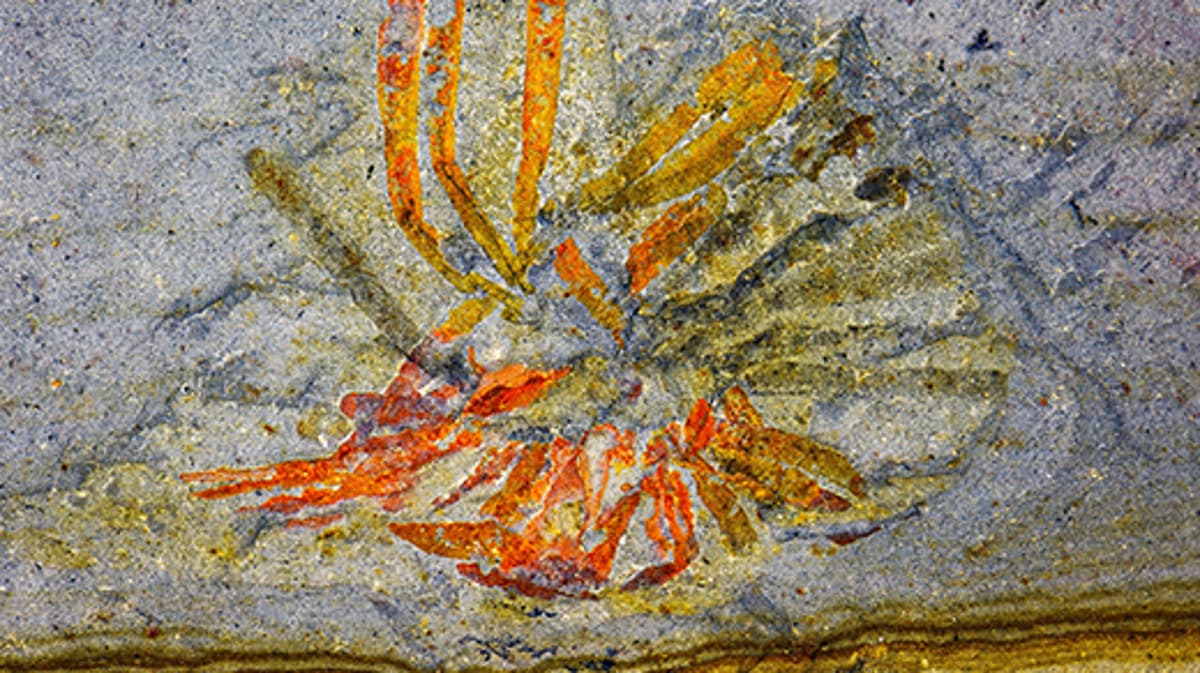
A Treasure Trove of Cambrian Fossils Rewrites the Story of Early Life
Why It Matters
The Huayuan discovery proves deep‑water habitats buffered early life against the first mass extinction, offering fresh evidence on how modern animal phyla originated and how ancient carbon cycles operated.
Key Takeaways
- •Huayuan biota contains 8,681 fossils representing 153 species.
- •Over 50% of Huayuan species are new to science.
- •Site dates after the 513 Ma Sinsk extinction, in deep marine settings.
- •Fossils reveal early origins of oceanic carbon pump via pelagic tunicates.
- •Global ocean currents linked Cambrian ecosystems, shown by Burgess‑like species.
Pulse Analysis
The Cambrian explosion, a rapid burst of animal diversity around 540 million years ago, has long been studied through a handful of exceptional fossil deposits known as Lagerstätten. Sites such as the Burgess Shale in Canada, Chengjiang in China, and Sirius Passet in Greenland have provided rare snapshots of soft‑bodied organisms, allowing scientists to reconstruct early ecosystems. The recent identification of the Huayuan biota adds a crucial deep‑sea dimension to this picture, expanding the geographic and ecological range of Cambrian preservation and challenging the notion that most early life thrived only in shallow, oxygen‑rich waters.
What sets the Huayuan assemblage apart is its timing and environment. Dating to shortly after the Sinsk event—the first documented mass extinction of the Phanerozoic—the fossils were recovered from deeper marine strata, suggesting that abyssal habitats served as refuges while shallow seas collapsed. Over 150 species have been cataloged, with more than half representing taxa never before described. This diversity includes early arthropods, sponges, cnidarians, and even pelagic tunicates, whose presence hints that the biological carbon pump—a key regulator of atmospheric CO₂—may have originated far earlier than previously thought. By linking Burgess‑like species across continents, the site also underscores the role of global ocean currents in dispersing life during the Cambrian.
Beyond academic intrigue, the Huayuan biota carries broader implications for evolutionary biology and climate science. A clearer map of how early animal groups rebounded after a planetary crisis informs models of resilience and adaptive radiation, offering analogues for modern biodiversity challenges. Moreover, the discovery of carbon‑cycling organisms in the Cambrian deep sea provides a new data point for reconstructing ancient carbon budgets, which can refine long‑term climate projections. As researchers continue to excavate the tens of thousands of unstudied specimens, the Huayuan site promises to become a cornerstone for interdisciplinary studies, attracting funding, talent, and perhaps even paleontological tourism to the region.
A Treasure Trove of Cambrian Fossils Rewrites the Story of Early Life
Comments
Want to join the conversation?
Loading comments...