Why It Matters
The living whale graveyard provides rare data on how massive organic matter is processed on the ocean floor, informing models of carbon sequestration and deep‑sea biodiversity, while reshaping our understanding of marine fossil records.
Key Takeaways
- •1,200‑km‑long, 7‑km‑deep whale graveyard discovered in Indian Ocean.
- •Site lies along the Diamantina fracture zone, a tectonic feature.
- •Active accumulation provides rare insight into modern whale‑fall ecosystems.
- •Findings could refine models of deep‑sea carbon sequestration.
- •Opens new avenues for studying marine megafauna evolution.
Pulse Analysis
A team of marine paleontologists led by Stephen J. Godfrey uncovered an unprecedented whale necropolis in the Indian Ocean’s Diamantina fracture zone. Using autonomous underwater vehicles equipped with multibeam sonar, the researchers mapped a linear stretch of bone‑laden seafloor extending about 1,200 kilometers and descending to depths near 7 kilometers. The site’s sheer scale and ongoing deposition distinguish it from historic fossil graveyards that are now inert, making it a living laboratory for deep‑sea processes.
Whale falls have long been recognized as ecological hotspots that funnel nutrients to the abyssal plain, supporting specialized communities of bacteria, crustaceans, and fish. This newly documented necropolis, still actively receiving carcasses, allows scientists to observe the succession of life stages in real time, from scavenger colonization to chemosynthetic ecosystems. Moreover, the massive organic input plays a critical role in sequestering carbon, as whale tissue is converted into long‑lasting sedimentary carbon stores, a factor increasingly relevant to climate‑change models.
The implications extend beyond academic curiosity. By quantifying the rate of bone accumulation and associated carbon burial, researchers can refine global carbon budgets and improve predictions of oceanic carbon sinks. The site also offers a rare genetic archive of modern cetaceans, potentially aiding conservation genetics and biotechnology. As deep‑sea exploration technologies advance, the Diamantina necropolis may become a cornerstone for interdisciplinary studies linking paleontology, oceanography, and climate science.
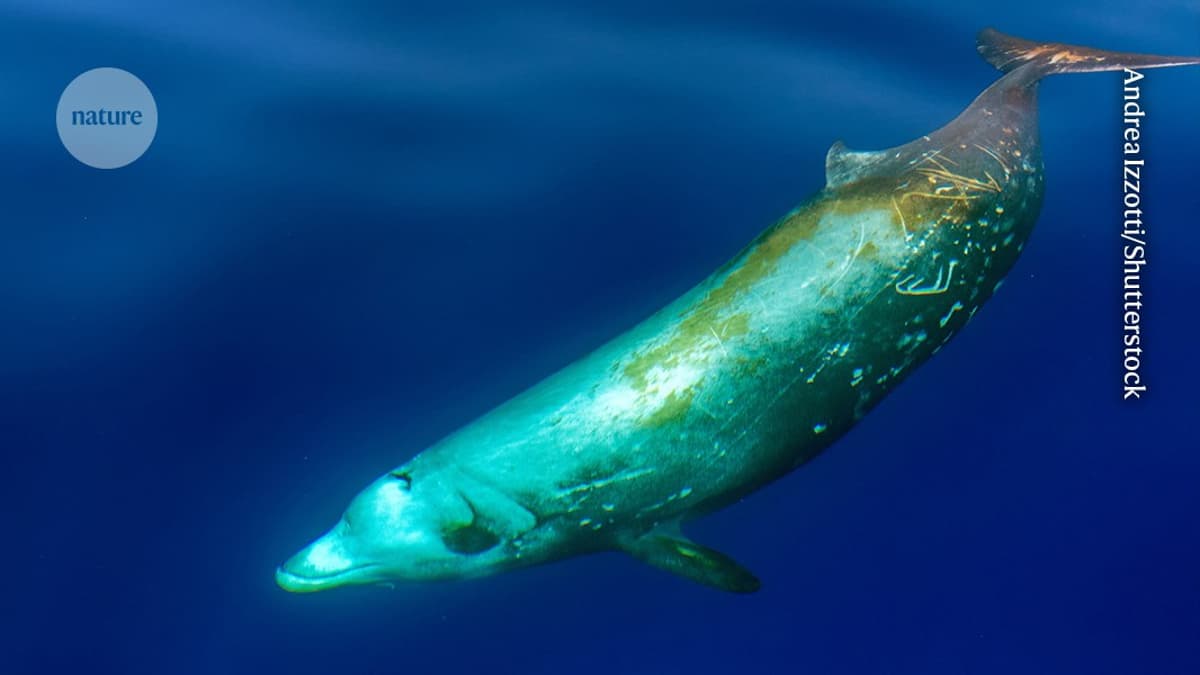
A vast whale necropolis has been found
Comments
Want to join the conversation?
Loading comments...