Why It Matters
HEBs promise next‑generation medical devices with superior performance and multifunctionality, potentially reshaping implant durability and therapeutic efficacy across healthcare sectors.
Key Takeaways
- •High-entropy biomaterials combine five+ elements in near‑equiatomic ratios
- •Core effects yield superior strength, corrosion resistance, and multifunctionality
- •Applications include orthopedic implants, vascular stents, anti‑tumor therapies
- •AI‑driven modeling aims to accelerate safe clinical translation
Pulse Analysis
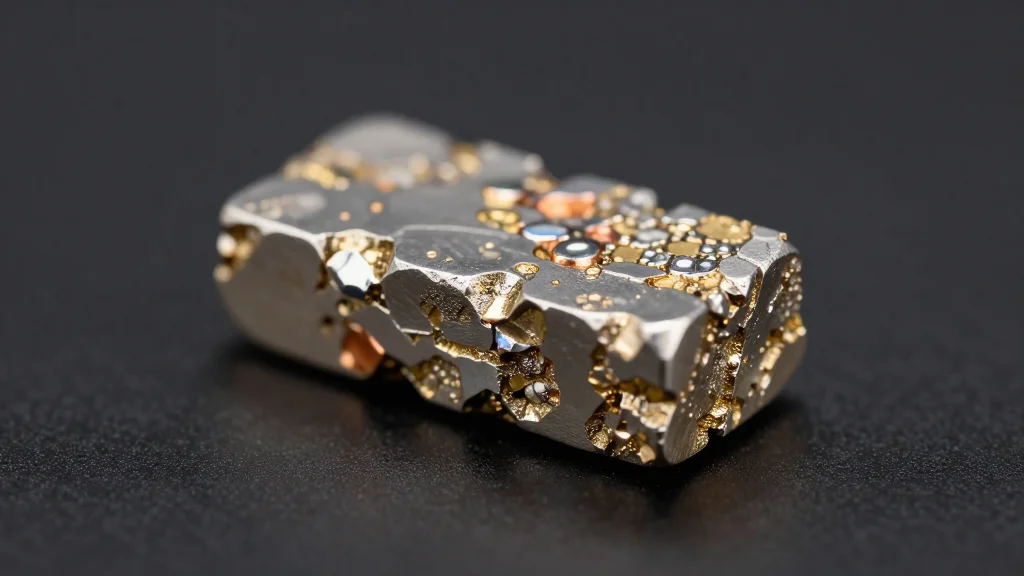
High‑entropy materials (HEMs) have emerged as a transformative class of alloys and ceramics, distinguished by their multi‑principal element compositions. By mixing five or more elements in near‑equal proportions, HEMs generate four interrelated core effects—high configurational entropy, severe lattice distortion, sluggish diffusion, and the so‑called cocktail effect. These phenomena confer exceptional mechanical robustness, corrosion resistance, and catalytic versatility, making HEMs attractive for demanding engineering sectors and, increasingly, for biomedical innovation.
In the medical arena, high‑entropy biomaterials (HEBs) translate these intrinsic advantages into tangible clinical benefits. Orthopedic implants fashioned from HEBs exhibit enhanced load‑bearing capacity and reduced wear, extending implant lifespan. Vascular stents benefit from superior biocompatibility and resistance to restenosis, while the tunable surface chemistry enables targeted anti‑tumor and antimicrobial therapies. Moreover, the multifunctional nature of HEBs supports integrated biosensing platforms, opening pathways for real‑time health monitoring and personalized treatment.
Despite the promise, widespread adoption faces hurdles such as comprehensive biosafety assessment, scalable manufacturing, and regulatory approval. Emerging computational tools and artificial‑intelligence‑driven simulations are poised to accelerate material discovery, predict biological interactions, and streamline design cycles. By coupling predictive modeling with rigorous in‑vitro and in‑vivo testing, the industry can address safety concerns and expedite the translation of HEBs from laboratory benches to bedside applications, heralding a new era of resilient, multifunctional medical devices.
Advanced High‐Entropy Biomaterials (HEBs)
Comments
Want to join the conversation?
Loading comments...