Advancing Single-Cell Transcriptomics Into the Mainstream of Biomedical Research
Companies Mentioned
Why It Matters
Automation removes a major scalability barrier, enabling researchers to generate high‑resolution cellular data at commercial‑scale, which accelerates drug discovery and immunotherapy development.
Key Takeaways
- •Automation raises throughput from 24 to 96 samples daily
- •Hands‑on time drops from >5 hours to 1 hour per run
- •Robots cut pipetting errors, improving data consistency
- •Future automation targets cDNA synthesis and VDJ profiling
Pulse Analysis
Single‑cell transcriptomics has moved from a niche technique to a foundational platform for biomedical discovery. By capturing gene‑expression signatures at the individual cell level, it reveals heterogeneity that bulk RNA sequencing masks, enabling breakthroughs in oncology, immunology and cell‑therapy development. The surge in demand has exposed bottlenecks: manual library preparation, limited daily sample capacity and long turnaround times. As biopharma pipelines increasingly rely on high‑resolution cellular data, vendors are under pressure to deliver scalable, reproducible solutions that keep pace with research timelines.
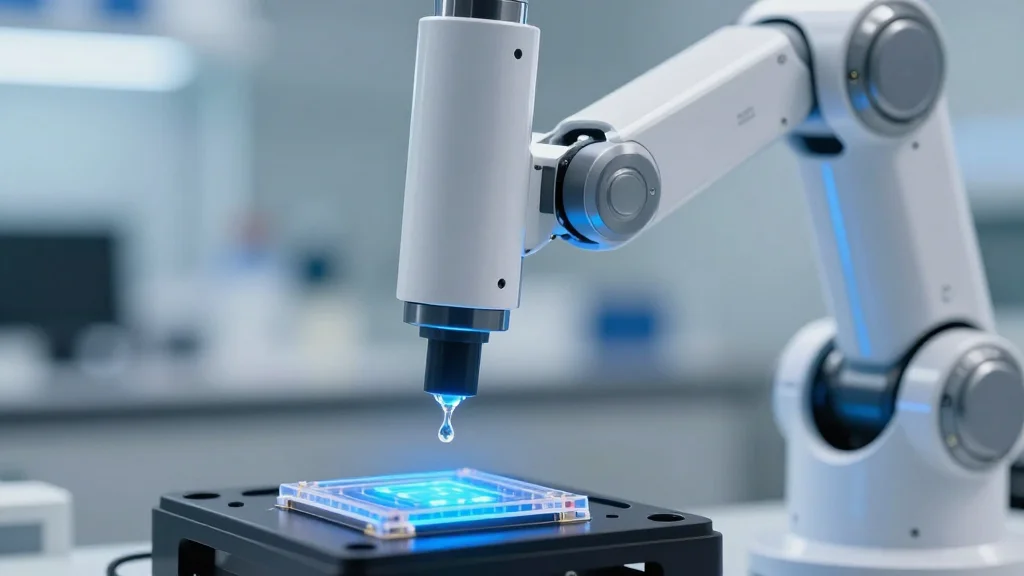
Beckman Coulter Life Sciences and 10x Genomics answered that call by co‑developing an automated library‑preparation platform. In partnership with the CRO Single Cell Discoveries (SCD), the system combines flexible pipetting, multichannel heads and an integrated cooler, allowing both single‑ and dual‑arm configurations. The automation lifts daily throughput from 24 to 96 samples and slashes hands‑on time from over five hours to roughly one hour per batch. Users also report markedly lower pipetting error rates and tighter data variance, translating into faster project completion and more reliable biological insights.
Looking ahead, the same automation principles are being extended to cDNA synthesis, cell‑surface protein assays and Variable Diversity Joining (VDJ) profiling, which will further streamline immune‑cell analysis. Greater throughput and reproducibility promise richer datasets for mechanism‑of‑action studies, safety profiling and personalized immunotherapy design. As these tools become as routine as next‑generation sequencing, they will lower barriers for smaller labs and accelerate the translation of single‑cell insights into clinical candidates. Continued collaboration among CROs, instrument makers and drug developers will cement single‑cell transcriptomics as a mainstream research pillar.
Advancing single-cell transcriptomics into the mainstream of biomedical research
Comments
Want to join the conversation?
Loading comments...