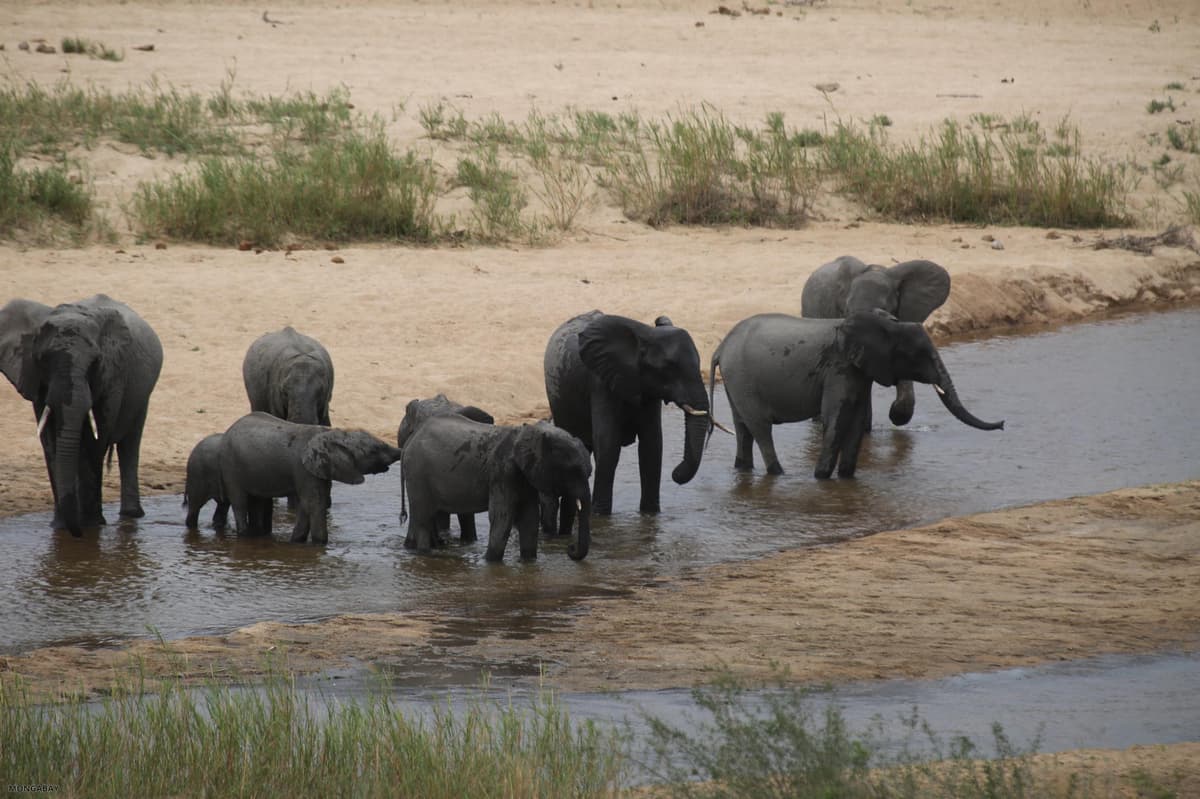
African Elephant Genomes Reveal Ancient Mixing — and Modern Pressures
Why It Matters
The research links human‑induced fragmentation to genetic erosion, highlighting connectivity as essential for long‑term species survival and ecosystem stability.
Key Takeaways
- •Hybridization occurred where forest and savanna habitats intersect
- •Genomic data shows ancient gene flow across African elephant range
- •Inbreeding spikes in isolated savanna populations in Eritrea, Ethiopia
- •Connectivity preserves genetic diversity in Southern African elephant herds
Pulse Analysis
The new genomic analysis, published in Nature Communications, provides the most comprehensive genetic portrait of African elephants to date. By sequencing 232 individuals, researchers traced both recent and ancient admixture events, showing that forest and savanna elephants have interbred whenever their ranges overlapped. This genetic intermingling mirrors past climate‑driven shifts in forest cover, offering a window into how megafauna responded to environmental change over millions of years.
Beyond historical insights, the study reveals a stark modern contrast: populations fragmented by agriculture, roads, and poaching exhibit alarming levels of inbreeding and diminished heterozygosity. In Eritrea and Ethiopia, isolated savanna groups have lost genetic variability, a warning sign for their resilience against disease and climate stress. Conversely, Southern African herds benefit from expansive, connected landscapes that facilitate gene flow, underscoring the protective value of intact corridors.
For policymakers and conservationists, the implications are clear. Maintaining and restoring wildlife corridors should become a priority in national wildlife strategies, as genetic connectivity directly influences population health and long‑term viability. Integrating genomic monitoring into anti‑poaching and land‑use planning can provide early warnings of genetic decline, enabling targeted interventions before demographic collapse occurs. As megafauna face accelerating habitat loss, leveraging genetic data offers a powerful tool to safeguard Africa’s iconic elephants for future generations.
African elephant genomes reveal ancient mixing — and modern pressures
Comments
Want to join the conversation?
Loading comments...