Africa’s Climate Challenge Is Now a Security Crisis
Why It Matters
The climate‑security nexus threatens regional stability, economic growth and human lives, making coordinated action essential for peace and development in the Horn of Africa.
Key Takeaways
- •Pastoralist-farmer clashes rise as drought forces livestock into farms
- •13 million livestock lost; Kenya's livestock loss cost exceeds $1.5 billion
- •31.9 million people need aid; 2.7 million displaced by 2023 drought
- •IGAD launched Climate Security Mechanism to coordinate early warning and conflict prevention
- •Women face heightened violence and care burdens amid climate‑induced scarcity
Pulse Analysis
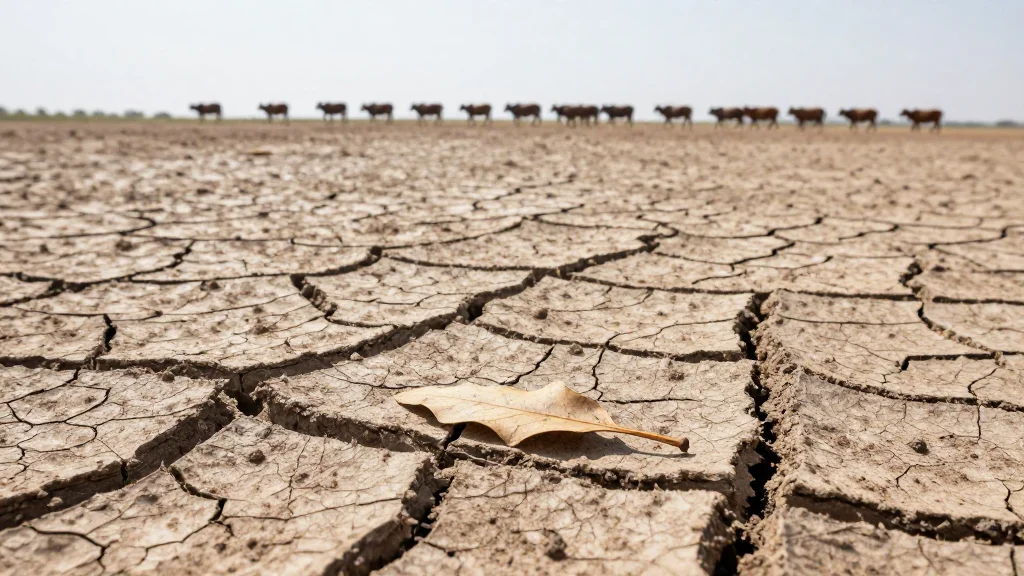
The Horn of Africa is rapidly becoming a flashpoint where climate change, conflict and migration intersect. Prolonged droughts have stripped pastoralists of grazing land, forcing herders to migrate into agricultural zones and igniting violent confrontations, as seen in Kitui County, Kenya. Simultaneously, erratic floods have compounded the crisis, wiping out livestock—over 13 million heads region‑wide—and crippling livelihoods that underpin local economies. The resulting food insecurity has pushed 31.9 million people into urgent need of assistance, with displacement figures soaring to millions, straining humanitarian systems and inflaming communal tensions.
Beyond the immediate humanitarian fallout, the climate‑security nexus poses a strategic risk to regional stability. Competition over dwindling water and pasture resources fuels inter‑communal violence, while armed groups exploit the chaos to expand influence. Gender disparities deepen as women and girls bear the brunt of resource scarcity, facing longer journeys for water and heightened exposure to violence. Recognizing these dynamics, the Intergovernmental Authority on Development (IGAD) instituted the Climate Security Mechanism in 2023, integrating early‑warning data, conflict‑prevention frameworks and cross‑ministerial coordination to pre‑empt crises before they erupt.
Effective mitigation hinges on collective action. Joint early‑warning systems, trans‑boundary water management agreements, and coordinated peacebuilding initiatives can transform shared vulnerabilities into resilience opportunities. International partners must align climate finance with security objectives, ensuring that adaptation investments also reduce conflict risk. By embedding climate considerations into national security and development strategies, Horn of Africa nations can safeguard livelihoods, curb displacement and foster a more stable, prosperous future.
Africa’s climate challenge is now a security crisis
Comments
Want to join the conversation?
Loading comments...