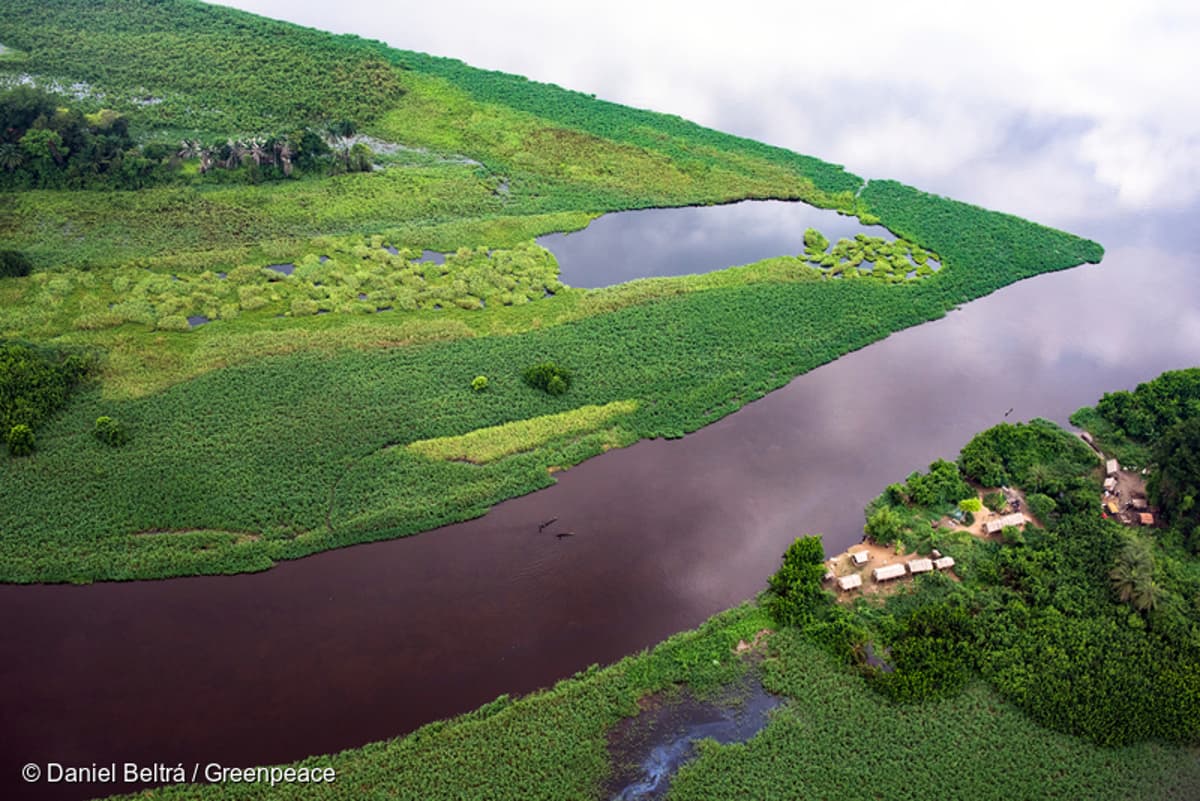
Agriculture Drives Most Tropical Peatland Loss in Indonesia, Peru and DRC: Study
Why It Matters
Peatland degradation releases vast amounts of carbon, accelerating global warming and undermining climate‑mitigation goals. Targeting agricultural expansion and fire practices offers a tangible pathway to preserve these high‑value carbon sinks.
Key Takeaways
- •Agriculture caused 67% of Indonesia peatland conversion.
- •Smallholder farms drove 61% of Peru peatland loss.
- •DRC smallholders accounted for 93% of peatland conversion.
- •Fires released 19‑20× more emissions than peat decay in 2020.
- •Rewetting drained peatlands can cut long‑term carbon emissions.
Pulse Analysis
Tropical peatlands, though covering less than three percent of Earth’s surface, store more carbon than any other terrestrial ecosystem. The vast swamps of Indonesia, the high‑altitude peat of Peru, and the Cuvette Centrale in the DRC act as massive carbon reservoirs, locking away millennia of organic matter. When these wetlands are drained or burned, the stored carbon is rapidly oxidized, releasing carbon dioxide and methane—potent greenhouse gases that amplify climate change. Understanding the precise drivers behind this conversion is essential for policymakers seeking to protect one of the planet’s most efficient carbon sinks.
The recent study leveraged high‑resolution satellite imagery from 2020‑2021 to pinpoint land‑use changes across the three countries. Agriculture emerged as the primary catalyst, responsible for two‑thirds of Indonesia’s peat loss and the majority of conversions in Peru and the DRC. Notably, smallholder farms dominate the picture in Peru and the DRC, highlighting a grassroots dimension to the problem. While logging and mining also contribute, fire‑based clearing spikes emissions dramatically—2020 fire events produced 19‑20 times more greenhouse gases than the slower decay of exposed peat in the following year. This short‑term emission burst can outweigh years of gradual release, underscoring the urgency of fire‑free land‑use practices.
The findings carry clear policy implications. Governments and NGOs should prioritize fire‑free agricultural expansion, enforce stricter land‑use zoning, and invest in rewetting projects that restore the water table, halting peat oxidation. Although methodological debates persist—particularly regarding peat depth estimates in the DRC—the consensus is that curbing fire and rehydrating drained peatlands can dramatically reduce carbon output. By aligning climate‑finance mechanisms with on‑the‑ground peat restoration, the international community can safeguard these critical ecosystems while supporting sustainable livelihoods for local farmers.
Agriculture drives most tropical peatland loss in Indonesia, Peru and DRC: Study
Comments
Want to join the conversation?
Loading comments...