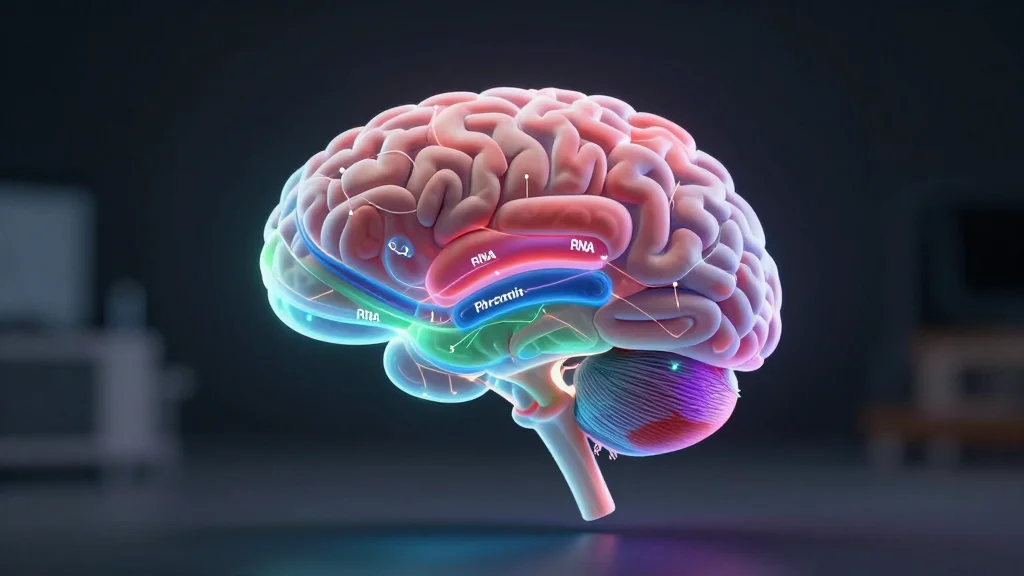
AI Tool Unifies Fragmented Cell Maps Into Spatial Atlases Across Tissues
Why It Matters
SpaMosaic lowers the cost and technical barrier of building multi‑omics spatial atlases, accelerating discovery in brain research, immunology and precision medicine.
Key Takeaways
- •SpaMosaic integrates RNA, protein, chromatin, histone data across batches
- •Outperforms prior methods on mouse brain, embryo, human lymph node datasets
- •Predicts missing molecular layers, revealing stronger gene‑epigenetic links
- •Removes batch effects while preserving true biological signals
- •Enables cheaper, collaborative construction of multi‑omics tissue atlases
Pulse Analysis
Spatial multi‑omics technologies have transformed how scientists view tissues, offering gene‑ and protein‑level detail with precise anatomical context. Yet the high cost and technical complexity of capturing multiple molecular layers in a single experiment force researchers to generate "mosaic" datasets—partial snapshots stitched together from different platforms or labs. This fragmentation hampers cross‑study comparisons and slows the creation of unified cellular atlases that are essential for decoding organ function and disease mechanisms.
Enter SpaMosaic, an artificial‑intelligence framework that fuses contrastive learning with graph neural networks to align and integrate disparate spatial datasets. By treating neighboring cells as nodes in a graph, the model respects the inherent spatial relationships while learning shared representations across modalities. Benchmarks show SpaMosaic consistently outperforms legacy tools on simulated data and real‑world samples, from mouse brain development to human lymph node and tonsil tissue. Its standout capability is imputing unmeasured layers—such as histone modifications—thereby uncovering regulatory links that may be missed in conventional experiments.
The broader impact of SpaMosaic extends beyond academic labs. By democratizing access to high‑resolution, multi‑omics atlases, it reduces the need for costly, single‑experiment pipelines and encourages collaborative data sharing across institutions. Neuroscience stands to gain richer maps of brain development, neuroinflammation, and neurodegenerative diseases like Alzheimer’s and ALS. As the tool scales to larger datasets, it could become a cornerstone for precision medicine initiatives that rely on integrated spatial insights to guide therapeutic development and patient stratification.
AI tool unifies fragmented cell maps into spatial atlases across tissues
Comments
Want to join the conversation?
Loading comments...