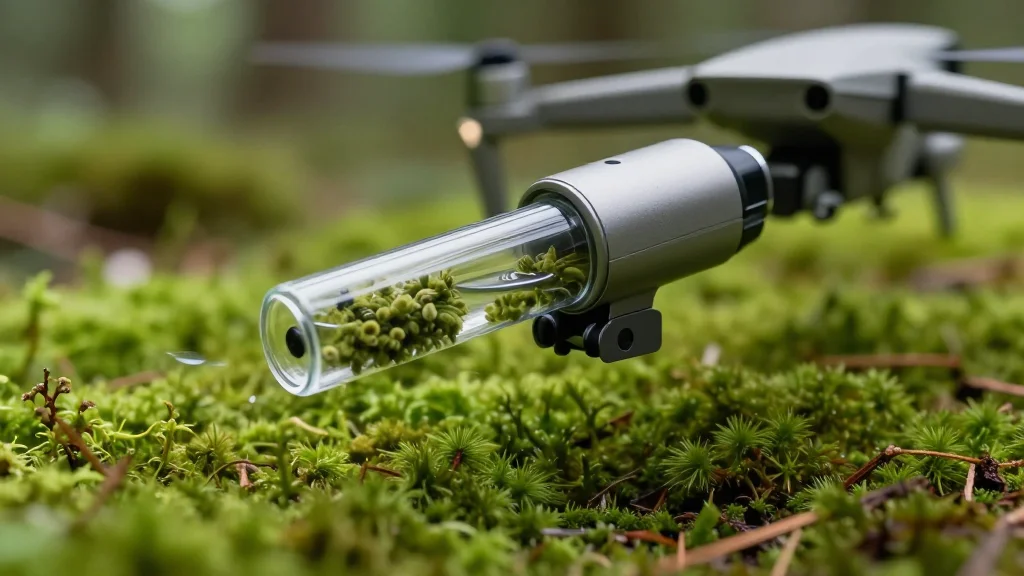
Airborne DNA Reveals Shifting Reproductive Timing in Bryophytes
Why It Matters
Accelerated bryophyte reproduction signals ecosystem responses to warming, affecting carbon cycling and biodiversity assessments. The approach offers scalable monitoring for climate‑impact studies.
Key Takeaways
- •Airborne eDNA tracks moss phenology across regions
- •Reproductive onset advanced 2‑3 weeks since 1990
- •Temperature rise of 1.2 °C correlates with shift
- •Early spore release alters carbon sequestration dynamics
- •Method offers low‑cost, scalable biodiversity monitoring
Pulse Analysis
Airborne environmental DNA has emerged as a game‑changing method for ecological surveillance, allowing scientists to capture genetic material shed by organisms into the atmosphere. Unlike traditional field surveys, eDNA sampling can be conducted from a single site and processed quickly, delivering high‑resolution data on species presence and activity. For bryophytes—often overlooked due to their diminutive size—this technique provides unprecedented insight into their seasonal dynamics and geographic distribution.
The recent study applied this technology to mosses across temperate zones, uncovering a clear trend: reproductive events now commence 2‑3 weeks earlier than historical records indicate. Statistical analysis linked this phenological shift to a mean temperature increase of about 1.2 °C over the past three decades. Earlier spore release not only alters the life cycle of these plants but also influences ecosystem functions such as water retention and carbon sequestration, given bryophytes’ role in soil formation and moisture regulation.
These results carry weight for climate‑impact modeling and biodiversity management. By integrating airborne eDNA data, policymakers and conservationists can monitor subtle yet significant biological responses to warming in near real‑time, enabling proactive mitigation strategies. Moreover, the low‑cost, scalable nature of eDNA sampling positions it as a vital tool for global monitoring networks, expanding our capacity to track climate‑driven changes across all tiers of the plant kingdom.
Airborne DNA reveals shifting reproductive timing in bryophytes
Comments
Want to join the conversation?
Loading comments...