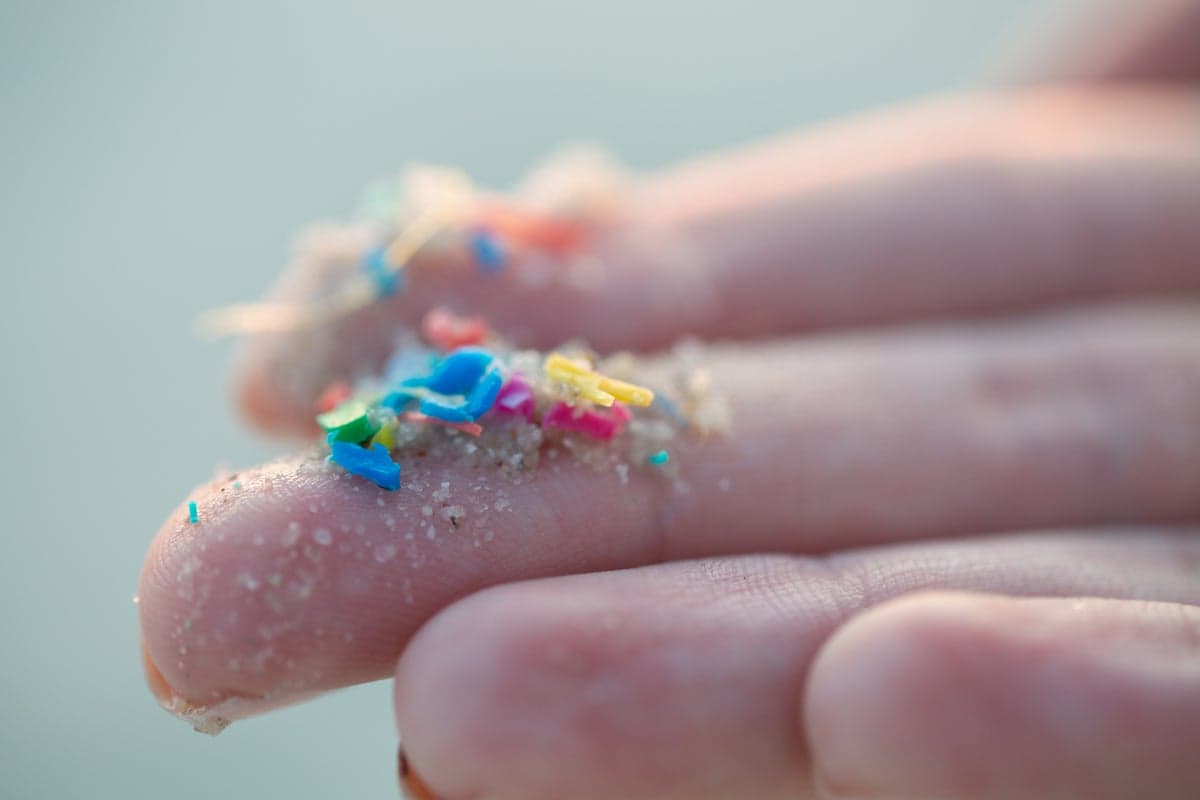
Airborne Microplastics Could Be Making Climate Change Worse
Why It Matters
By revealing a previously hidden climate forcing, the findings could force revisions to global warming forecasts and motivate policy actions to curb plastic emissions, directly influencing mitigation pathways.
Key Takeaways
- •Airborne microplastics contribute ~16% of black carbon's warming effect
- •Study estimates net warming from microplastics outweighs any cooling impact
- •Current climate models omit microplastic radiative forcing, risking underestimation
- •Researchers urge IPCC to include microplastic data in future assessments
- •Cutting plastic use could reduce emissions and atmospheric heating
Pulse Analysis
The recent Nature Climate Change paper quantifies the radiative forcing of airborne micro‑ and nanoplastics, a factor long absent from climate science. By measuring how different polymer colors absorb and scatter sunlight, the authors modeled a global warming contribution that, while modest compared with CO₂, rivals the effect of black carbon at about one‑sixth its magnitude. This nuance reshapes our understanding of aerosol‑driven warming, highlighting that not all atmospheric particles cool the Earth; many, especially darker plastics, act as heat traps.
Integrating this microplastic forcing into climate models could shift temperature projections, especially in regions with high atmospheric particulate loads. The study’s senior author, Duke professor Drew Shindell, urges the IPCC to update assessment reports, noting that omission may lead to under‑estimation of near‑term warming. Policymakers and modelers now face the challenge of quantifying plastic concentrations vertically and horizontally, a data gap that could be addressed through satellite remote sensing and high‑altitude sampling campaigns. Accurate inclusion would refine mitigation pathways and inform carbon budgeting.
Beyond the atmospheric lens, the research underscores the broader climate cost of the plastic lifecycle. Production of polymers relies heavily on fossil‑derived feedstocks, releasing CO₂ and other greenhouse gases. Reducing plastic consumption, improving recycling rates, and developing bio‑based alternatives could therefore deliver dual benefits: cutting both direct emissions and the newly identified atmospheric heating effect. As the scientific community gathers more data, the intersection of plastic pollution and climate change is poised to become a pivotal consideration in sustainability strategies.
Airborne microplastics could be making climate change worse
Comments
Want to join the conversation?
Loading comments...