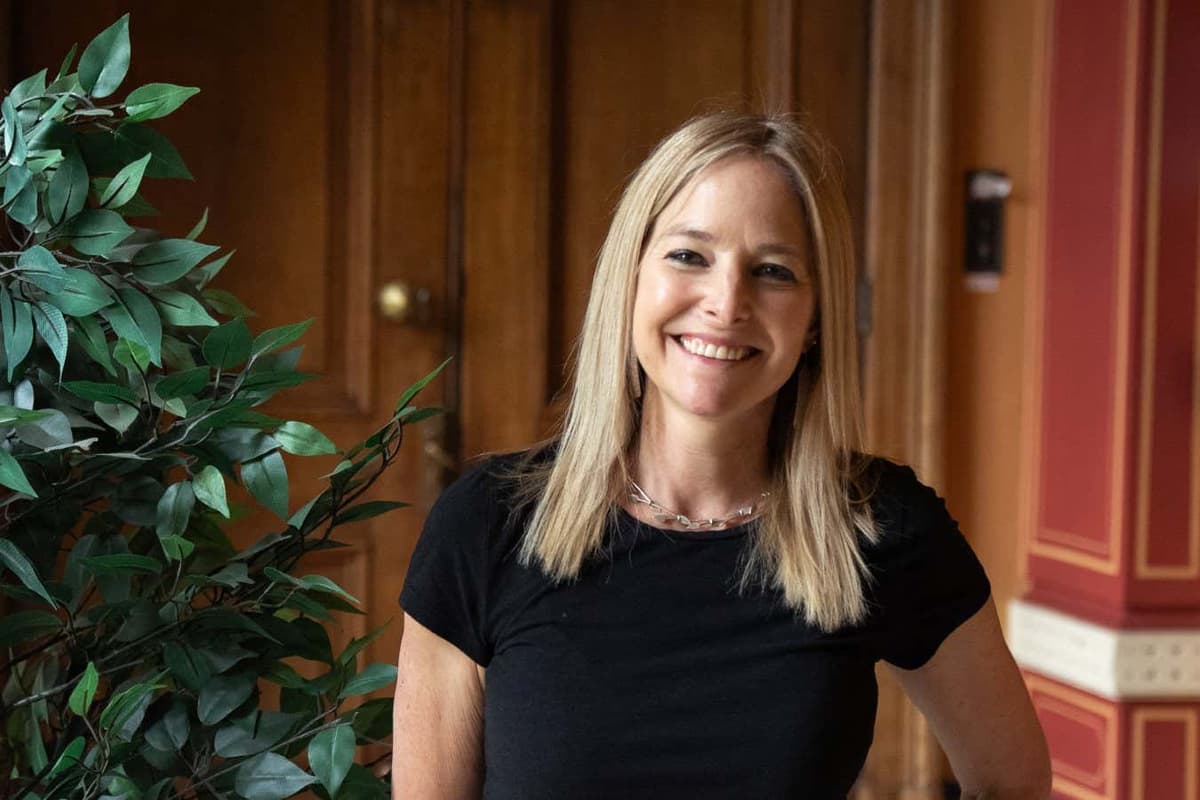
Alice Roberts: 'We Are Fundamentally, at the End of the Day, Animals'
Why It Matters
By reframing humans as ordinary animals, the book challenges entrenched anthropocentric narratives and encourages more nuanced public discourse on evolution, biodiversity, and our place in nature. Its wide‑reach format can boost scientific literacy and inform policy debates about conservation and human impact.
Key Takeaways
- •Alice Roberts authored "Humans: The Evolution of a Species" with global contributors.
- •Book blends scientific illustration and narrative to trace human evolution.
- •Roberts argues humans are animals, rejecting exceptionalist myths.
- •Publication aims to broaden public understanding of anthropology.
- •Roberts' media career amplifies scientific literacy across TV and print.
Pulse Analysis
Alice Roberts’ latest project, "Humans: The Evolution of a Species," arrives at a moment when public appetite for accessible science is at an all‑time high. Drawing on her dual expertise as a former surgeon and a veteran broadcaster, Roberts curates contributions from leading paleo‑anthropologists, geneticists, and illustrators to produce a visually rich narrative that spans two million years of hominin development. The book’s design—full‑color plates paired with concise, jargon‑free text—mirrors successful models seen in popular science publishing, positioning it as a bridge between academic research and mainstream readers.
Beyond its aesthetic appeal, the volume tackles a deeper philosophical debate: the notion of human exceptionalism. Roberts explicitly frames Homo sapiens as "fundamentally, at the end of the day, animals," a stance that pushes back against cultural narratives that elevate humanity above the natural world. This perspective aligns with recent scholarly calls to de‑anthropocentrize evolutionary discourse, emphasizing continuity rather than hierarchy. By confronting these myths, the book invites policymakers, educators, and the general public to reconsider how human behavior is contextualized within broader ecological systems.
The impact of Roberts’ outreach extends into education and media. Her track record—spanning series like "Digging for Britain" and "The Lost Scrolls of Pompeii"—has already demonstrated how compelling storytelling can translate complex findings into household conversation. "Humans" is poised to amplify that effect, offering teachers a ready‑made resource for curricula and providing journalists with scientifically vetted talking points. As climate change and biodiversity loss dominate policy agendas, a clearer public grasp of humanity’s animal roots may foster more responsible stewardship of the planet.
Alice Roberts: 'We are fundamentally, at the end of the day, animals'
Comments
Want to join the conversation?
Loading comments...