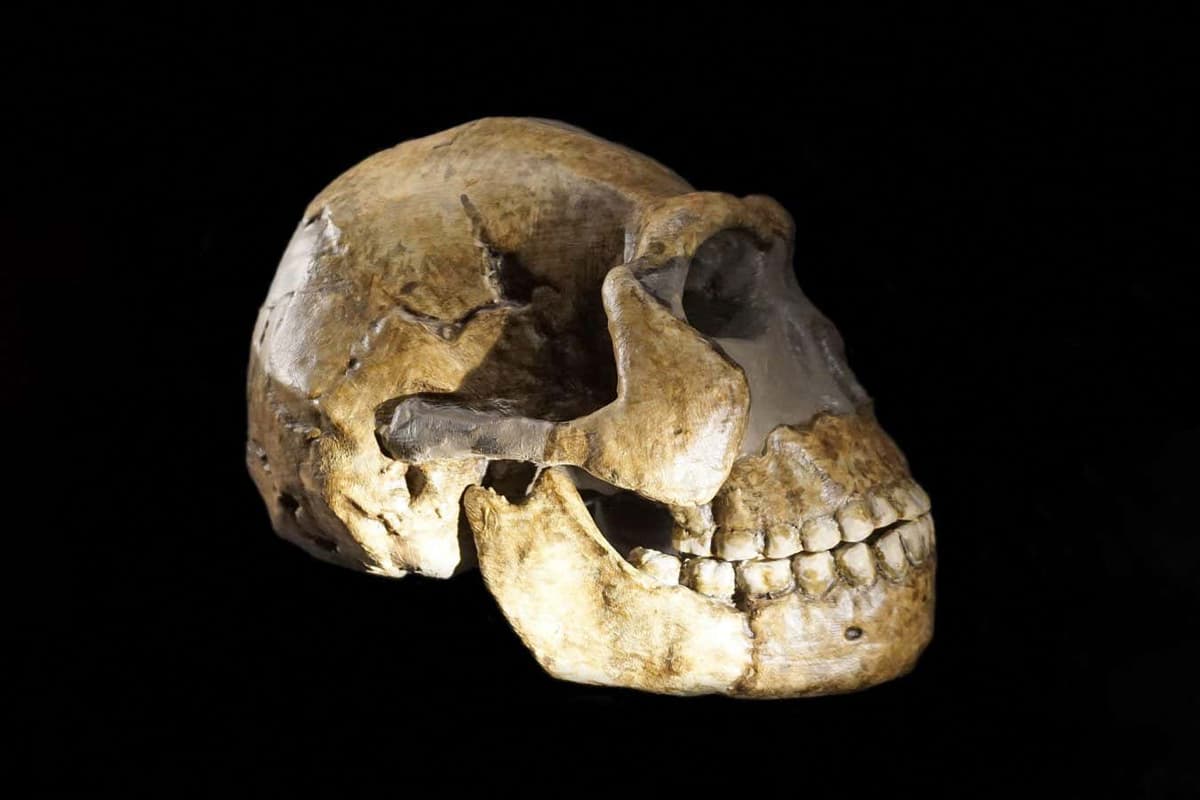
All Known Homo Naledi Skeletons Seem to Be Female
Why It Matters
If Homo naledi intentionally placed only female bodies in the cave, it provides rare evidence of complex social behavior and possible funerary practices far earlier than previously documented, reshaping models of hominin cognition and cultural evolution.
Key Takeaways
- •Protein analysis of 20 Naledi teeth found only AMELX signals
- •All sampled individuals appear female, a 0.0001% chance if mixed
- •Suggests deliberate placement of female bodies in Rising Star cave
- •Challenges natural accumulation models, hints at early funerary behavior
Pulse Analysis
The discovery of Homo naledi in South Africa’s Rising Star cave system sparked intense debate about the species’ cognitive abilities and social structure. Dated to roughly 335,000–236,000 years ago, the fossils were initially notable for their mix of primitive and modern traits, prompting speculation that the hominins might have engaged in ritualistic behavior such as burial. Prior hypotheses ranged from accidental death traps to intentional disposal, but the lack of definitive cultural markers left the discussion unsettled.
Madupe’s protein‑based sex determination method leverages amelogenin variants encoded on the X and Y chromosomes. By isolating enamel proteins from 20 individuals and detecting exclusively the AMELX signature, the researchers concluded that all sampled specimens were female. Statistical analysis shows the odds of a random 20‑person sample containing no AMELY signal are less than one in a million, effectively ruling out chance as an explanation. This uniform sex bias, spanning juveniles and adults, suggests a purposeful selection process, perhaps linked to group dynamics, caregiving roles, or a specific mortuary practice that favored female bodies.
The implications extend beyond a single species. Demonstrating intentional deposition of bodies—especially with a gendered pattern—pushes the timeline for complex social rituals further back in the hominin lineage, challenging the view that such behaviors emerged only with Homo sapiens. It also fuels interdisciplinary dialogue among paleoanthropologists, geneticists, and archaeologists about the evolutionary roots of funerary customs. Future work will need to verify the protein findings across additional specimens, explore alternative explanations such as differential preservation, and assess whether similar patterns exist in other fossil assemblages, thereby refining our understanding of early human cultural development.
All known Homo naledi skeletons seem to be female
Comments
Want to join the conversation?
Loading comments...