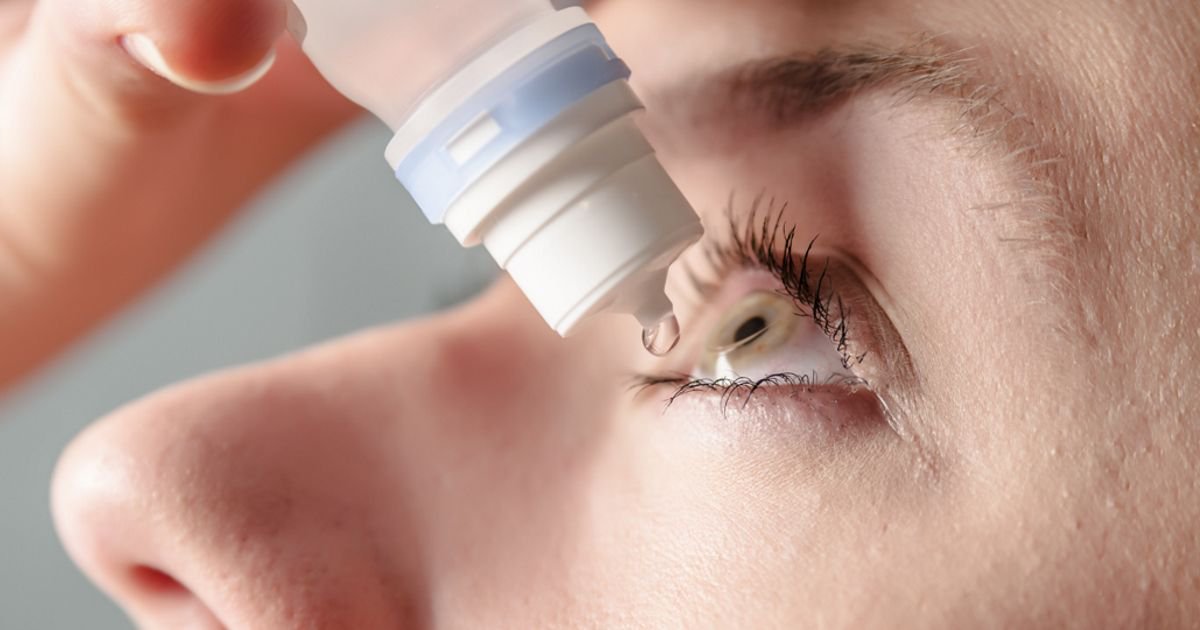
‘Always Use Preservative-Free Eye Drops’ in Sjögren’s Disease
Why It Matters
Effective dry‑eye management reduces ocular damage and improves quality of life for Sjögren’s patients, a growing demographic in rheumatology. Clear therapeutic protocols also guide ophthalmologists and rheumatologists toward evidence‑based, cost‑effective treatments.
Key Takeaways
- •Preservative‑free sodium hyaluronate drops, four times daily.
- •Add preservative‑free overnight ointment for sustained lubrication.
- •Warm compresses 10 minutes daily support meibomian glands.
- •Consider carmellose or lipid drops if tear retention low.
- •Combination drops with trehalose or CoQ10 aid inflammation.
Pulse Analysis
Sjögren’s syndrome, an autoimmune disorder affecting roughly 4 million adults in the United States, frequently presents with severe dry‑eye symptoms that can progress to corneal ulceration and vision loss. The ocular surface becomes compromised as both tear production and meibomian gland output decline, creating a therapeutic challenge for clinicians who must balance symptom relief with long‑term tissue protection. Recent epidemiological data suggest a rising prevalence linked to an aging population, underscoring the need for clear, evidence‑based treatment pathways.
Preservative‑free sodium hyaluronate drops have emerged as the cornerstone of ocular lubrication for Sjögren’s patients because the polymer mimics natural mucins, enhancing tear film stability without the cytotoxic risk of benzalkonium chloride. Clinical trials demonstrate that four daily instillations improve Schirmer scores and patient‑reported comfort, while overnight ointments extend protection during sleep. The market for preservative‑free formulations is expanding, with manufacturers launching multi‑dose containers that preserve sterility, a factor that aligns with the chronic nature of the disease and reduces long‑term costs for health systems.
Beyond tear replacement, addressing meibomian gland dysfunction is critical. Daily warm compresses, whether microwaveable or USB‑powered, liquefy stagnant lipids, facilitating gland expression and restoring the oily layer of the tear film. Adjunctive therapies such as thermal pulsation and intense pulsed light are gaining traction, though their cost‑effectiveness remains under study. Emerging combination drops that incorporate trehalose or coenzyme Q10 aim to curb surface inflammation, offering a multimodal approach that may reduce reliance on steroids. For providers, integrating these strategies into a personalized regimen can mitigate disease progression and enhance quality of life for a patient group that often feels underserved.
‘Always use preservative-free eye drops’ in Sjögren’s disease
Comments
Want to join the conversation?
Loading comments...