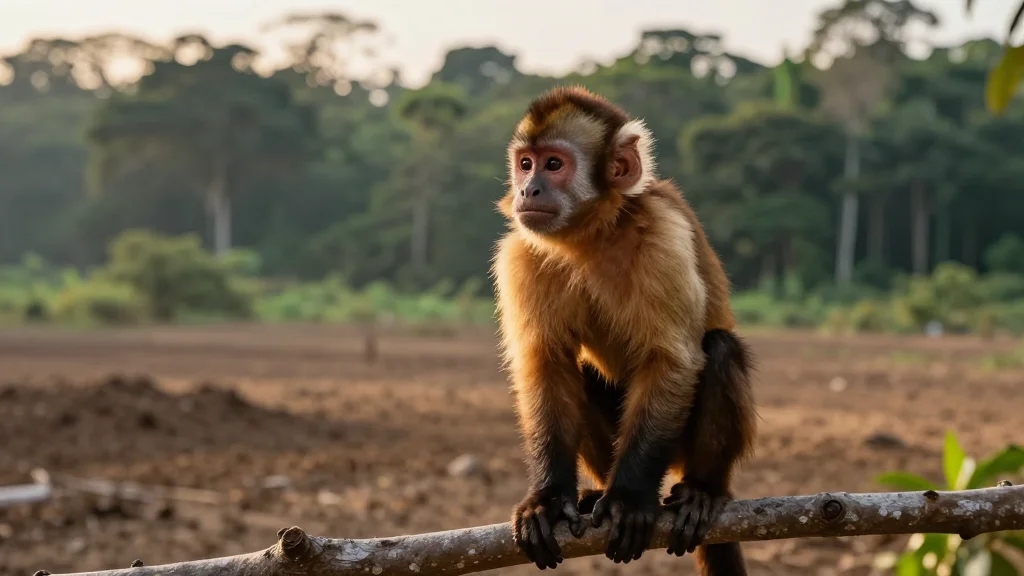
Amazon's Monkeys Have Contracted a Deadly Disease From Us
Why It Matters
The detection of HBV in New World primates signals a potential new animal reservoir, heightening zoonotic spillback risks and complicating both conservation and public‑health strategies in the Amazon.
Key Takeaways
- •HBV detected in 35% of monkeys near deforested regions
- •No infections found in 39 monkeys from remote Amazon sites
- •Virus genotypes match local human HBV strains, indicating spillover
- •Pet trade and forest edge proximity suspected transmission pathways
- •Study urges deforestation halt and buffer zones to protect ecosystems
Pulse Analysis
The discovery that Amazonian monkeys are carrying hepatitis B marks the first documented case of the virus in New World primates, expanding the known host range beyond African and Asian apes. Researchers analyzed blood and liver samples from 88 individuals across 28 species, finding a 35% infection rate in monkeys from the Rondonia and Mato Grosso states—areas heavily altered by logging, mining and settlement. By contrast, samples from the pristine upper Japurá River showed no evidence of HBV, reinforcing the link between human disturbance and pathogen spillover.
Deforestation and the accompanying human encroachment create novel interfaces where pathogens can jump between species. The study points to several plausible routes: illegal pet trade that moves infant primates from forest to households, contamination of water sources, and increased contact at forest edges where hunters, loggers and nearby towns intersect with wildlife habitats. With an estimated three million primates harvested annually for subsistence, the Amazon’s dense human‑wildlife interactions could foster a sustainable HBV reservoir, complicating eradication efforts and raising the specter of reverse zoonosis—where infected animals re‑introduce the virus to humans.
Policy implications are immediate. Conservationists and health officials must prioritize the establishment of buffer zones that separate expanding urban settlements from core forest blocks, while strengthening disease surveillance in both human and wildlife populations. Integrating veterinary virology into Amazonian public‑health frameworks could detect early signs of cross‑species transmission, informing targeted interventions such as vaccination campaigns for at‑risk communities. Ultimately, curbing deforestation not only preserves biodiversity but also mitigates the emergence of novel disease threats that could reverberate far beyond the rainforest.
Amazon's monkeys have contracted a deadly disease from us
Comments
Want to join the conversation?
Loading comments...