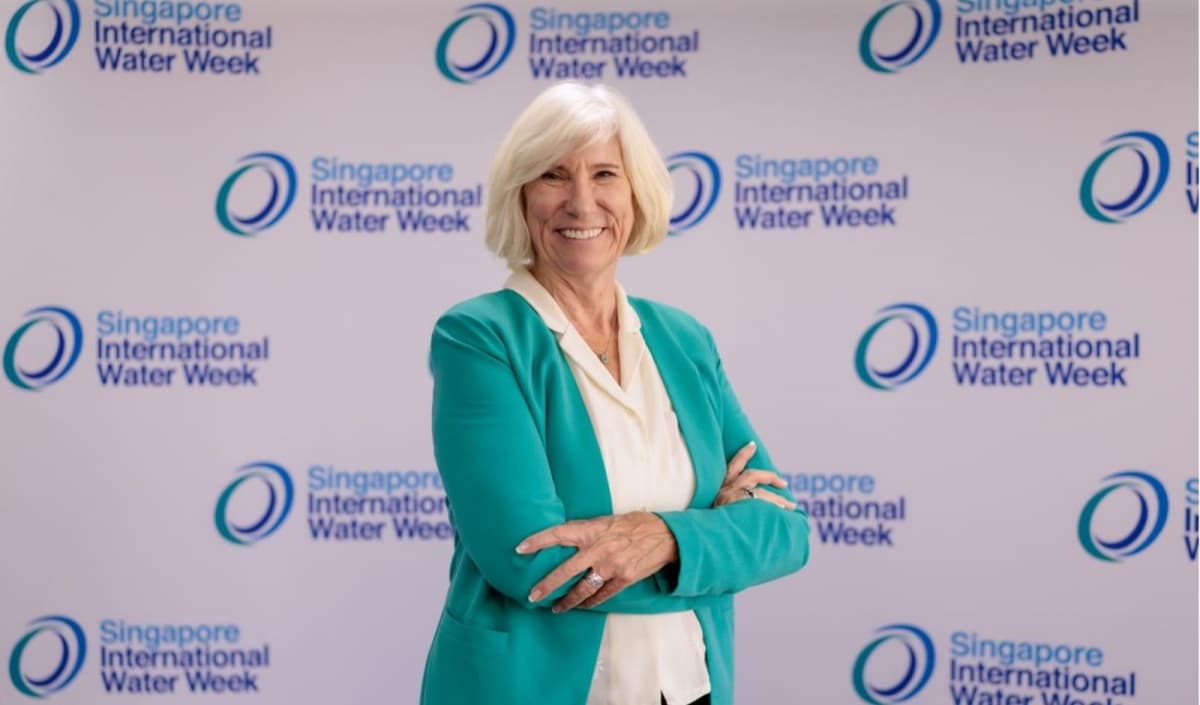
American Microbiologist Wins Lee Kuan Yew Water Prize
Companies Mentioned
Why It Matters
Rose’s QMRA framework reshapes how utilities assess microbial threats, improving public‑health protection and enabling sustainable water‑reuse solutions worldwide.
Key Takeaways
- •Rose pioneered QMRA, now standard in US EPA and WHO guidelines
- •QMRA enables proactive, risk‑based water treatment decisions worldwide
- •Her work underpins Singapore’s NEWater and global water‑reuse regulations
- •Award includes $222,000 USD prize, gold medallion, and certificate
- •QMRA Summer Institute has trained over 400 water safety professionals
Pulse Analysis
Quantitative Microbial Risk Assessment, the brainchild of Professor Joan Bray Rose, has become the cornerstone of modern water safety. By quantifying pathogen concentrations, exposure pathways and infection probabilities, QMRA shifts water management from a "detect‑and‑correct" mindset to a "predict‑and‑prevent" strategy. This scientific rigor not only curbed historic outbreaks—such as the 1993 Milwaukee Cryptosporidiosis crisis—but also provided regulators with a transparent, data‑driven tool to set tolerable risk thresholds. The adoption of QMRA by the U.S. EPA and the World Health Organization underscores its global credibility and its role in safeguarding billions of liters of drinking water daily.
Beyond drinking water, Rose extended QMRA to reclaimed and reused water, bolstering confidence in technologies like Singapore’s NEWater and California’s direct potable reuse schemes. Her advisory work helped craft regulations that treat treated wastewater as a reliable supply, addressing acute water scarcity in arid regions. The framework’s flexibility allows utilities to evaluate treatment options—such as reverse osmosis, ultraviolet disinfection, and ozonation—based on quantified health outcomes, accelerating the transition toward circular water economies worldwide.
The Lee Kuan Yew Water Prize spotlights Rose’s lasting impact as water utilities confront climate‑driven challenges and emerging pathogens. With the prize’s $222,000 USD award and a platform at Singapore International Water Week, her insights will reach 2,500 industry leaders and 25,000 trade visitors, shaping policy and investment decisions for the next decade. As cities prioritize resilience, QMRA’s predictive power will be essential for designing robust, adaptive water systems that protect public health while conserving precious resources.
American microbiologist wins Lee Kuan Yew Water Prize
Comments
Want to join the conversation?
Loading comments...