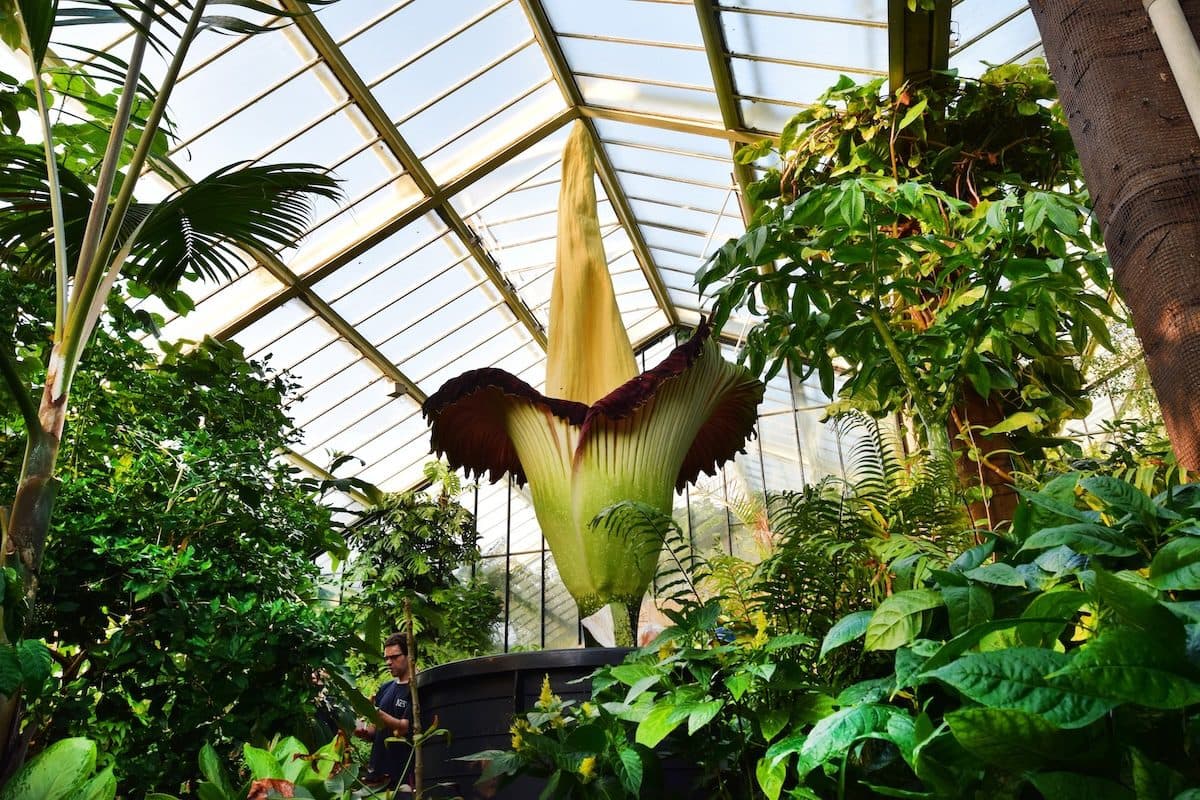
Among Flowering Plants, Thousands of Evolutionary Oddities at Risk of Extinction
Why It Matters
Losing these deep branches erases unique genetic resources that could fuel future medicines while further degrading global biodiversity and ecosystem resilience.
Key Takeaways
- •Over 10,000 flowering plants flagged for urgent conservation.
- •20% of evolutionary history of angiosperms faces extinction.
- •Rare lineages include corpse flower, jellyfish tree, Saint Helena salad plant.
- •Study used modeling to assess species lacking formal IUCN evaluations.
- •Potential loss includes undiscovered compounds for future drugs and antibiotics.
Pulse Analysis
The study’s focus on phylogenetic diversity marks a shift from counting species to preserving the branches of the tree of life. By quantifying each plant’s evolutionary isolation, scientists can spotlight taxa that embody millions of years of genetic experimentation. This approach, combined with predictive modeling for data‑deficient species, offers a more nuanced map of biodiversity risk than traditional red‑list metrics alone, highlighting hidden vulnerabilities in the world’s flora.
Conservation agencies can now prioritize funding toward the identified 10,000 high‑risk species, many of which inhabit remote islands or specialized habitats. Protecting the corpse flower of Sumatra, the jellyfish tree of the Seychelles, or Saint Helena’s endemic salad plant requires coordinated efforts ranging from habitat restoration to ex‑situ seed banking. The findings also underscore the need for international policy mechanisms that recognize evolutionary distinctiveness as a criterion for allocating limited resources, ensuring that the most irreplaceable lineages receive immediate attention.
Beyond ecological value, these ancient lineages may harbor biochemical pathways yet untapped by modern science. Researchers warn that the extinction of a single deep branch could eliminate the source of the next breakthrough cancer drug or antibiotic. By integrating evolutionary‑distinctiveness data into biotech scouting, governments and private firms can create incentives for preserving genetic reservoirs. In sum, safeguarding these oddities is both a moral imperative for biodiversity and a strategic investment in future human health and innovation.
Among Flowering Plants, Thousands of Evolutionary Oddities at Risk of Extinction
Comments
Want to join the conversation?
Loading comments...