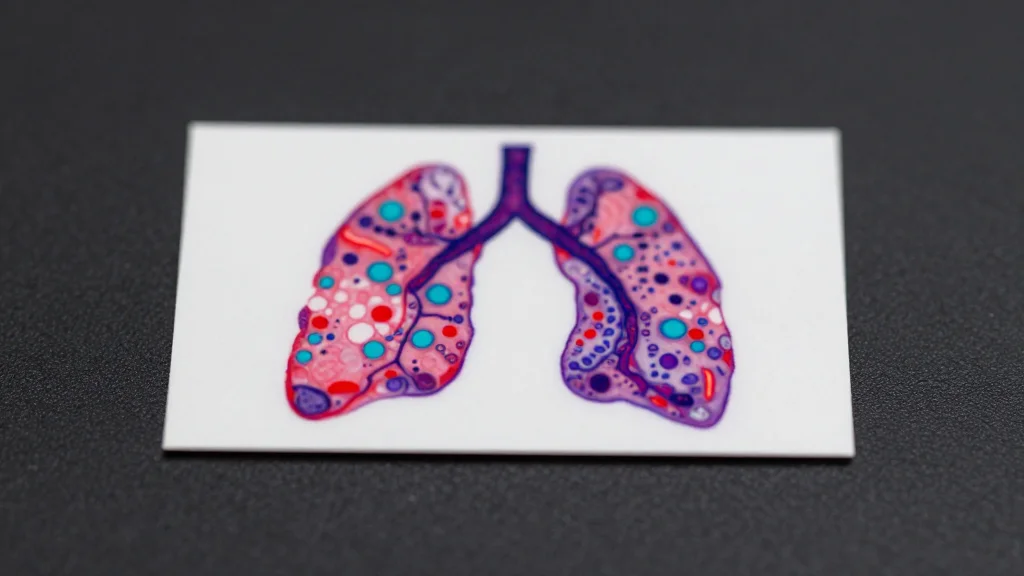
Analyses of Human Lungs Reveal Seven Subphenotypes of Pneumonia
Why It Matters
Subphenotyping pneumonia at the tissue level enables personalized treatment strategies, potentially improving survival and reducing long‑term lung damage.
Key Takeaways
- •Seven pneumonia subphenotypes identified via lung tissue histopathology.
- •Machine‑learning clustered 20 histologic features from hundreds of autopsies.
- •Each subtype correlates with specific microbes and immune cell patterns.
- •Similar subgroups observed in experimental animal lung models.
- •Biomarker development aims to tailor host‑directed therapies.
Pulse Analysis
Pneumonia remains a leading cause of infection‑related death in the United States, especially among older adults, and its aftermath often includes chronic lung impairment. Traditional diagnostic pathways rely on clinical signs, chest radiographs, and microbial cultures, which provide limited insight into the underlying tissue damage. As the disease progresses, heterogeneous inflammatory responses and structural injury can dictate divergent clinical trajectories, prompting researchers to seek a more granular, biology‑driven classification that could inform targeted interventions.
In a landmark study published in the American Journal of Respiratory and Critical Care Medicine, investigators from Boston University examined the lungs of several hundred deceased patients with pneumonia using multiple microscopy techniques. By scoring twenty distinct histopathological features and applying unsupervised machine‑learning clustering, they delineated seven reproducible subphenotypes, each characterized by unique patterns of cellular injury, microbial presence, and immune cell infiltration. Parallel analyses in rodent models reproduced the same clusters, suggesting that these tissue‑level signatures transcend species and may reflect fundamental pathways of pulmonary injury.
The identification of histology‑based subphenotypes opens a pathway toward precision pneumonia care. If circulating biomarkers can reliably signal a patient’s underlying tissue pattern, clinicians could stratify risk, select host‑directed therapies, and avoid one‑size‑fits‑all antibiotics that fuel resistance. Moreover, pharmaceutical development may focus on modulating the specific inflammatory circuits that define each subgroup, potentially reducing mortality and long‑term sequelae such as COPD exacerbations. Ongoing work will validate these clusters in living patients and integrate them with imaging and genomic data, heralding a new era of biologically informed respiratory medicine.
Analyses of human lungs reveal seven subphenotypes of pneumonia
Comments
Want to join the conversation?
Loading comments...