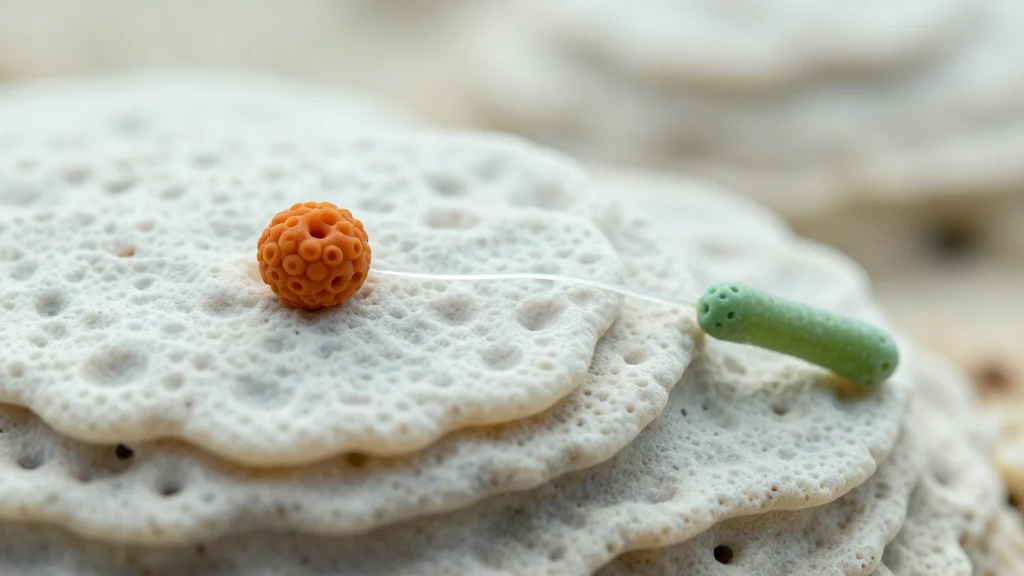
Ancient Asgard Archaeon Discovered in Shark Bay Illuminates Origin of Complex Life

Why It Matters
Understanding how eukaryotic cells originated is central to biology because all multicellular life—including plants, animals, and fungi—relies on the complex cellular machinery that emerged from that transition. By providing a tangible example of archaeal–bacterial cooperation, the Shark Bay discovery bridges a gap between molecular phylogenetics and observable cellular behavior, offering a testable framework for theories that have long been speculative. Beyond evolutionary insight, the work has practical implications for biotechnology. Asgard archaea possess unique lipid membranes and metabolic enzymes that could inspire new bio‑catalysts or synthetic biology platforms. Culturing these organisms opens a pathway to explore their biochemical repertoire in the lab, potentially leading to novel applications in energy production, carbon capture, or drug discovery.
Key Takeaways
- •Researchers cultured a living Asgard archaeon (*Nerearchaeum marumarumayae*) from Shark Bay stromatolites.
- •Electron cryotomography showed nanotube connections between the archaeon and a sulfate‑reducing bacterium.
- •The partnership provides the first visual model of the symbiosis hypothesized to have birthed eukaryotic cells.
- •Only four groups worldwide have successfully cultivated any Asgard lineage, highlighting the breakthrough's rarity.
- •Future work will sequence both genomes and investigate the biochemical exchange across the nanotubes.
Pulse Analysis
The Shark Bay breakthrough arrives at a moment when the field of evolutionary microbiology is grappling with competing narratives about eukaryogenesis. For decades, the ‘syntrophic partnership’ model—where an archaeon and a bacterium exchange metabolites—has competed with the ‘phagocytosing archaeon’ hypothesis, which posits that an archaeal cell engulfed a bacterial partner. By delivering direct structural evidence of a physical bridge, the new study tilts the balance toward the former, suggesting that intimate, nanotube‑mediated cooperation could have been a low‑energy, incremental step toward cellular complexity.
Historically, the Asgard superphylum has been a phylogenetic curiosity, identified through metagenomic surveys but rarely observed in culture. The ability to grow these organisms now transforms them from abstract sequence data into experimental systems. This shift mirrors the earlier transition when cyanobacteria were first cultured, unlocking insights into photosynthesis and oxygenation. Asgard cultures could similarly become workhorses for probing the evolution of eukaryotic traits such as cytoskeletal proteins, endomembrane systems, and lipid biosynthesis.
Looking ahead, the discovery may catalyze a wave of targeted sampling in other ancient microbial habitats. Funding agencies are likely to prioritize expeditions that combine fieldwork with high‑resolution imaging and AI‑driven protein modeling, as demonstrated in the current study. If subsequent work confirms that nanotube‑mediated exchanges are widespread among Asgard lineages, the paradigm shift could ripple into synthetic biology, where engineered microbial consortia might mimic early evolutionary strategies to achieve novel metabolic capabilities. The Shark Bay find thus not only rewrites a chapter of Earth’s deep past but also sketches a roadmap for future biotechnological innovation.
Ancient Asgard Archaeon Discovered in Shark Bay Illuminates Origin of Complex Life
Comments
Want to join the conversation?
Loading comments...