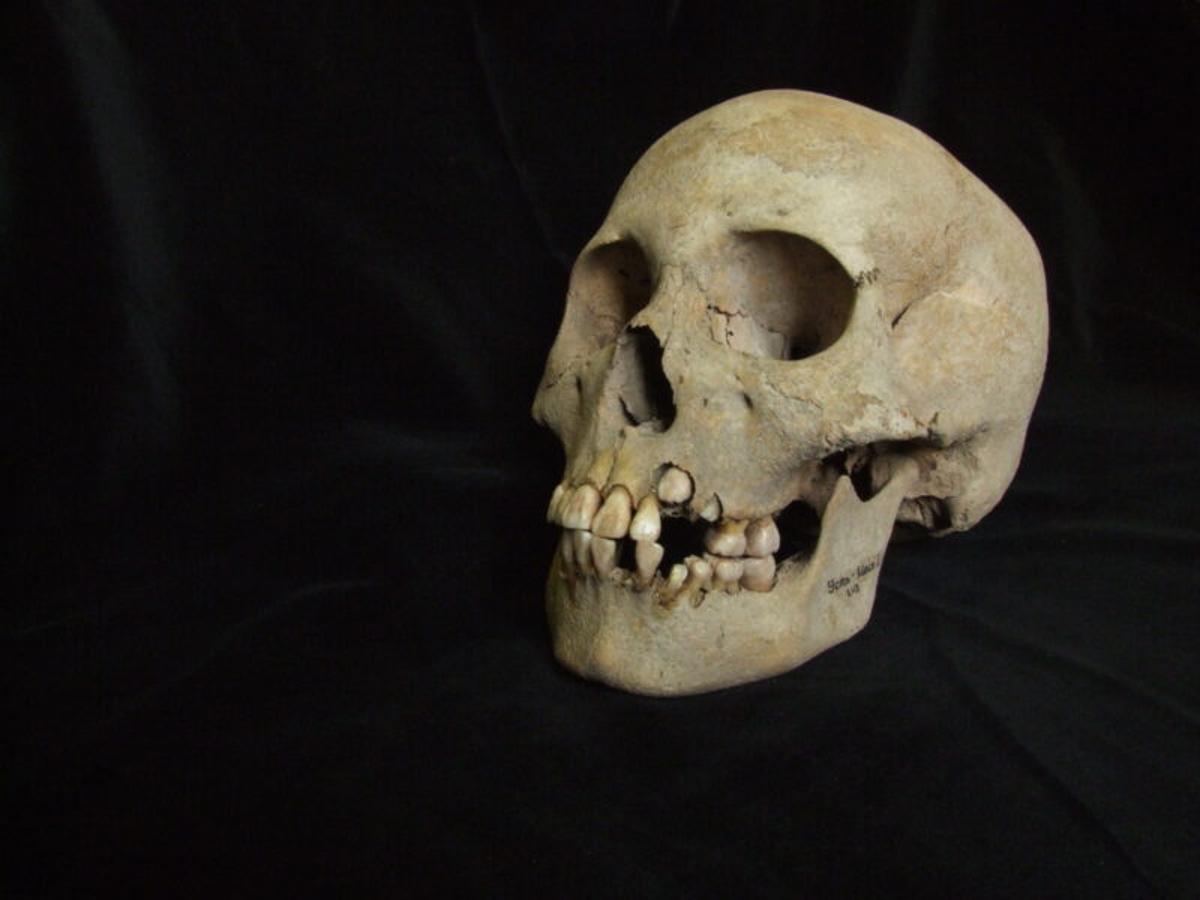
Ancient DNA Offers Clues to One of History’s Deadliest Diseases
Why It Matters
The discovery proves deadly plague could arise in small, mobile societies, overturning the belief that large settlements were a prerequisite for major epidemics. It refines the timeline of Y. pestis evolution and informs modern disease‑surveillance models that consider wildlife reservoirs.
Key Takeaways
- •Plague DNA found in 18 of 42 Siberian hunter‑gatherers
- •Outbreaks date to 5,520–4,235 years ago, oldest known human plague
- •Children aged 8‑11 suffered highest mortality in these epidemics
- •Evidence suggests marmot contact sparked initial infections, then person‑to‑person spread
- •Findings challenge view that large settlements were required for deadly epidemics
Pulse Analysis
The new Nature study pushes the origin of plague back over five millennia, making it the earliest confirmed human epidemic of Yersinia pestis. By extracting and sequencing pathogen DNA from skeletal remains, scientists reconstructed two distinct outbreak waves among Lake Baikal hunter‑gatherers. This ancient genomic evidence not only fills a chronological gap left by earlier European finds but also demonstrates that the bacterium was already capable of causing widespread mortality long before agriculture reshaped human societies.
Beyond dating, the research reshapes our understanding of disease ecology in pre‑agricultural contexts. The investigators linked the initial spillover to marmots, a known natural reservoir, highlighting how close human‑wildlife interactions can ignite pandemics even in sparsely populated groups. Subsequent person‑to‑person transmission, inferred from familial burial patterns, shows that social structures—family clusters and shared graves—facilitated spread. These insights challenge the long‑standing narrative that dense urban centers and domesticated animals were essential for lethal outbreaks, suggesting that pathogen virulence and wildlife contacts were sufficient drivers.
For contemporary public health, the findings underscore the importance of monitoring zoonotic threats in remote and low‑density populations. Modern plague reservoirs still exist in Central Asian rodents, and the ancient data illustrate how quickly a pathogen can move from wildlife to humans and then within human networks. Integrating paleogenomics with epidemiological models can improve predictions of spillover events, guiding surveillance strategies that account for both ecological and social transmission pathways. As climate change alters wildlife habitats, the study serves as a reminder that ancient patterns can inform present‑day preparedness.
Ancient DNA offers clues to one of history’s deadliest diseases
Comments
Want to join the conversation?
Loading comments...