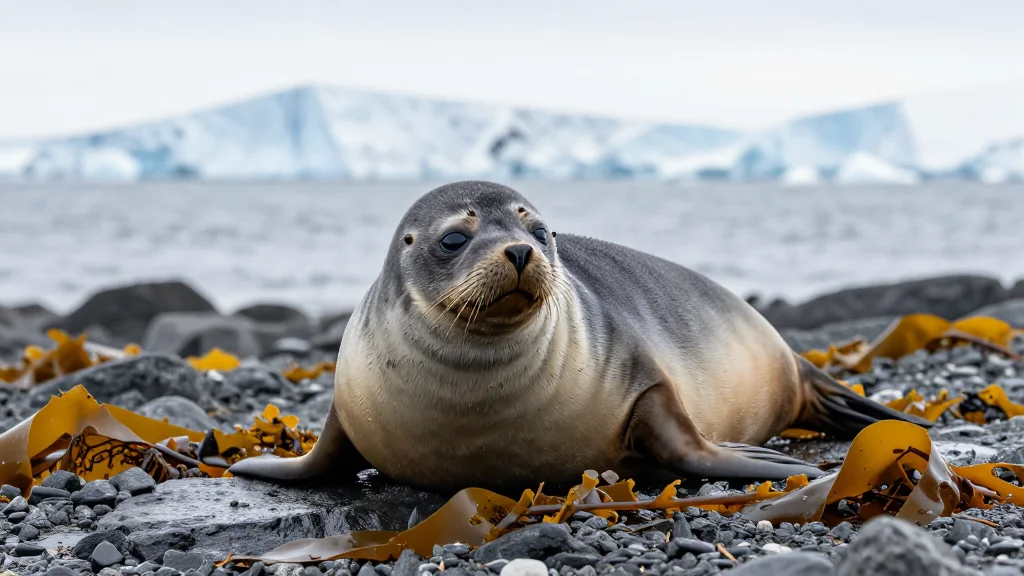
Antarctic Fur Seals Now Endangered as Climate Change Reduces Krill for Pups
Why It Matters
These listings signal accelerating ecosystem disruption that threatens biodiversity, fisheries sustainability, and the economic value of Antarctic tourism and aquaculture feed industries. They also pressure governments and seafood companies to tighten krill harvest limits, reshaping Southern Ocean resource management.
Key Takeaways
- •Population fell 50% since 1999, now 944,000.
- •Warmer seas push krill deeper, reducing seal food supply.
- •Norway plans to double Southern Ocean krill catch limit.
- •Seal pups under one year face highest mortality.
- •IUCN also upgraded several Arctic seals and emperor penguin.
Pulse Analysis
The dramatic decline of Antarctic fur seals illustrates how climate‑driven ocean changes ripple through the Southern Ocean food web. Warmer surface temperatures and retreating sea ice force krill—once abundant near the surface—into deeper, colder layers, making them less accessible to surface‑feeding predators. This shift not only curtails the energy intake of adult seals but also deprives vulnerable pups of the high‑fat prey they need for rapid growth, driving the observed 50% population drop.
At the same time, commercial krill harvesting is intensifying. Norway’s 2025 proposal to double the Southern Ocean catch limit threatens to siphon a significant share of the already‑scarce krill stock, intensifying competition between wildlife and the aquaculture feed industry. Fisheries managers now face a delicate balancing act: protecting a keystone species while meeting growing demand for sustainable protein sources. Stricter quotas, real‑time monitoring, and ecosystem‑based management could mitigate the pressure on seals and preserve the broader marine ecosystem.
The fur‑seal assessment is part of a larger pattern of ice‑dependent species being pushed toward extinction, including Arctic seals and the emperor penguin. These coordinated listings amplify calls for aggressive greenhouse‑gas reductions and international cooperation on marine conservation. For investors and policymakers, the news underscores the financial risks tied to climate inaction and unsustainable fishing practices, while highlighting opportunities for green financing and innovative, low‑impact seafood alternatives.
Antarctic fur seals now endangered as climate change reduces krill for pups
Comments
Want to join the conversation?
Loading comments...