Why It Matters
Early colonization with clinically important ARGs could predispose vulnerable neonates to resistant infections and challenges in empiric therapy. Understanding transmission pathways is crucial for infection‑control strategies in NICUs.
Key Takeaways
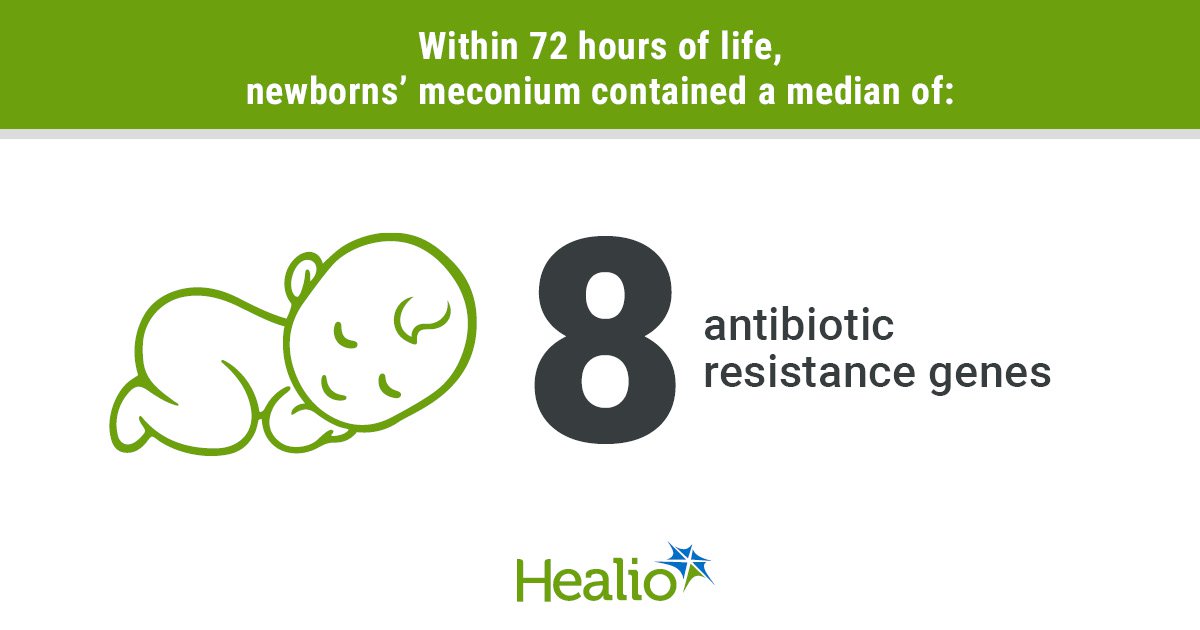
- •Median eight antibiotic‑resistance genes detected per newborn meconium sample.
- •Quinolone‑resistance genes present in nearly all infants studied.
- •Maternal hospitalization raised macrolide‑streptogramin gene odds >4‑fold.
- •Central venous catheters linked to fourfold increase in ARG count.
- •Resuscitation associated with 80% fewer ARGs than no resuscitation.
Pulse Analysis
Antibiotic resistance remains a top public‑health threat, and the neonatal period is a critical window for microbial colonization. While most attention has focused on post‑natal antibiotic exposure, recent molecular surveys reveal that the resistome— the collection of resistance genes—can be seeded before or immediately after birth. This early colonization sets a baseline that may influence how newborns respond to infections, especially in intensive‑care settings where vulnerable infants receive broad‑spectrum antibiotics.
The Greek study presented at ESCMID Global examined 105 meconium samples collected within three days of delivery, using DNA sequencing to catalog ARGs. A median of eight resistance genes per infant, with near‑universal quinolone‑resistance and notable beta‑lactamase and carbapenem‑resistance frequencies, underscores the pervasiveness of these determinants. Statistical analysis linked maternal hospitalization and invasive procedures such as central venous catheters to higher ARG loads, while resuscitation appeared protective, perhaps reflecting differing exposure pathways. These associations hint at both vertical transmission from mother and rapid acquisition from the hospital environment.
For clinicians and policymakers, the data raise urgent questions about infection‑prevention protocols in NICUs. Routine surveillance of the neonatal resistome could inform targeted stewardship, while maternal screening and optimized delivery practices might curb early ARG transfer. Further research pairing molecular findings with phenotypic susceptibility and long‑term clinical outcomes will be essential to determine whether early ARG carriage translates into higher infection rates or treatment failures. In the meantime, heightened vigilance and interdisciplinary collaboration are needed to protect the most vulnerable patients from the growing tide of antimicrobial resistance.
Antibiotic resistance genes found in newborns’ stool
Comments
Want to join the conversation?
Loading comments...