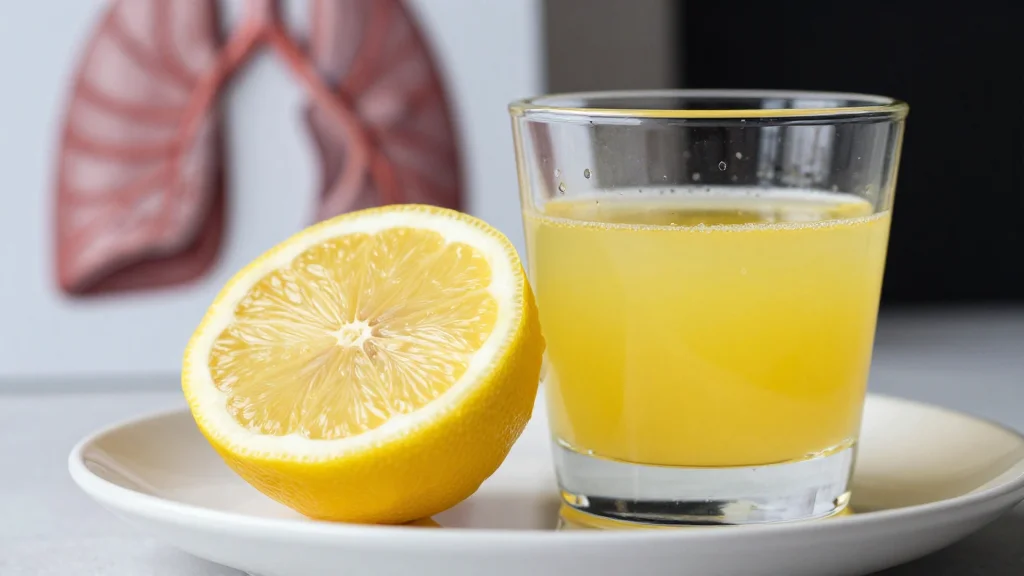
Antioxidant, Anti-Inflammatory, and Immunomodulatory Pathways of Citrus Limon Juice in a Respiratory-Irritated Rat Model.
Companies Mentioned
Why It Matters
The findings suggest that lemon‑derived flavonoids could serve as affordable, diet‑based interventions for inflammatory lung conditions, a pressing need amid rising respiratory disease rates worldwide.
Key Takeaways
- •High‑dose lemon juice (6 mL kg⁻¹) outperformed low dose in rats
- •Antioxidant enzymes SOD, CAT, GPx significantly increased with lemon treatment
- •TNF‑α, IL‑6, and CRP levels returned to near‑normal levels
- •Neutrophil‑to‑lymphocyte ratio normalized, indicating reduced systemic inflammation
- •Body‑weight gain recovered, showing overall health improvement
Pulse Analysis
Respiratory illnesses remain a leading cause of mortality, driven in part by oxidative stress and chronic inflammation from pollutants, smoking and viral infections. Nutrition scientists have long explored phytochemicals that can bolster the body’s antioxidant defenses, and citrus fruits—especially lemons—are rich in vitamin C and flavonoids such as hesperidin and quercetin. These compounds neutralize free radicals, modulate immune signaling, and have been linked to lower incidence of airway hyper‑reactivity, positioning them as promising nutraceutical candidates for lung health.
In a controlled experiment, male Wistar rats were divided into five groups, including normal, saline‑treated, glycolic‑acid‑induced model, and two lemon‑juice treatment arms receiving 3 mL kg⁻¹ or 6 mL kg⁻¹ daily. After three weeks, the acid‑challenged rats displayed elevated total leukocyte counts, heightened neutrophil percentages, and spikes in TNF‑α, IL‑6 and C‑reactive protein. The high‑dose lemon group reversed these trends: antioxidant enzymes (SOD, CAT, glutathione‑peroxidase) rose significantly, cytokine levels normalized, and lung histology showed only mild or no lesions. Moreover, the neutrophil‑to‑lymphocyte ratio and body‑weight trajectories returned to baseline, underscoring a systemic anti‑inflammatory effect.
The study’s implications extend beyond the laboratory. As consumers seek natural ways to support respiratory resilience, lemon‑based functional foods and supplements could capture a growing market, especially in regions like Saudi Arabia where air‑quality challenges are acute. While animal data are encouraging, human clinical trials are needed to confirm dosing, bioavailability, and long‑term safety. Nonetheless, the research adds robust evidence that citrus flavonoids can modulate key inflammatory pathways, offering a cost‑effective adjunct to conventional therapies for conditions ranging from asthma to chronic obstructive pulmonary disease.
Antioxidant, anti-inflammatory, and immunomodulatory pathways of Citrus limon juice in a respiratory-irritated rat model.
Comments
Want to join the conversation?
Loading comments...