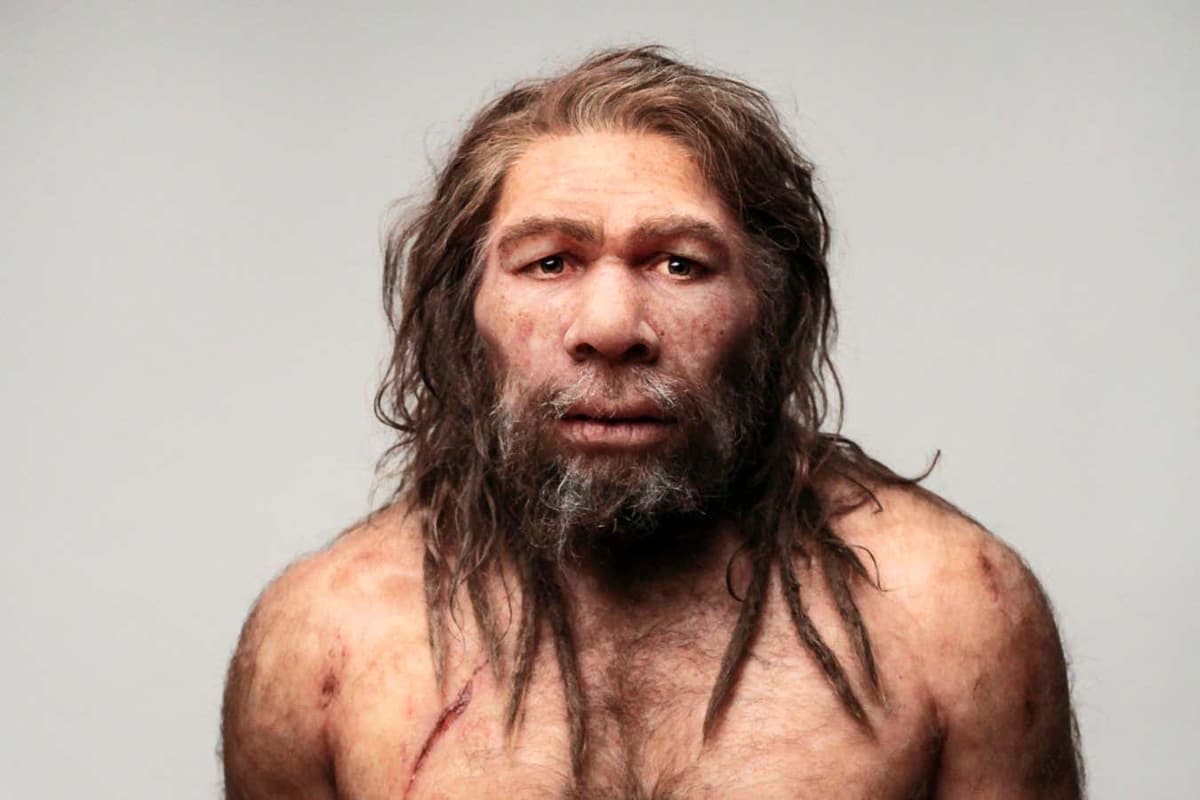
Are Neanderthals Descendants of Modern Humans?
Why It Matters
If Neanderthals derived from modern humans, it would rewrite human evolutionary trees and affect how we interpret genetic exchange and cultural transmission among ancient hominins.
Key Takeaways
- •New hypothesis suggests Neanderthals descended from Homo sapiens
- •Genetic‑archaeology gap fuels debate over species origins
- •Tar wound treatment indicates advanced Neanderthal medical knowledge
- •Evidence of art, butchery, and water travel expands cultural profile
Pulse Analysis
Neanderthal origins have long been framed as a side branch of the hominin family tree, diverging from a common ancestor with modern humans roughly 600,000 years ago. Marshall’s latest column challenges that paradigm by suggesting a reverse scenario: that anatomically modern humans may have given rise to Neanderthals through a yet‑unidentified back‑migration or cultural diffusion event. While genome sequencing consistently shows only 1‑2 % Neanderthal DNA in non‑African modern populations, the genetic record also reveals complex, bidirectional gene flow that could support more nuanced lineages.
Archaeological discoveries over the past months reinforce the idea that Neanderthals possessed capabilities once thought exclusive to Homo sapiens. The application of birch‑bark tar with antibiotic properties to treat wounds demonstrates a sophisticated understanding of natural chemistry. An ochre‑based yellow crayon points to symbolic expression, while a well‑preserved skull suggests nasal anatomy adapted to milder climates, contradicting the cold‑adaptation narrative. Moreover, cut marks on German elephant bones and possible water‑crossing routes hint at organized hunting and mobility strategies previously uncredited to Neanderthals.
Recasting Neanderthals as descendants of modern humans would have profound implications for evolutionary models, forcing scholars to reassess the directionality of cultural and genetic exchange. It could also reshape public perception, positioning Neanderthals not as primitive cousins but as a derived offshoot with shared heritage. Future research will likely focus on high‑resolution ancient DNA from understudied sites and interdisciplinary syntheses that bridge the genetic‑archaeological divide. Such efforts promise to clarify whether the emerging hypothesis reflects a genuine reversal or merely highlights the complexity of our species’ past.
Are Neanderthals descendants of modern humans?
Comments
Want to join the conversation?
Loading comments...