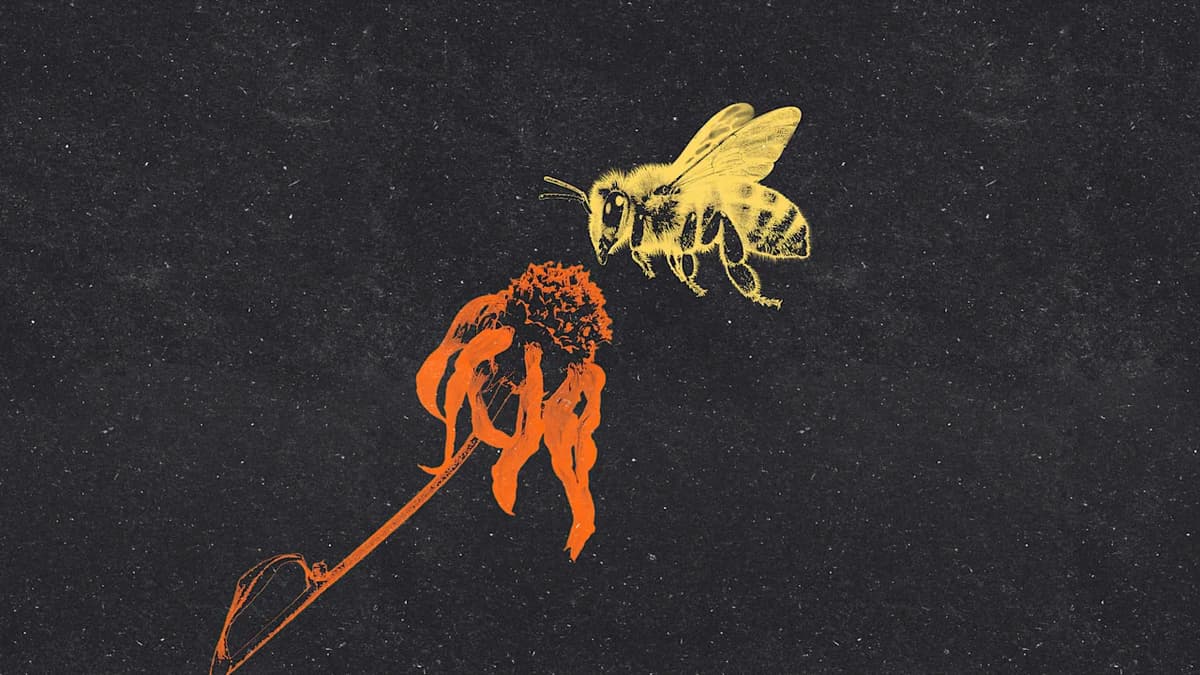
Are the Bees Still Dying? The Scary Truth Behind the Continuing ‘Beepocalypse’
Why It Matters
Bee pollination underpins $15 billion of U.S. crop production; sustained losses jeopardize food security and the livelihood of beekeepers.
Key Takeaways
- •62% of commercial colonies died last winter, per nationwide data.
- •Average winter losses over two decades hit 30‑40% for beekeepers.
- •Colony collapse disorder rarer now, but chronic winter mortality persists.
- •Economic viability of commercial beekeeping threatened by sustained losses.
- •Wild pollinators face similar stressors, risking broader ecosystem services.
Pulse Analysis
The narrative of a "beepocalypse" began in the early 2000s when beekeepers first reported sudden, unexplained disappearances of adult workers—a phenomenon christened colony collapse disorder (CCD). While CCD incidents have declined thanks to improved management and research, the underlying stressors—pesticide exposure, nutritional deficits, and climate‑induced stress—have morphed into a more insidious pattern of winter mortality. Recent USDA‑sponsored surveys reveal that 62 % of commercial hives perished during the last winter, a stark uptick from the 30‑40 % losses that have plagued the sector for two decades.
These losses reverberate far beyond the apiary. Honeybees contribute to the pollination of roughly 75 % of U.S. fruit, nut and vegetable crops, translating to an estimated $15 billion in annual agricultural value. When colony numbers dwindle, growers face higher pollination costs, reduced yields, and greater reliance on costly alternative pollinators. For commercial beekeepers, the financial calculus becomes untenable: replacing lost colonies through splits or purchases inflates operational expenses, squeezing profit margins and prompting some operators to exit the market altogether.
Addressing the persistent decline requires a multi‑pronged strategy. Researchers are exploring probiotic supplements, breeding for disease‑resistant strains, and precision‑agriculture tools that limit pesticide drift. Policymakers are also considering stronger habitat protections and incentives for diversified forage planting. Crucially, safeguarding wild pollinators—solitary bees, butterflies, and hoverflies—adds redundancy to ecosystem services and buffers crops against managed‑bee volatility. Without coordinated investment in science, regulation, and on‑the‑ground stewardship, the silent erosion of pollinator populations could undermine both food security and rural economies.
Are the bees still dying? The scary truth behind the continuing ‘beepocalypse’
Comments
Want to join the conversation?
Loading comments...