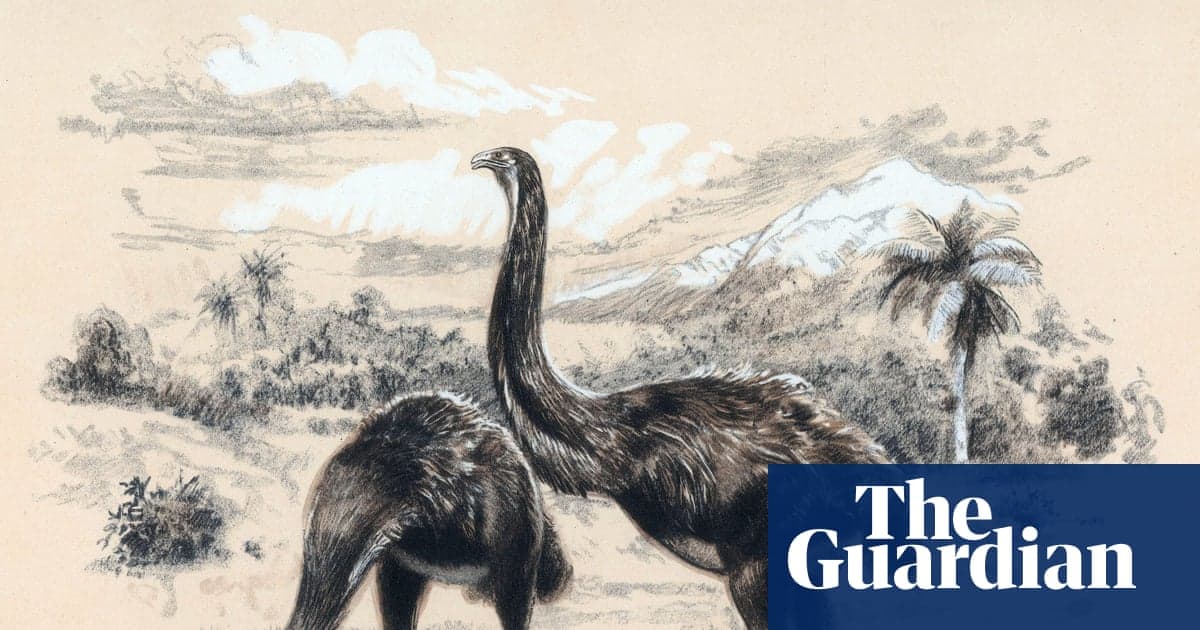
Artificial Eggshell Comes First in Attempt to Revive Giant Flightless Moa
Why It Matters
If successful, the platform could redefine large‑scale de‑extinction, opening commercial pathways for resurrecting extinct megafauna while raising profound scientific and ethical questions. The announcement also spotlights the tension between private biotech ambitions and the rigor of academic validation.
Key Takeaways
- •Colossal created a silicone membrane artificial eggshell for chicken incubation.
- •Moa eggs were ~80× chicken egg volume, posing scaling challenges.
- •Scientists demand peer‑reviewed data; skepticism remains high.
- •DNA degradation limits full genome reconstruction for a 600‑year‑old moa.
- •Ethical concerns arise over releasing genetically edited birds into New Zealand.
Pulse Analysis
The de‑extinction sector has surged in visibility, with Colossal Biosciences at the forefront after its high‑profile claims of reviving the dire wolf and targeting the woolly mammoth. Its latest announcement centers on an artificial eggshell—a silicone membrane that permits oxygen exchange comparable to a natural shell. By first proving the concept with chickens, Colossal hopes to demonstrate a scalable platform that could, in theory, accommodate the massive eggs of the extinct moa, a bird that once towered over three metres and laid eggs dwarfing those of any living species.
Technical hurdles, however, remain formidable. Moa eggs are estimated to be eighty times the volume of a chicken egg, demanding a vastly larger incubation environment and precise gas regulation. Moreover, the moa’s DNA has fragmented over six centuries, making a complete genome reconstruction unlikely; Colossal’s prior approach with the dire wolf involved editing a handful of genes rather than rebuilding an entire genome. The silicone membrane may improve oxygen diffusion, but without peer‑reviewed data, its efficacy at the required scale is unproven, and the survival rate of embryos in such artificial conditions is still uncertain.
Beyond the science, the venture raises ethical and commercial considerations. Critics argue that resurrecting extinct species could disrupt ecosystems, especially if reintroduced into habitats like New Zealand’s South Island. Investors are watching closely, as successful de‑extinction could unlock new markets in tourism, conservation, and biotech, while also exposing companies to regulatory scrutiny and public backlash. Colossal’s progress will likely serve as a litmus test for the broader industry’s ability to balance innovation with responsibility.
Artificial eggshell comes first in attempt to revive giant flightless moa
Comments
Want to join the conversation?
Loading comments...