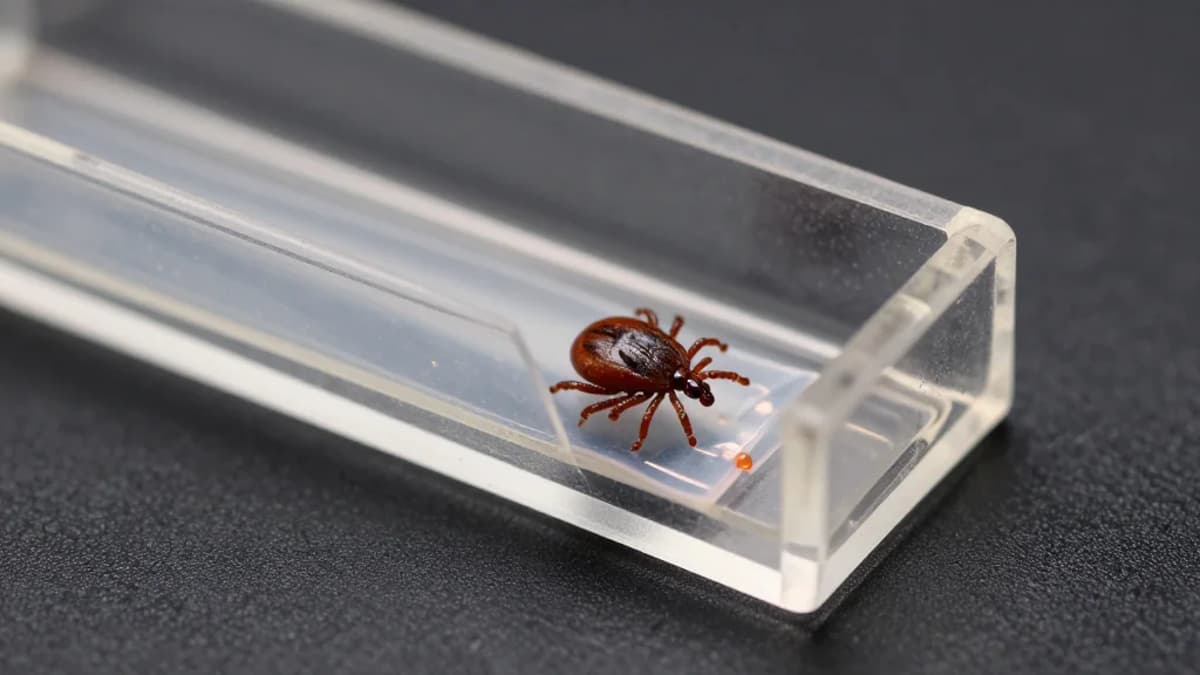
Artificial Feeding Platform Transforms Study of Ticks and Their Diseases
•March 6, 2026
0
Why It Matters
The platform transforms tick research by eliminating animal dependence, accelerating discovery of control measures for diseases affecting livestock and humans. It offers a scalable, ethical tool crucial as tick distributions expand globally.
Key Takeaways
- •First lab-based host‑free feeding system for bush ticks.
- •Enables reproducible tick research without live animal hosts.
- •Supports complete life cycle of Asian longhorned tick.
- •Facilitates high‑throughput testing of acaricides and vaccines.
- •Reduces cost, labor, and ethical concerns in tick studies.
Pulse Analysis
Tick‑borne diseases are a growing public‑health and agricultural threat, amplified by climate change, land‑use shifts, and global trade. Traditional research relies on live animals, which introduces variability, raises ethical concerns, and limits experimental throughput. As a result, scientists have struggled to dissect tick‑pathogen interactions or rapidly screen interventions, slowing the development of vaccines and acaricides needed to protect livestock and human populations.
The University of Melbourne’s host‑free feeding platform sidesteps these hurdles by mimicking natural feeding through a thin silicone membrane infused with defibrinated cattle blood. By removing fibrin, the system prevents clotting while preserving essential nutrients, allowing adult Haemaphysalis longicornis to attach, engorge, and complete their reproductive cycle entirely in vitro. This reproducible environment eliminates host immune variability and grooming behavior, delivering consistent data across experiments and dramatically reducing the labor and cost associated with animal husbandry.
Beyond academic insight, the technology promises commercial impact. High‑throughput screening of novel acaricides, anti‑tick vaccines, and microbiome‑targeted therapies can now proceed under standardized conditions, accelerating product pipelines for biotech firms and agro‑chemical companies. Moreover, the platform’s adaptability to other tick species could broaden its utility as emerging vectors expand into new regions. In an era where vector‑borne diseases are expected to rise, such ethical, scalable tools are poised to become indispensable for integrated disease‑management strategies worldwide.
Artificial feeding platform transforms study of ticks and their diseases
0
Comments
Want to join the conversation?
Loading comments...