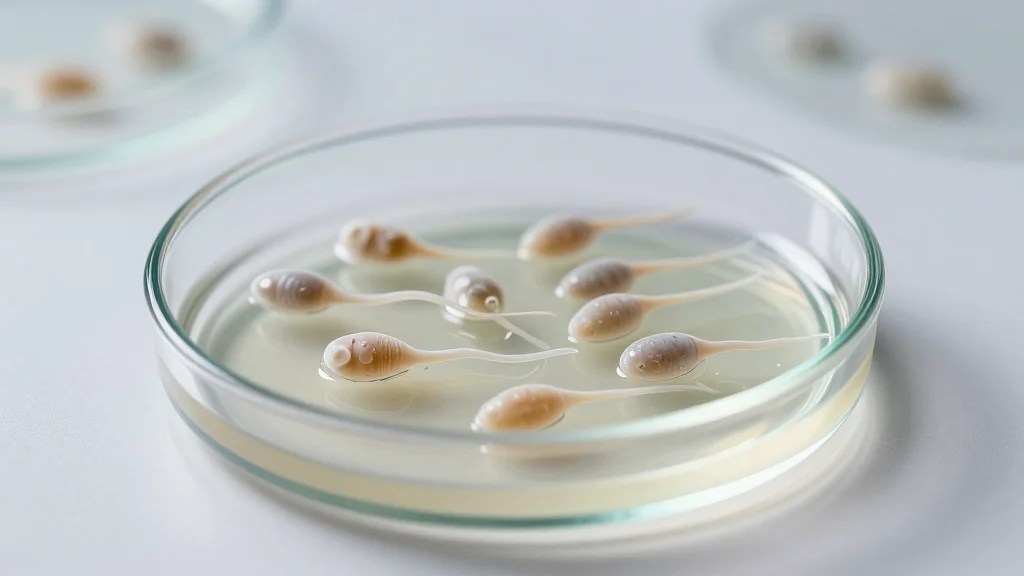
Artificial Sperm Research Presents Reproductive Medicine Potential
Why It Matters
Lab‑generated sperm could dramatically expand treatment options for male‑factor infertility, reducing dependence on donor sperm and reshaping the reproductive‑medicine market.
Key Takeaways
- •Paterna created lab‑grown human sperm that can fertilize eggs.
- •Sperm derived from induced pluripotent stem cells, mimicking natural function.
- •Goal: offer infertile couples a personalized reproductive solution.
- •Preclinical studies underway; clinical trials expected within next few years.
- •Success could disrupt donor sperm market and attract biotech funding.
Pulse Analysis
Infertility affects roughly 15% of couples worldwide, with male‑factor issues accounting for nearly half of cases. Traditional interventions—such as intrauterine insemination, in‑vitro fertilization, and donor sperm—often involve costly cycles, limited donor availability, and emotional complexity. As demand for more precise, patient‑specific solutions grows, the biotech sector has turned to cellular engineering to fill the gap, positioning lab‑derived gametes as a potential game‑changer for reproductive health.
Paterna Biosciences leverages induced pluripotent stem cells (iPSCs) to recreate the entire spermatogenesis pathway in vitro. By coaxing iPSCs through successive developmental stages, the company claims to produce mature sperm capable of penetrating an oocyte and initiating embryogenesis. This approach builds on a decade of academic research that demonstrated mouse sperm from stem cells, but translating the process to humans has remained elusive. Paterna’s reported success suggests a breakthrough in cell‑type fidelity, epigenetic reprogramming, and functional testing, marking a significant scientific milestone that could accelerate similar efforts across the fertility‑tech landscape.
If the technology clears safety and ethical hurdles, its market impact could be profound. A reliable source of autologous sperm would diminish reliance on donor banks, potentially lowering costs and expanding access for couples with rare genetic backgrounds. Investors are likely to view the platform as a high‑growth asset, spurring additional capital into reproductive biotech. Nonetheless, regulators will scrutinize long‑term outcomes for offspring, and bioethical debates about lab‑created gametes will intensify. Anticipated clinical trials within the next few years will set the tone for how quickly this innovation moves from the lab to the clinic, reshaping both the fertility industry and broader discussions on human reproductive engineering.
Artificial sperm research presents reproductive medicine potential
Comments
Want to join the conversation?
Loading comments...