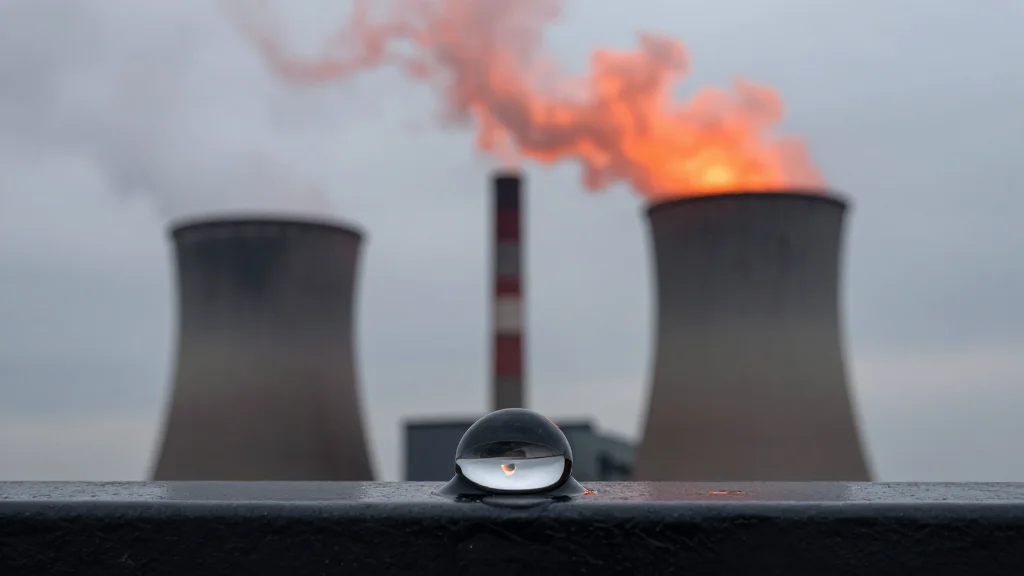
As Coal Rebounds, More Toxic Mercury Is in the Air
Why It Matters
Higher mercury output threatens public health, especially children’s brain development, and undermines decades of environmental progress. The policy shift also signals a broader rollback of emissions standards that could stall clean‑energy transition efforts.
Key Takeaways
- •2025 mercury emissions rose 9% to over 4,800 lb.
- •Trump policies push more coal use and block stricter controls.
- •Pentagon directed to purchase coal‑generated power, boosting demand.
- •J.H. Campbell plant forced to stay open, emitted 36 lb mercury.
- •Mercury exposure threatens children's brain development and public health.
Pulse Analysis
The rebound in coal‑generated electricity has reversed a steady decline in mercury emissions, a toxic by‑product linked to neurological damage. EPA data analyzed by the New York Times shows emissions climbing to more than 4,800 pounds in 2025, a 9% jump from the previous year. This uptick reflects a broader resurgence in coal demand as utilities scramble to meet higher power loads, a trend that could erode the gains made by earlier regulatory efforts aimed at curbing hazardous pollutants.
Policy decisions under the Trump administration have amplified the environmental impact. By encouraging coal combustion, reopening federal lands for mining, and directing the Department of Defense to source more coal‑powered electricity, the administration has created a feedback loop that sustains higher emissions. Simultaneously, it has stalled the implementation of stricter pollution controls slated for 2027 and forced plants slated for closure—such as Michigan’s J.H. Campbell facility—to remain online, directly contributing to the mercury surge. These moves illustrate how regulatory rollbacks can quickly translate into measurable increases in toxic output.
The public‑health ramifications are stark. Mercury exposure, even at low levels, impairs cognitive development in children and poses cardiovascular risks to adults. Communities near coal plants face heightened exposure, raising concerns for local schools and healthcare systems. Economically, the continued reliance on coal may delay investments in cleaner energy infrastructure, potentially increasing long‑term remediation costs. Stakeholders—from policymakers to investors—must weigh short‑term energy security against the mounting health and environmental toll of rising mercury emissions.
As Coal Rebounds, More Toxic Mercury Is in the Air
Comments
Want to join the conversation?
Loading comments...