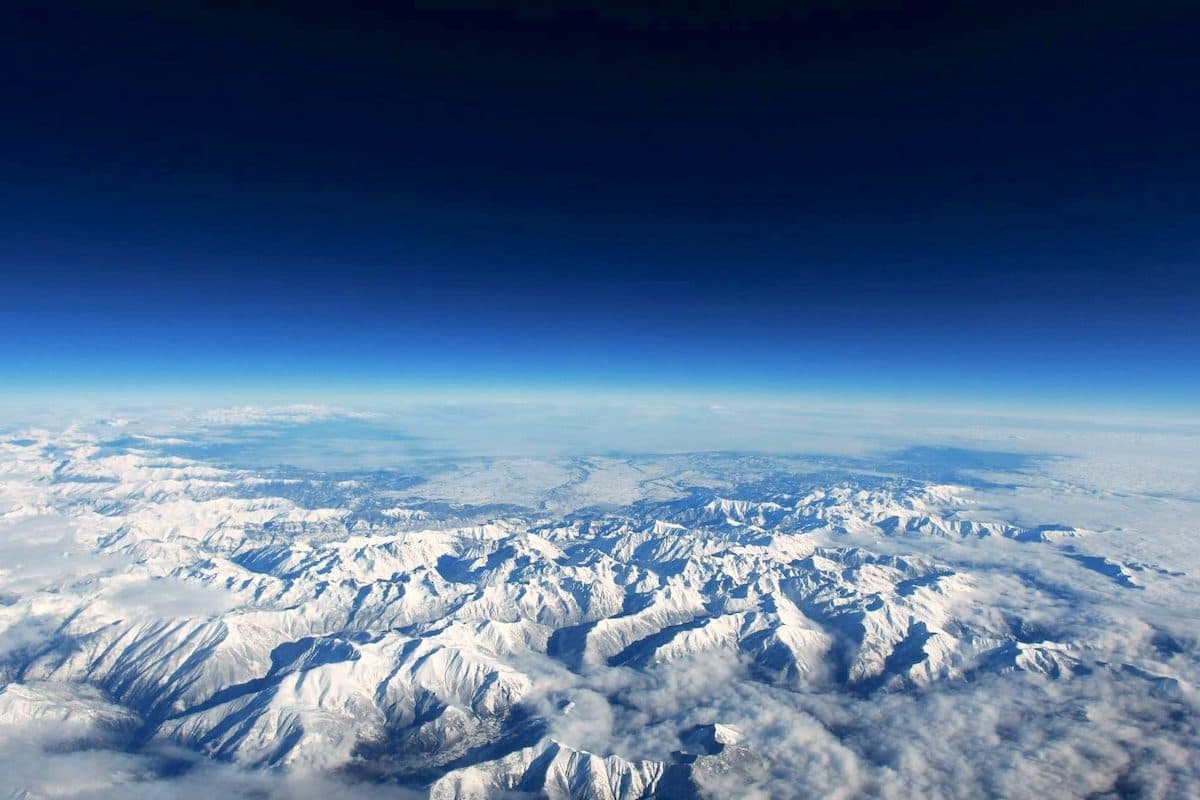
As the Planet Warms, Why Is the Upper Atmosphere Cooling?
Why It Matters
Stratospheric cooling is a direct atmospheric response to rising CO₂, influencing ozone chemistry, satellite stability, and serving as a key climate‑change indicator.
Key Takeaways
- •Stratospheric temperatures fell ~2 °C since the 1980s.
- •CO₂ increase enhances infrared heat loss from thin upper air.
- •Study links cooling to higher radiative efficiency in stratosphere.
- •Cooling may slow ozone layer healing and disrupt satellite orbits.
- •Stratospheric cooling serves as a clear fingerprint of climate change.
Pulse Analysis
The upper atmosphere behaves opposite to the surface because carbon dioxide, the primary greenhouse gas, both absorbs and re‑emits infrared radiation. In the dense troposphere, re‑emitted heat is trapped, driving warming. At stratospheric altitudes, however, the air is thin enough that a larger fraction of this radiation escapes to space. The new Columbia‑University model quantifies how the growing CO₂ inventory improves the efficiency of this radiative cooling, accounting for the observed 2 °C drop over four decades.
Beyond the physics, the cooling trend carries tangible consequences. A colder stratosphere can slow the natural breakdown of chlorofluorocarbons, delaying the healing of the ozone layer that protects life from harmful UV radiation. Satellite operators also face challenges: cooler temperatures alter atmospheric density, affecting orbital decay rates and requiring more frequent adjustments. Moreover, stratospheric temperature gradients influence jet‑stream dynamics, potentially amplifying extreme weather events at the surface.
For climate scientists and policymakers, the study reinforces the stratosphere as a sensitive barometer of anthropogenic change. Incorporating accurate radiative‑efficiency parameters into global climate models improves projections of both surface warming and upper‑air cooling. This dual insight helps refine mitigation strategies, informs international agreements targeting CO₂ emissions, and underscores the need for continued monitoring of high‑altitude temperature trends as a benchmark of climate‑policy effectiveness.
As the Planet Warms, Why Is the Upper Atmosphere Cooling?
Comments
Want to join the conversation?
Loading comments...