Companies Mentioned
Why It Matters
The convergence of climate‑driven tick expansion and misinformation threatens public health preparedness and undermines trust in scientific guidance. Understanding the real drivers is essential for effective disease prevention and policy response.
Key Takeaways
- •Maine winter tick deaths hit up to 90% of moose calves
- •CDC reports highest early‑season ER visits for tick bites since 2017
- •Climate warming extends tick activity, expanding range northward across U.S.
- •Online conspiracies link vaccines and Bill Gates to tick infestations
Pulse Analysis
The uptick in tick‑borne disease risk is a textbook example of how climate change reshapes public‑health landscapes. Warmer winters and earlier springs allow adult ticks to survive longer, while expanding northward into previously inhospitable regions. This ecological shift increases human‑tick encounters, driving higher rates of Lyme disease, anaplasmosis, babesiosis, and the meat‑allergy condition known as alpha‑gal syndrome. Health agencies are scrambling to adjust surveillance and outreach as traditional seasonal windows for tick activity become less predictable.
Compounding the biological threat is a parallel wave of misinformation that spreads rapidly on Instagram, TikTok and other platforms. Conspiracy narratives falsely allege that pharmaceutical firms, the Bill & Melinda Gates Foundation, or even the U.S. military are deliberately releasing ticks to create market demand for vaccines or bioweapons. These claims, amplified by high‑profile figures and partisan media, distract from evidence‑based interventions such as habitat management, personal protective measures, and timely diagnostic testing. The resulting confusion hampers community engagement and can delay treatment for those bitten.
Policymakers and public‑health officials must address both the environmental driver and the misinformation ecosystem. Investing in climate‑resilient vector‑control programs, expanding tick‑surveillance networks, and funding clear, science‑based communication are critical steps. Simultaneously, platforms should be encouraged to flag or demote false claims that link tick outbreaks to nefarious plots. By tackling the root cause—rising temperatures—and the viral spread of conspiracy theories, the U.S. can better protect its citizens from the growing burden of tick‑borne illnesses.
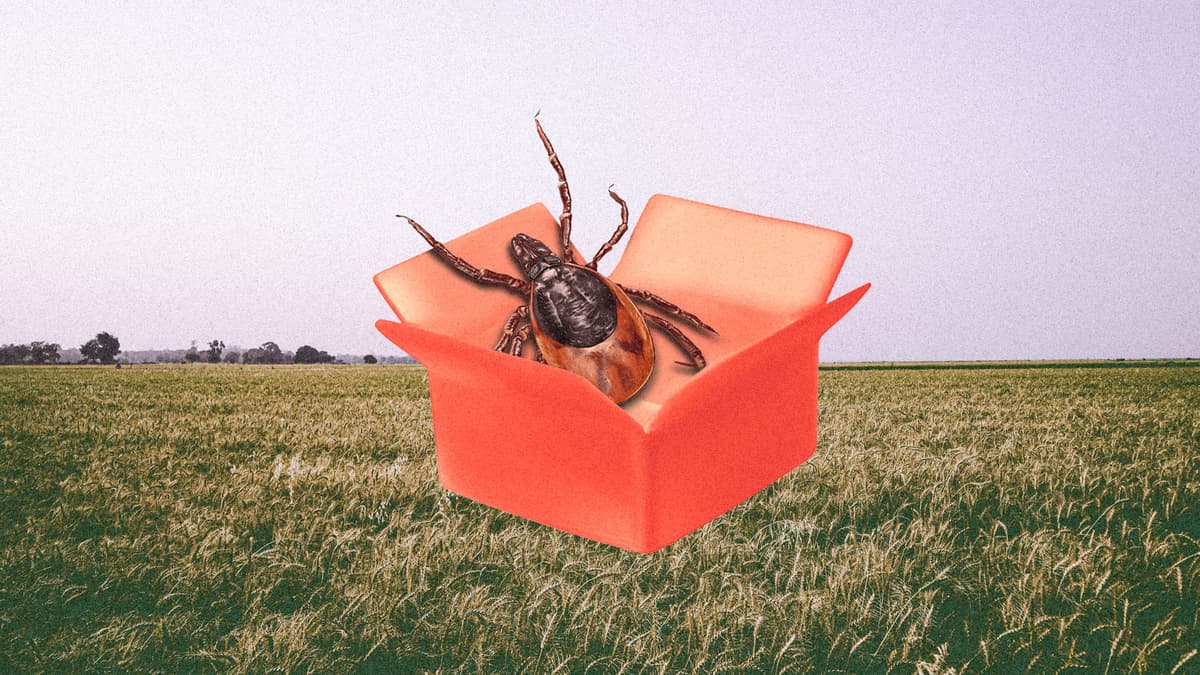
As tick bites surge, conspiracy theories follow
Comments
Want to join the conversation?
Loading comments...