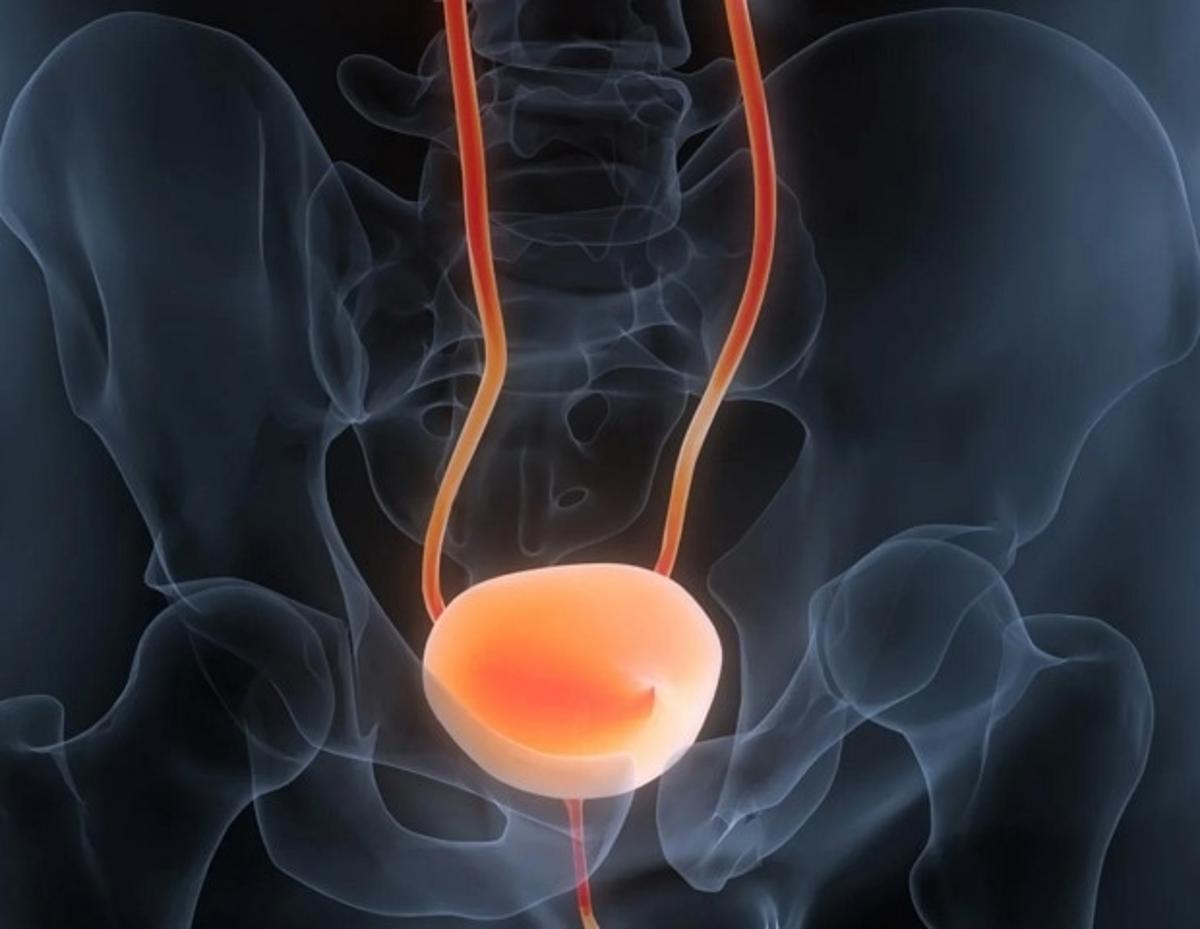
Aspirin Use May Help Unmask Early Asymptomatic Bladder Cancer
Why It Matters
Early detection of bladder cancer dramatically improves survival and reduces treatment costs, and aspirin‑related hematuria could serve as an inadvertent diagnostic cue. The findings also add nuance to the debate over aspirin’s role in cancer chemoprevention.
Key Takeaways
- •Aspirin initiators had higher cystoscopy rates than never‑users.
- •Detected bladder cancers in aspirin users were less invasive.
- •NSAID users showed more cystoscopies but no stage advantage.
- •Urinary bleeding from aspirin may flag hidden bladder tumors.
- •Study suggests potential diagnostic benefit, not proven prevention.
Pulse Analysis
Bladder cancer remains one of the most costly urologic malignancies, with five‑year survival dropping sharply once the disease invades muscle tissue. Early detection through cystoscopy can catch tumors before they progress, but most cases are diagnosed after patients present with visible hematuria. Aspirin’s antiplatelet action, while beneficial for cardiovascular health, can cause microscopic bleeding in the urinary tract, inadvertently signaling clinicians to investigate further. This physiological side effect creates a unique opportunity to identify otherwise silent tumors at a stage when curative treatment is more feasible.
The recent analysis published in the Journal of Internal Medicine leveraged Denmark’s nationwide health registries, tracking over 200,000 adults who began either aspirin or non‑aspirin NSAIDs between 2005 and 2023. Researchers observed that aspirin initiators underwent substantially more cystoscopies than never‑users, and the cancers uncovered were disproportionately early‑stage. In contrast, NSAID initiators also received more cystoscopies, yet they exhibited lower overall cancer prevalence and no shift toward earlier stages, suggesting that the diagnostic yield was specific to aspirin’s bleeding propensity rather than a general surveillance effect.
These findings could reshape clinical pathways by encouraging physicians to treat unexplained hematuria in aspirin users as a red flag rather than dismissing it as a benign side effect. While the study does not prove that aspirin prevents bladder cancer, it highlights a diagnostic advantage that may justify targeted screening protocols. Future prospective trials should assess whether systematic cystoscopic evaluation of aspirin‑related urinary bleeding improves outcomes and cost‑effectiveness, potentially influencing guideline recommendations for at‑risk populations.
Aspirin use may help unmask early asymptomatic bladder cancer
Comments
Want to join the conversation?
Loading comments...