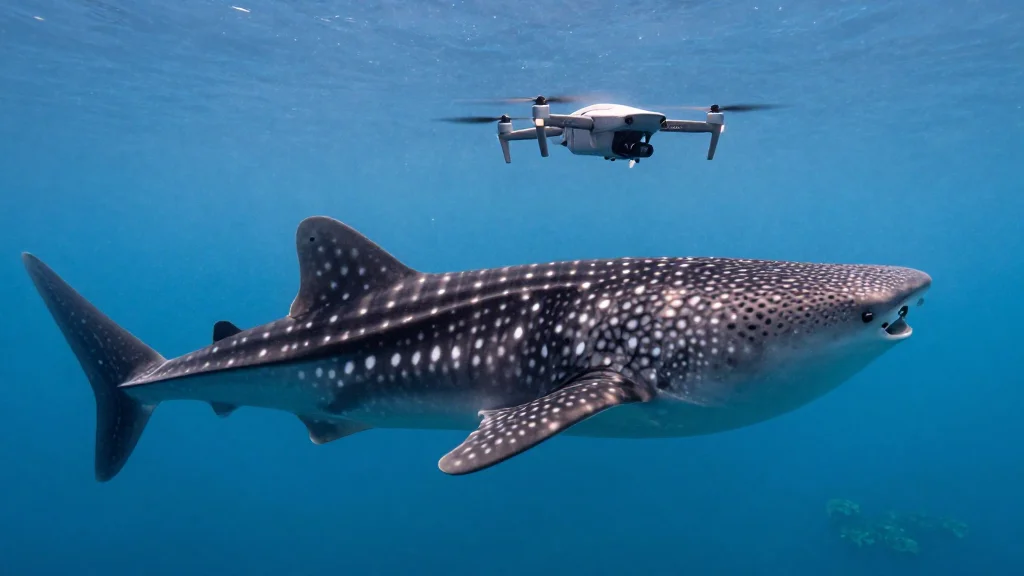
Assessing the Impact of Drones on Whale Sharks
Why It Matters
The results give marine scientists confidence to deploy drones for large‑species monitoring without compromising animal welfare, potentially accelerating data collection and conservation efforts. Regulators and NGOs can reference the study when shaping drone‑use guidelines for marine environments.
Key Takeaways
- •Drones flown 10‑60 m did not alter whale shark swimming patterns
- •Study used biotelemetry tags on 13 sharks at Ningaloo Reef
- •Findings support drones as minimally invasive tool for large marine fauna
- •Regulators require 60 m separation; study suggests this buffer is sufficient
Pulse Analysis
The rise of unmanned aerial systems has transformed marine research, offering high‑resolution visual data while reducing the need for vessels and divers. Yet, concerns linger that the noise and visual presence of drones could stress sensitive species. By attaching motion‑sensing tags to whale sharks, the Murdoch University team captured objective metrics—stroke frequency, dive depth, and tail beat amplitude—providing a quantitative baseline that surpasses traditional observational studies.
The biotelemetry approach revealed that, across a range of flight heights (10‑60 m), the sharks’ locomotor patterns remained statistically unchanged. This evidence aligns with Western Australia’s legal framework, which mandates a 60‑metre buffer between drones and protected wildlife. The study therefore validates existing regulations while offering a data‑driven justification for maintaining—or even modestly relaxing—flight altitudes when targeting similarly sized, low‑sensitivity species. Researchers can now design drone surveys with confidence, knowing that the operational footprint is unlikely to skew behavioral data.
While whale sharks appear tolerant, the authors caution that other reef inhabitants—seabirds, turtles, dolphins, and cetaceans—have demonstrated higher sensitivity to aerial disturbances. Future work should expand biotelemetry to capture physiological markers such as heart rate or cortisol levels, especially during feeding events. As the marine conservation community embraces drones for population assessments, this study underscores the need for species‑specific protocols that balance scientific gain with ethical stewardship.
Assessing the impact of drones on whale sharks
Comments
Want to join the conversation?
Loading comments...