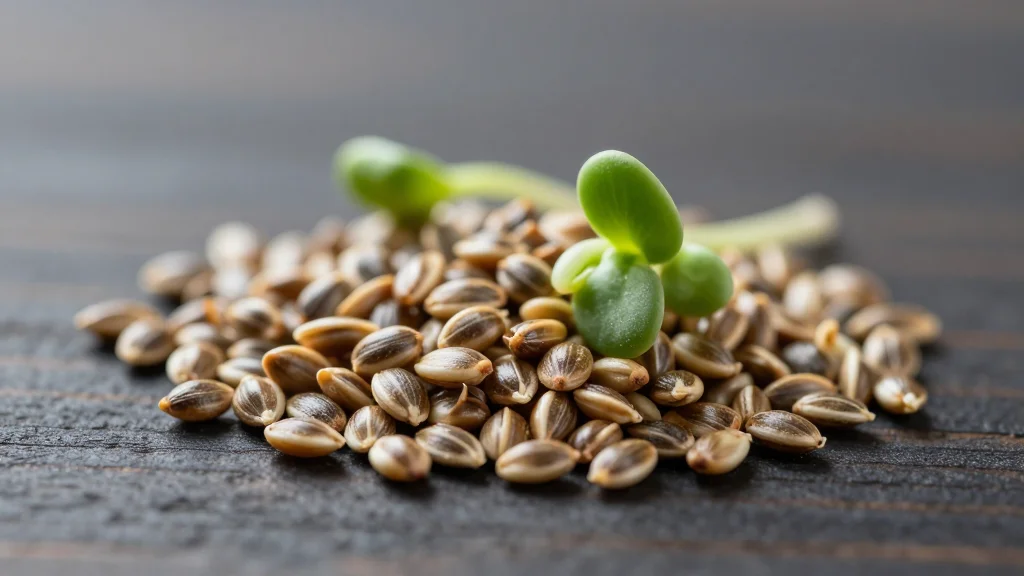
Assessment of Nutritional and Functional Profile of Whole, Hulled and Germinated Hemp (Cannabis Sativa L.) Seeds
Why It Matters
Processing choices directly affect hemp seed’s protein density, energy value and bioactive compounds, informing manufacturers of optimal formats for plant‑based protein and functional food products.
Key Takeaways
- •Dehulling raises protein to 33.8% and fat to 48.1%.
- •Dehulled seeds' metabolizable energy reaches 23.4 MJ/kg.
- •Germination boosts fiber to 30.7% while cutting fat.
- •Phytic acid and tannins drop after hull removal.
- •Hemp seeds contain high ω‑3s and tocopherols for heart health.
Pulse Analysis
The surge in plant‑based protein demand has placed hemp seeds under the spotlight, yet processing methods dramatically reshape their nutritional profile. Dehulling strips away the fibrous hull, concentrating the kernel’s protein and oil. The study shows protein climbing from 25.1 g / 100 g in whole seeds to 33.8 g / 100 g after dehulling, while fat surges to 48 % and metabolizable energy jumps to 23.4 MJ kg⁻¹. For food manufacturers, this translates into a denser, more calorically rich ingredient that can replace animal proteins in bars, shakes and meat analogues without inflating volume.
Beyond macronutrients, hemp’s amino‑acid composition and digestibility are critical for its credibility as a complete protein source. Using in‑vitro digestibility‑corrected amino‑acid scores, the dehulled seeds achieved high essential‑amino‑acid indices, rivaling egg protein benchmarks. The protein‑efficiency ratio and predicted biological value further underscore its suitability for athletes and health‑conscious consumers seeking sustainable alternatives. When germinated, hemp seeds exhibit a modest protein rise but a pronounced fiber increase, offering a functional ingredient for gut‑health formulations while delivering lower fat and energy—attributes prized in low‑calorie snack development.
Antinutritional factors such as phytic acid and condensed tannins, which can impede mineral absorption, were markedly reduced by dehulling, mitigating potential drawbacks. Simultaneously, the seeds retained robust antioxidant pools—tocopherols, phenolics and DPPH/ABTS activity—alongside a favorable fatty‑acid profile rich in ω‑3 linolenic acid and a low n‑6/n‑3 ratio. These health‑promoting attributes position hemp seed derivatives as premium functional foods, supporting cardiovascular health and oxidative stability in processed products. Companies that leverage dehulled or germinated hemp can thus market nutritionally optimized, clean‑label ingredients that align with current consumer trends toward plant‑derived wellness solutions.
Assessment of nutritional and functional profile of whole, hulled and germinated hemp (Cannabis sativa L.) seeds
Comments
Want to join the conversation?
Loading comments...