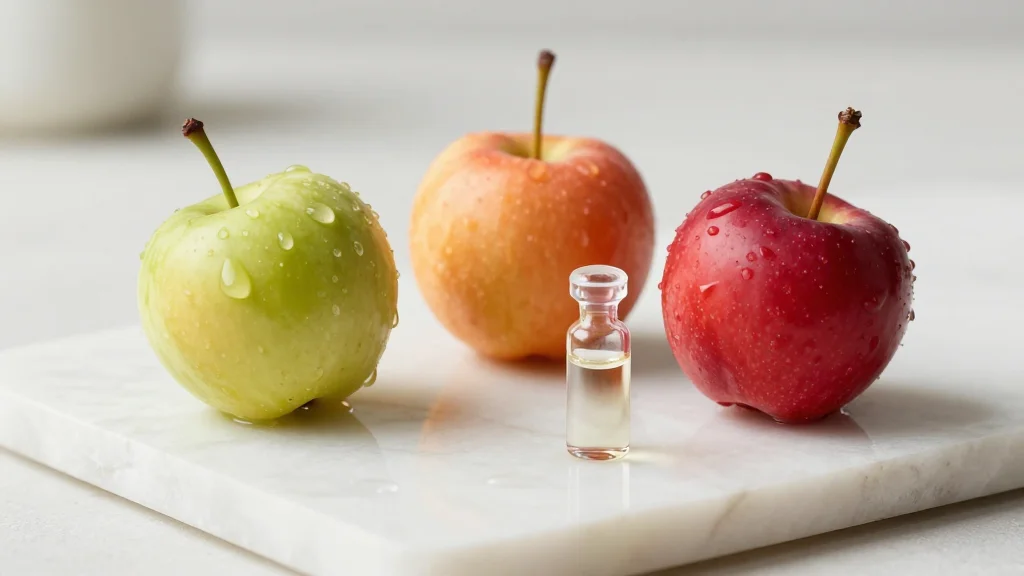
Assessment of Taste Profile Dynamics During Crabapple (Malus Prunifolia (Willd.) Borkh.) Ripening by Metabolomics and Electronic Tongue Analysis
Companies Mentioned
Why It Matters
Understanding the metabolite‑taste relationship enables growers and food manufacturers to optimize harvest timing, improve product consistency, and target bioactive compounds for nutraceutical markets.
Key Takeaways
- •Sweetness increases with fructose, glucose, sucrose, sorbitol, mannitol
- •Sourness declines as ketoglutaric and aconitic acids decrease
- •Flavonoids and triterpenoids drive bitterness and astringency
- •Metabolomic profiles remain stable; primary taste shift is sweet‑sour balance
- •Integrated e‑tongue and metabolomics pinpoint biomarkers for ripeness
Pulse Analysis
The crabapple (Malus prunifolia) has long been prized for its ornamental value and use as a rootstock, yet its fresh‑fruit flavor profile remained largely undocumented. By pairing high‑resolution untargeted metabolomics with an electronic tongue, researchers now have a detailed map of how sugars, organic acids, flavonoids, and triterpenoids evolve during maturation. This dual‑technology approach not only quantifies the sweet‑sour balance that defines consumer acceptance but also isolates the specific metabolites that underpin bitterness and astringency, offering a scientific foundation for breeding programs aimed at flavor optimization.
From a market perspective, the ability to predict ripeness through measurable biochemical markers is a game‑changer. Growers can schedule harvests to capture peak sweetness while minimizing sourness, enhancing the appeal of fresh crabapple for direct consumption and value‑added products such as juices, wines, and functional syrups. Food processors benefit from consistent raw material quality, reducing batch‑to‑batch variability and supporting label claims around natural sweetness and reduced acidity. Moreover, the identified flavonoids and triterpenoids possess documented antioxidant and anti‑inflammatory properties, opening pathways for nutraceutical extraction and premium pricing in health‑focused segments.
Looking ahead, integrating transcriptomic data with the existing metabolomic‑sensory framework could reveal the genetic drivers of flavor compound biosynthesis, accelerating marker‑assisted selection in breeding pipelines. Such insights would allow cultivars to be tailored for specific taste profiles or enhanced functional compound content, aligning with consumer trends toward natural, health‑benefiting foods. As the functional‑food market expands, the detailed flavor‑metabolite linkage established for crabapple positions it as a versatile ingredient for innovative product development and a valuable case study for other under‑utilized fruit species.
Assessment of taste profile dynamics during crabapple (Malus prunifolia (Willd.) Borkh.) ripening by metabolomics and electronic tongue analysis
Comments
Want to join the conversation?
Loading comments...