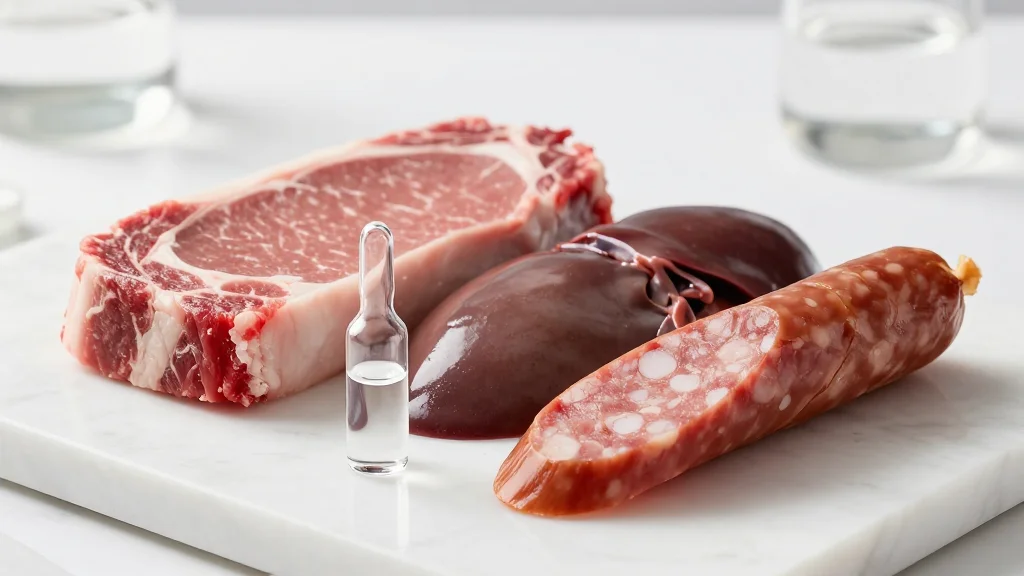
Association Between Meat Consumption and Cancer Mortality in Korean Adults
Companies Mentioned

SAS Institute
Why It Matters
The findings suggest that dietary recommendations for cancer prevention in Asian populations may need to be sex‑specific and consider individual meat categories rather than total meat consumption alone.
Key Takeaways
- •Total meat intake shows no overall cancer mortality effect
- •Men eating more red meat have lower gastric cancer death risk
- •Processed meat raises rectal cancer mortality in men
- •Women consuming organ meat face higher pancreatic and breast cancer deaths
- •Findings highlight need for sex‑specific meat guidelines in Asia
Pulse Analysis
The rapid rise in meat consumption across East Asia has prompted researchers to probe its health consequences beyond the well‑studied Western cohorts. Using data from over 147,000 participants in the Korean Genome and Epidemiology Study, the recent Frontiers in Nutrition paper provides the first comprehensive look at how specific meat subtypes influence cancer mortality in a Korean setting. By linking detailed food‑frequency questionnaires to national death records, the investigators could isolate the effects of red, processed, chicken, and organ meats on a range of organ‑specific cancers, filling a critical gap in Asian nutritional epidemiology.
Results diverge sharply from conventional wisdom derived from Western data. While total meat consumption did not affect overall cancer death rates, men who ate more red meat—predominantly pork—showed a 52% reduction in gastric cancer mortality, a finding that may reflect socioeconomic factors, cooking methods, or Korea’s aggressive gastric‑cancer screening program. Conversely, processed meat consumption was linked to a more than two‑fold increase in rectal cancer deaths among men, echoing concerns about nitrosamines and other carcinogens. For women, higher organ‑meat intake correlated with markedly higher pancreatic and breast cancer mortality, possibly due to the accumulation of heavy metals such as cadmium and arsenic in these tissues, which can be mobilized with age and adiposity changes.
These sex‑specific patterns have practical implications for public‑health policy. Nutrition guidelines in Korea and broader Asia might shift from blanket meat‑reduction messages toward nuanced advice that discourages processed and organ meats, especially for women, while recognizing that moderate red‑meat intake does not necessarily elevate cancer risk in men. Future research should track dietary changes over time, incorporate cooking‑method data, and explore biological markers of exposure to better tailor cancer‑prevention strategies to the diverse dietary landscapes of Asian populations.
Association between meat consumption and cancer mortality in Korean adults
Comments
Want to join the conversation?
Loading comments...