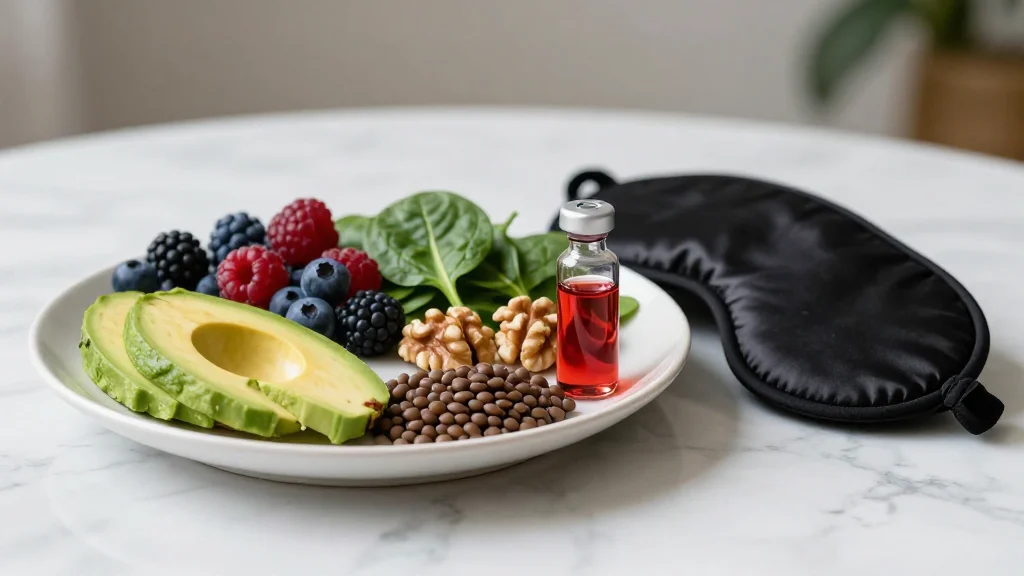
Association of Dietary Phytochemical Index with Sleep Quality, and Inflammatory Markers in Adults with Type 2 Diabetes: A Cross-Sectional Study
Why It Matters
Sleep disturbances exacerbate glycemic control and cardiovascular risk in type 2 diabetes; dietary strategies that improve sleep and lower inflammation could enhance disease management. If confirmed, DPI‑focused nutrition could become a low‑cost adjunct to conventional therapy.
Key Takeaways
- •Higher DPI linked to longer sleep duration
- •Top DPI quartile showed lower CRP levels
- •Sleep efficiency improved with phytochemical‑rich diets
- •Antioxidant markers increased as DPI rose
- •Associations persisted after adjusting for dietary covariates
Pulse Analysis
Sleep quality has emerged as a pivotal factor in the management of type 2 diabetes, influencing insulin sensitivity, blood‑glucose fluctuations, and cardiovascular outcomes. While pharmacologic interventions target glycemic control, lifestyle components such as diet and sleep hygiene offer complementary pathways to mitigate disease progression. Recent epidemiologic work underscores that fragmented or insufficient sleep can amplify inflammatory cascades, creating a feedback loop that worsens metabolic dysfunction. Consequently, clinicians and patients alike are seeking evidence‑based nutritional approaches that simultaneously address sleep and inflammation.
The dietary phytochemical index (DPI) quantifies the proportion of daily calories derived from plant‑based foods rich in bioactive compounds like polyphenols, flavonoids, and carotenoids. These phytochemicals exert anti‑inflammatory and antioxidant effects by modulating NF‑κB signaling, enhancing endothelial function, and supporting gut‑microbiota diversity. In the cross‑sectional study of 675 Chinese adults with diabetes, those in the top DPI quartile not only enjoyed longer, more efficient sleep but also displayed substantially reduced CRP, IL‑6, and TNF‑α concentrations. Objective measurements from the SenseWear armband corroborated subjective improvements captured by the PSQI, indicating that the diet‑sleep link extends beyond perception to measurable physiological change.
If future randomized trials confirm these associations, DPI‑guided dietary counseling could become a practical, low‑cost adjunct to standard diabetes care. Nutritionists might prioritize whole fruits, vegetables, legumes, nuts, and minimally processed grains to boost phytochemical intake, while also advising on sleep hygiene practices such as consistent bedtimes and reduced evening screen exposure. Integrating DPI targets with existing dietary frameworks—like the Mediterranean or DASH patterns—could amplify benefits, potentially lowering medication reliance and improving quality of life for millions of Americans living with type 2 diabetes.
Association of dietary phytochemical index with sleep quality, and inflammatory markers in adults with type 2 diabetes: a cross-sectional study
Comments
Want to join the conversation?
Loading comments...