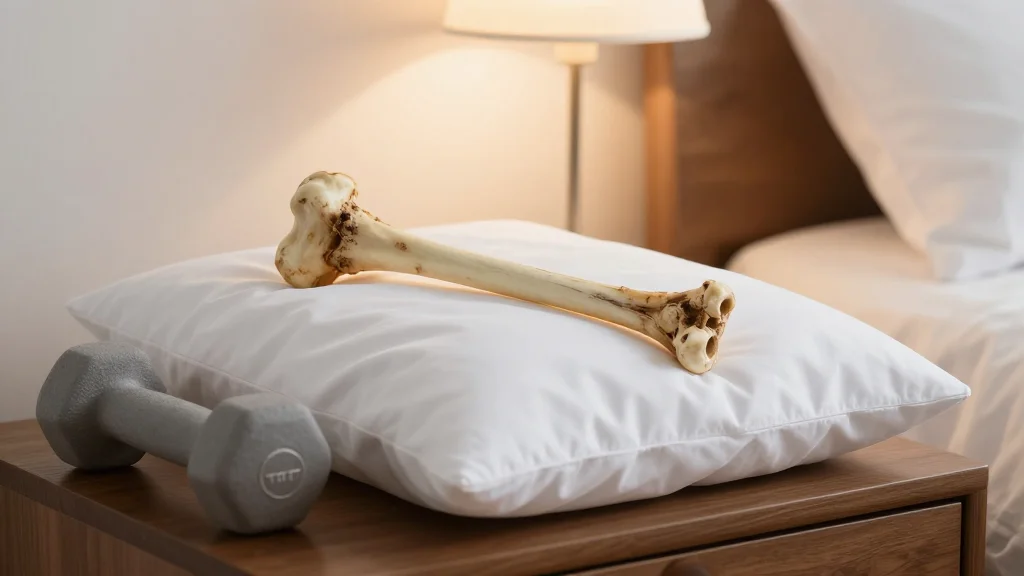
Association of Sleep Duration with Osteoporosis Prevalence in U.S. Postmenopausal Women (NHANES 2007-2018): Moderating Role of Physical Activity
Why It Matters
The findings highlight modifiable lifestyle factors—sleep and exercise—that can influence osteoporosis risk, offering clinicians new angles for prevention strategies in postmenopausal women.
Key Takeaways
- •Short and long sleep increase osteoporosis odds in postmenopausal women
- •U-shaped relationship centers around ~7.2 hours of sleep
- •High physical activity lowers overall osteoporosis risk
- •Abnormal sleep impacts bone health more among active women
- •Joint moderate sleep and high activity yields lowest osteoporosis odds
Pulse Analysis
Osteoporosis remains a leading cause of fractures among postmenopausal women, driving substantial health‑care costs and reduced quality of life. While calcium intake and hormone therapy have long been emphasized, emerging research points to sleep as a hidden determinant of bone metabolism. Disrupted circadian rhythms can alter hormone secretion, inflammation, and calcium balance, creating a plausible pathway linking sleep duration to skeletal strength. Understanding these connections is crucial as the aging U.S. population seeks holistic, non‑pharmacologic approaches to preserve bone health.
The recent NHANES 2007‑2018 cross‑sectional study leveraged nationally representative data to explore this link. Using weighted logistic regression and restricted cubic spline modeling, researchers identified a clear U‑shaped curve: women sleeping less than seven hours faced a 64% higher odds of osteoporosis, while those exceeding seven hours saw nearly threefold odds. The statistical inflection point hovered around 7.16 hours, suggesting an optimal sleep window for bone preservation. Importantly, the analysis accounted for confounders such as age, BMI, diet, and comorbidities, reinforcing the robustness of the association.
Perhaps most actionable is the interplay between sleep and physical activity. High‑intensity exercise independently cut osteoporosis risk and, paradoxically, intensified the adverse effect of abnormal sleep among active women. This suggests that even fit individuals are vulnerable if their sleep patterns deviate from the moderate range. Clinicians should therefore incorporate sleep assessments into routine osteoporosis screening and counsel patients on achieving 7‑8 hours of quality rest alongside regular weight‑bearing activity. Future longitudinal studies could clarify causality and test whether sleep‑focused interventions lower fracture incidence, potentially reshaping preventive guidelines for millions of postmenopausal Americans.
Association of sleep duration with osteoporosis prevalence in U.S. postmenopausal women (NHANES 2007-2018): moderating role of physical activity
Comments
Want to join the conversation?
Loading comments...