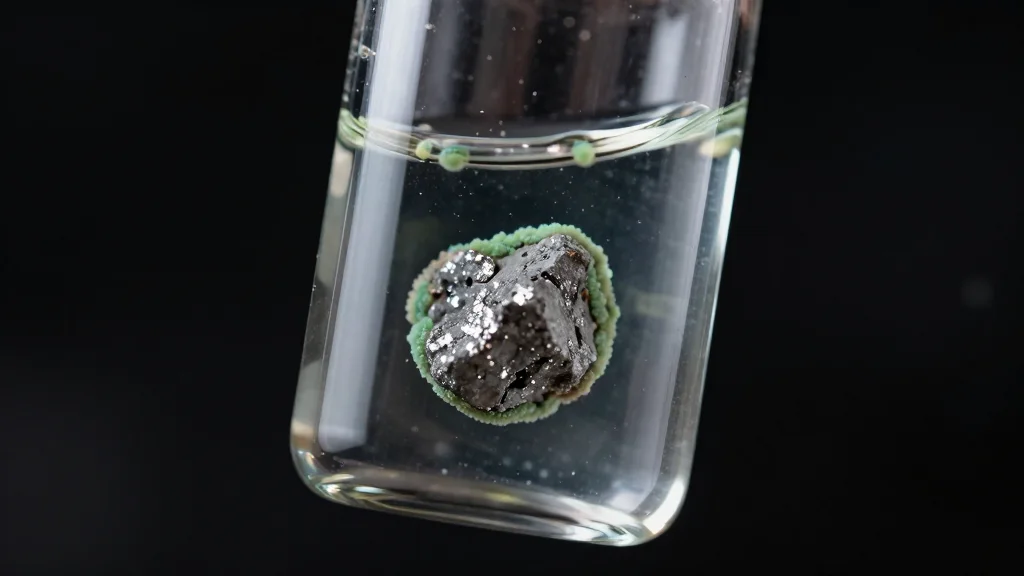
Asteroid-Mining Microbes Extract Metal From Rocks in Space
Why It Matters
Microbial bioleaching could dramatically lower the cost and mass of transporting materials for deep‑space missions, accelerating commercial asteroid mining and off‑world manufacturing. It also offers Earth‑side recycling insights, linking space research to terrestrial sustainability.
Key Takeaways
- •Fungi outperformed bacteria in microgravity bioleaching.
- •Palladium extraction rose 13.6‑fold on ISS versus Earth.
- •Microbes leached platinum‑group metals better than abiotic methods.
- •Byproducts include pharmaceutical compounds and bioplastic precursors.
- •Mixed results suggest combining biological and chemical extraction for optimal yields.
Pulse Analysis
The quest for sustainable space exploration hinges on in‑situ resource utilization, a strategy that turns extraterrestrial material into usable supplies. Traditional mining concepts rely on heavy machinery and chemical leaching, both of which are costly to launch and operate in orbit. By leveraging microbes that naturally produce mineral‑solubilizing acids, researchers can create a self‑replicating, low‑mass extraction system. This biological approach aligns with the broader trend of bio‑manufacturing, where living organisms perform tasks traditionally reserved for industrial processes, offering a scalable solution for long‑duration missions.
In the BioAsteroid experiment, scientists exposed pulverized asteroid samples to the bacterium Sphingomonas desiccabilis and the fungus Penicillium simplicissimum under Earth gravity and microgravity aboard the ISS. The results were striking: fungal cultures consistently extracted higher concentrations of platinum‑group elements, while the bacterium’s palladium yield surged 13.6‑fold in space, surpassing non‑biological controls. However, not all metals responded positively; copper, for instance, leached more efficiently with chemical methods. These nuanced outcomes suggest a hybrid extraction model, pairing microbial leaching for certain high‑value metals with conventional techniques for others, to maximize overall recovery.
Beyond metal recovery, the microbial cultures generated valuable byproducts, including compounds with pharmaceutical relevance and precursors for biodegradable plastics. Such co‑products could support autonomous life‑support systems, reducing reliance on Earth‑supplied supplies. Moreover, the same bioleaching principles can be applied to lunar and Martian regolith, expanding the utility of this technology across the solar system. For terrestrial industries, insights from space‑based biomining may inspire greener recycling processes, turning waste streams into high‑purity resources. As commercial interest in asteroid mining intensifies, microbial solutions could become the cornerstone of a new, eco‑friendly extraction economy.
Asteroid-mining microbes extract metal from rocks in space
Comments
Want to join the conversation?
Loading comments...