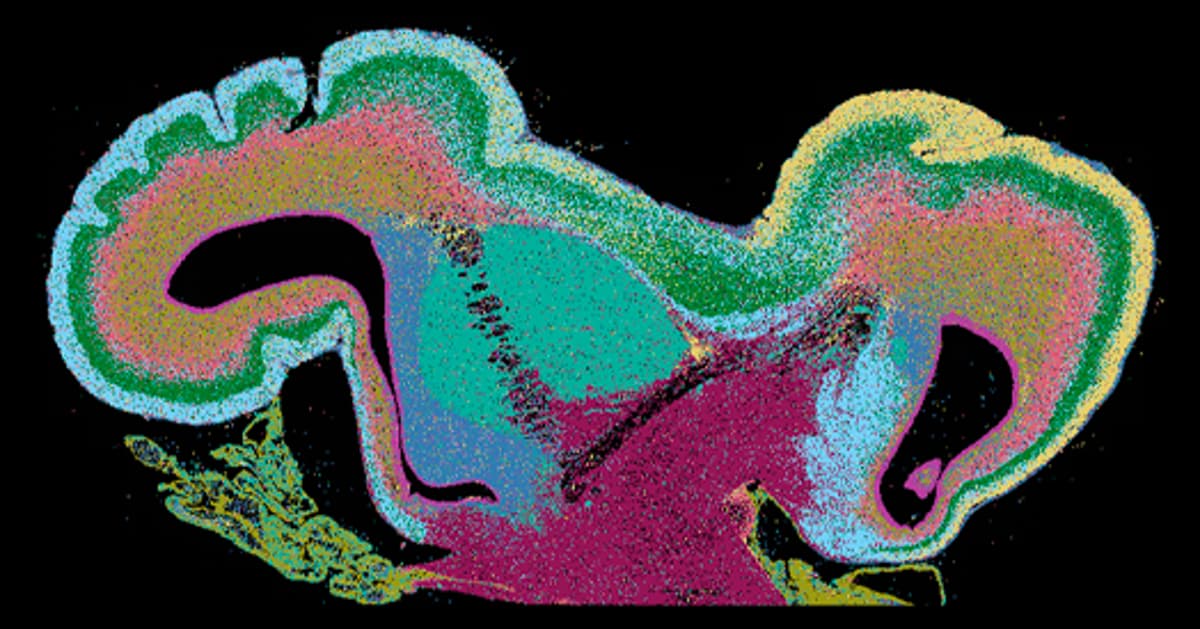
Autism-Linked Genes Expressed in Thalamus Make an Impact, and More
Why It Matters
Clarifying thalamic gene activity and novel molecular pathways opens avenues for targeted autism therapies, while exposing Medicaid abuse underscores urgent regulatory and ethical challenges in service delivery.
Key Takeaways
- •Thalamus expresses majority of autism‑linked genes, per new analysis
- •EPAC2 emerges as a therapeutic target in fragile‑X mouse models
- •ARID1B variant carriers retain resilient memory networks despite pathogenic mutations
- •Retrovirus‑derived RNA‑DNA hybrids trigger microglial pruning in autism models
- •Medicaid reimbursement practices enable profit‑driven autism clinics, sparking policy scrutiny
Pulse Analysis
The thalamus, a central relay hub for sensory and cognitive signals, now appears to be a genetic hotspot for autism. Recent transcriptomic profiling shows that a disproportionate share of autism‑associated genes are active in thalamic neurons, suggesting that disruptions in thalamic circuitry could underlie core social and communication deficits. This insight aligns with emerging models that view autism as a disorder of brain-wide network integration rather than isolated regional anomalies, prompting researchers to prioritize thalamic pathways in drug discovery and biomarker development.
Beyond the thalamus, several preclinical studies are reshaping therapeutic strategies. In fragile‑X mouse models, translatome analysis pinpointed EPAC2 as a modulator of excitatory‑inhibitory balance, offering a druggable node to restore synaptic homeostasis. Meanwhile, carriers of pathogenic ARID1B variants maintain surprisingly robust memory networks, hinting at compensatory mechanisms that could be harnessed therapeutically. Parallel work demonstrates that endogenous retrovirus‑derived RNA‑DNA hybrids provoke excessive microglial pruning, linking viral elements to synaptic loss. Together, these findings broaden the molecular palette—from epigenetic regulators like KDM5B to estrogen‑receptor pathways in Angelman syndrome—providing multiple entry points for precision interventions.
The scientific momentum is tempered by alarming market dynamics. Investigative reporting reveals that some autism clinics exploit Medicaid’s fee‑for‑service structure, scheduling short naps and extended hours to maximize reimbursements while delivering substandard care. Private‑equity firms have accelerated this trend, consolidating providers and prioritizing profit over outcomes, which threatens equitable access for low‑income families. Policymakers and advocacy groups are therefore urged to tighten oversight, enforce evidence‑based standards, and ensure that financial incentives align with the therapeutic needs of children on the spectrum.
Autism-linked genes expressed in thalamus make an impact, and more
Comments
Want to join the conversation?
Loading comments...